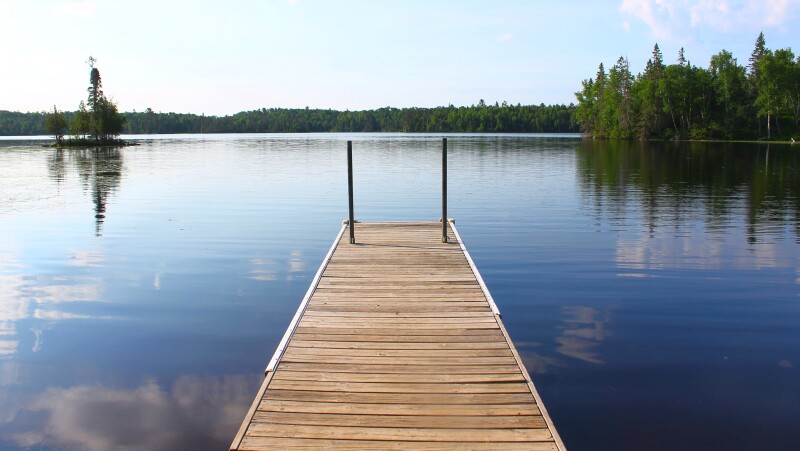
BREAKING: The Minnesota Department of Natural Resources (DNR) has just approved a controversial plan allowing Franconia Minerals to drill for minerals near the pristine Boundary Waters Canoe Area Wilderness (BWCAW). This urgent decision comes as environmental advocates express deep concerns over potential risks to the area’s delicate ecosystem.
Under the approved plan, Franconia Minerals, a subsidiary of Twin Metals Minnesota, is set to explore at 19 locations both north and south of Birch Lake. The company aims to establish an underground copper-nickel mine and processing facility several miles northeast, raising alarms among conservationists about its proximity to the Kawishiwi River, which feeds into the BWCAW.
The advocacy group Friends of the Boundary Waters has been vocal against the DNR’s decision, urging the agency to reject the exploration plans due to environmental risks. In a letter dated December 29, DNR’s Division of Land and Minerals director, Joseph Henderson, informed the group that the agency would approve the exploration with additional conditions aimed at protecting the environment.
In a strong response, Chris Knopf, executive director of Friends of the Boundary Waters, stated, “At a time when the Boundary Waters faces enormous threats from the Trump administration in Washington, D.C., Governor Walz’s DNR capitulated to foreign mining interests by approving exploratory drilling at the edge of the wilderness.” He emphasized that the DNR had the legal authority to deny the permit despite widespread opposition from Minnesotans.
Former Minnesota Governor Mark Dayton had previously denied Twin Metals access to state lands due to serious concerns regarding the risks associated with mining near the BWCAW. He expressed his apprehensions in a letter back in 2016, highlighting the potential dangers to the area’s natural resources.
Current Governor Tim Walz, while expressing concern about the mine, has indicated that he does not believe Dayton’s ban would withstand legal scrutiny. This evolving stance has drawn criticism from environmental groups who view it as a missed opportunity to protect the Boundary Waters.
Twin Metals has defended its actions, stating that exploration is crucial for understanding the mineral deposits in the region. Spokesperson Kathy Graul noted, “Exploration is fundamental to mapping out the characteristics of our mineral deposits, helping the state of Minnesota better understand its resources.”
The situation is further complicated by federal actions. The Biden administration previously aimed to halt the Twin Metals mine by canceling two federal mineral leases and implementing a 20-year mining ban on 225,000 acres of the Superior National Forest, which shares its watershed with the BWCAW. However, the Trump administration has signaled intentions to reverse these actions, potentially reactivating Twin Metals’ leases.
As exploration begins, the implications for the Boundary Waters and surrounding communities are profound. The DNR’s decision highlights a critical battle between economic interests and environmental conservation. The situation remains fluid, and stakeholders on both sides are closely monitoring developments.
WHAT’S NEXT: As the drilling commences, immediate attention will be on the environmental safeguards put in place by the DNR and the community’s response to the exploration activities. The outcome of this situation could shape the future of mining in Minnesota and its impact on cherished natural resources.