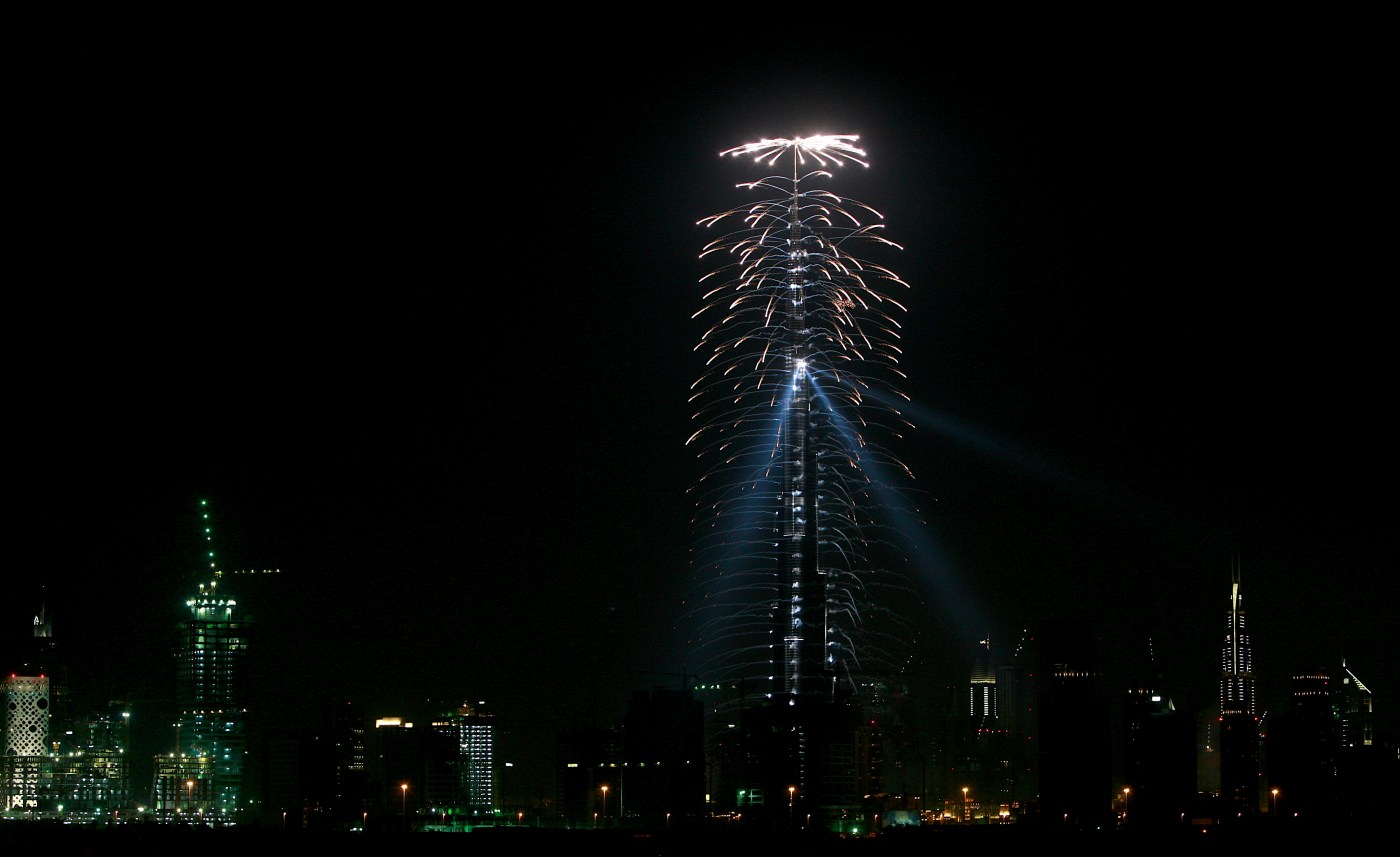
UPDATE: Today marks the 16th anniversary of the iconic Burj Khalifa’s opening in Dubai, United Arab Emirates, a landmark moment that still resonates globally. On January 4, 2010, the Burj Khalifa was unveiled as the tallest structure in the world, standing at an impressive 2,717 feet. This architectural marvel continues to attract millions of visitors each year, symbolizing modern engineering and cultural aspiration.
The Burj Khalifa’s significance extends beyond its height; it has become a beacon of tourism and innovation. As Dubai continually develops, this skyscraper remains a pivotal part of its identity, drawing attention to the rapid urban growth in the Middle East.
But today is not just about the Burj Khalifa. Historical events have also unfolded on this date. On January 4, 1853, former slave Solomon Northup regained his freedom after being kidnapped in Washington, D.C., a story immortalized in his memoir, “Twelve Years a Slave.” This critical moment in history highlights the ongoing conversation about human rights and justice.
In 1896, Utah was admitted as the 45th U.S. state following the end of polygamy by The Church of Jesus Christ of Latter-day Saints. This shift marked a significant turning point in the state’s history and governance.
Fast forward to 1948, when Burma (now Myanmar) celebrated its independence from Great Britain, a moment of pride that sparked a new chapter in its national identity.
The political landscape also shifted dramatically in the U.S. on this date. In 1965, President Lyndon B. Johnson delivered his State of the Union address, unveiling his ambitious “Great Society” initiative aimed at eradicating poverty and racial injustice. Similarly, in 1974, President Richard Nixon faced mounting pressure as he refused to hand over subpoenaed materials regarding the Watergate scandal.
In the realm of global finance, January 4, 1999, marked the inaugural trading day of the euro, which began with a robust performance against the dollar. This new currency signified a major shift in European economic unity, impacting markets worldwide.
The year 2006 brought tragedy when Israeli Prime Minister Ariel Sharon suffered a debilitating stroke, leading to a significant transition in leadership to his deputy, Ehud Olmert. Sharon’s condition stirred global concern and speculation about the future of Israeli politics.
As we reflect on these pivotal moments, it’s essential to consider their lasting impact. The Burj Khalifa stands as a testament to human achievement, while the historical events of January 4 remind us of the struggles and victories that shape our societies today.
Today’s birthdays include notable figures such as actor Dyan Cannon (89), guitarist John McLaughlin (84), and NFL star Derrick Henry (32). Each of these individuals has contributed to their field, leaving a mark on history.
As we continue to celebrate these milestones, the legacy of the Burj Khalifa and the stories of those who fought for freedom and justice remain ever relevant. Stay tuned for more updates as we honor these significant events in history.