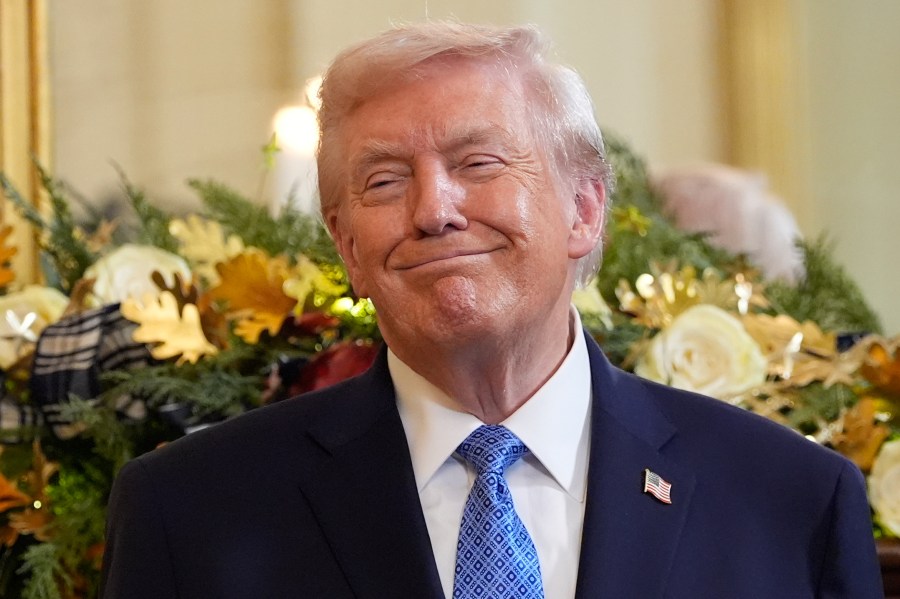
The foreign policy of the Trump administration has come under intense scrutiny for prioritizing national interests over human rights, according to multiple reports. Critics argue that this approach does not contribute to a safer or more prosperous United States, undermining global stability and the nation’s moral standing.
The administration’s policies, particularly in regions like Afghanistan, Syria, and Venezuela, have raised serious concerns among human rights advocates. According to a report by Human Rights Watch, the administration’s withdrawal of support for international human rights initiatives has left vulnerable populations without necessary protections.
Impact on Global Relations
The shift towards an “America First” strategy, emphasized by President Donald Trump during his tenure, has altered the United States’ approach to international relations. This policy has been criticized for its tendency to overlook human rights abuses in favor of economic and political alliances. For instance, Trump’s engagement with regimes in Iran and North Korea has been seen as prioritizing diplomatic relations over raising concerns about human rights violations.
The United Nations has also expressed concerns over the consequences of such policies. In a statement issued on January 20, 2021, the UN Secretary-General highlighted the importance of integrating human rights into foreign policy decisions, warning that neglecting these principles could lead to greater instability and conflict.
Critics argue that the administration’s focus on trade deals and military alliances undermines long-term security goals. For example, the decision to withdraw troops from Afghanistan without a clear strategy for protecting human rights has raised alarms among NGOs working in the region. Activists fear that this could lead to a resurgence of violence and oppression, particularly against women and minority groups.
The Broader Consequences
The implications of sidelining human rights in foreign policy are far-reaching. As the United States faces challenges from authoritarian regimes, its approach may embolden such governments to act with impunity. In Venezuela, for instance, the government’s crackdown on dissent has intensified under the scrutiny of an indifferent international community.
Moreover, critics assert that this policy shift risks alienating traditional allies who prioritize human rights, thereby weakening global coalitions that have historically worked to promote democratic values. The lack of a consistent stance on human rights issues compromises the United States’ ability to lead on the global stage.
The enduring question remains: can a nation claim to be a leader in the world while neglecting fundamental human rights? As global dynamics continue to evolve, the need for a balanced approach that considers both national interests and human rights has never been more crucial.
The discourse around the Trump administration’s foreign policy highlights the ongoing debate over the role of ethics in international relations, one that is likely to shape the incoming administration’s strategies moving forward.