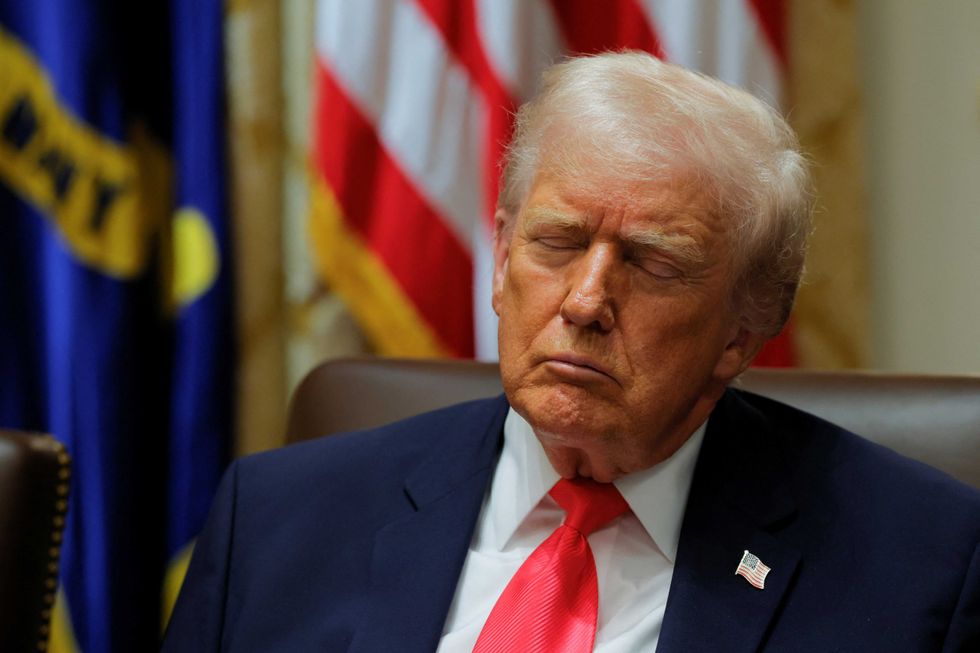
The leadership of Donald Trump has drawn sharp scrutiny as various analysts and commentators highlight the unsettling aspects of his presidency. Observations about Trump’s behavior and political stance suggest he embodies a profound shift in American politics. Critics argue that he not only challenges traditional norms but also reveals deeper societal issues that had long remained obscured.
Psychologist John Gartner characterizes Trump as a “malignant narcissist” whose actions increasingly suggest cognitive decline. Despite this, a substantial portion of the electorate continues to support him. Gartner explains that his followers feel empowered by Trump’s confrontational approach toward perceived enemies. This dynamic resonates with individuals who feel marginalized, as Trump’s rhetoric creates a sense of belonging and validation through shared grievances.
Trump’s leadership style resembles that of authoritarian figures, drawing comparisons to historical figures such as Adolf Hitler. The implications of such a comparison raise questions about the psychological mechanisms at play within his support base. Gartner notes that the appeal lies in the psychological release experienced by his followers when they see someone willing to confront their “shadow enemies.”
Recent statements from Trump have been both controversial and provocative. For instance, he recently criticized Nicolás Maduro, the president of Venezuela, reflecting a broader strategy of targeting other nations. This approach to foreign policy, while not unprecedented, raises ethical questions about the United States’ role in international conflicts.
In a thought-provoking routine, Palestinian-American comedian Sammy Obeid examined the concept of terrorism, defining it as “using violence to achieve a political goal.” This definition could implicate the United States in a historical context of violence, particularly regarding its military actions since the Vietnam War. According to the Costs of War Project at Brown University, over 940,000 people have died as a direct result of U.S. post-9/11 military actions in various countries, including Iraq, Afghanistan, and Syria. Civilians account for more than 412,000 of those deaths, with indirect casualties potentially raising the total to between 4.5 million and 4.7 million.
The discourse around Trump’s presidency forces a confrontation with the realities of American military engagement. Critics argue that his administration’s approach serves to illuminate the darker facets of U.S. foreign policy, which are often glossed over in mainstream narratives. This “darkness,” as articulated by various commentators, invites a critical examination of the systemic justifications for war and violence.
While Trump may not intentionally seek to expose these truths, his unfiltered communications and actions bring certain uncomfortable realities into public discourse. The challenge lies in addressing these issues constructively and seeking avenues for societal evolution. As the political landscape continues to shift, the imperative for self-reflection and growth becomes increasingly pressing.
In his work, journalist Robert Koehler emphasizes the importance of recognizing the interconnectedness of these issues. Koehler, a veteran writer and peace advocate, suggests that the transformation of humanity begins with an honest evaluation of our collective actions and motives. He encourages a shift away from abstraction and justification towards accountability and a commitment to peace.
As the narrative surrounding Trump evolves, it becomes essential to remain vigilant in assessing the implications of his leadership on both domestic and international fronts. The exploration of these themes is vital for understanding the current political climate and its potential trajectory.