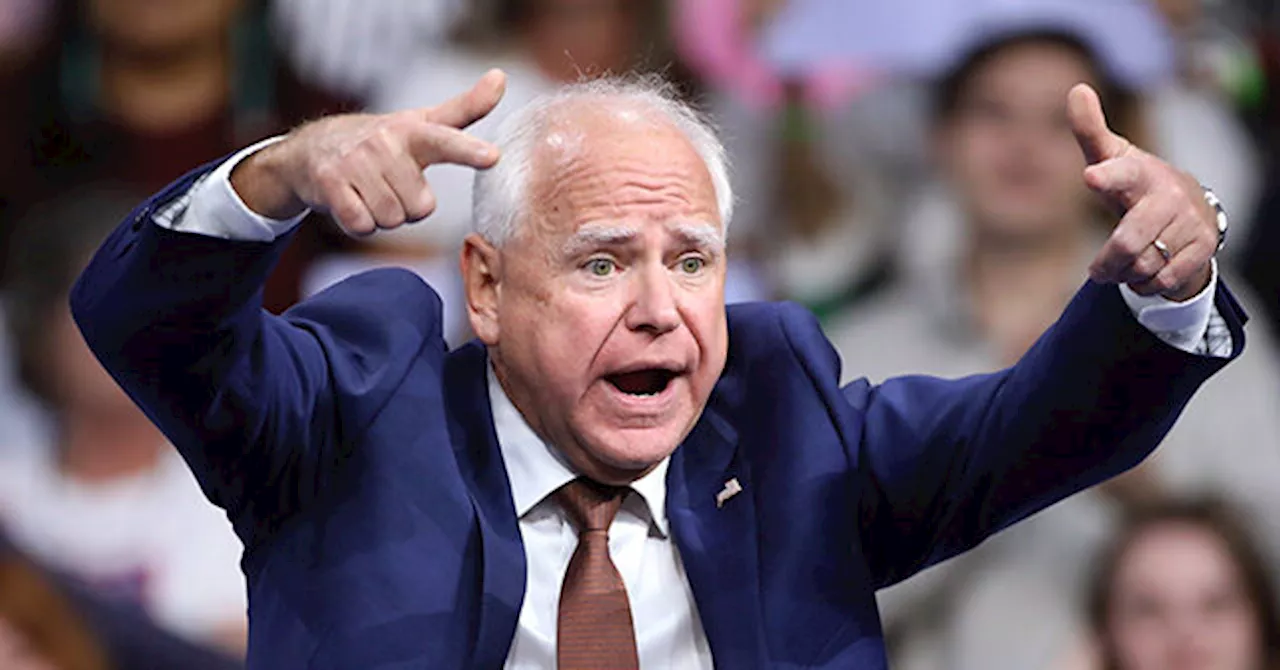
Minnesota Governor Tim Walz has publicly criticized citizen journalist Nick Shirley, labeling him a “delusional conspiracy theorist” after Shirley alleged extensive fraud within the state’s human services. This conflict escalated over the weekend when President Donald Trump shared a video on Truth Social that insinuated Walz was involved in the death of former Minnesota House Speaker Melissa Hortman, who was killed last summer.
In a post on X, Walz condemned the promotion of Shirley by his political opponents, stating, “My opponents have been celebrating this far-right YouTuber as a groundbreaking journalist. Here he reveals who he really is: a delusional conspiracy theorist.” The governor’s remarks come in the wake of Trump’s incendiary claims, which Walz described as “dangerous” and indicative of a troubling trend in political discourse.
Walz’s comments were a response to Trump’s suggestion that Hortman’s assassination was politically motivated due to her support for a bill that would restrict healthcare access for undocumented immigrants. The governor characterized Trump’s allegations as irresponsible and harmful, further stating that they could lead to more violence against innocent individuals. He emphasized, “America is better than this.”
Shirley, who has gained attention for his investigations into alleged fraud involving millions of dollars in public funds, responded to Walz’s comments by questioning the circumstances surrounding Hortman’s death. He stated, “Why was she killed after speaking out against illegal migrants? Was she a threat to you and your fraudster scheme? RIP TO MELISSA HORTMAN.” Shirley’s remarks highlight the contentious atmosphere surrounding the issue of immigration and public funding in Minnesota.
The investigation into Hortman’s assassination revealed that she and her husband, Mark Hortman, were shot at their home by a man impersonating a police officer. On the same night, state Senator John Hoffman and his wife were also targeted but survived the attack. Prosecutors have not yet established a clear motive for the shootings, although reports indicate that the suspect had a list of lawmakers he considered potential targets.
Investigators have described the suspect as a politically motivated individual with conservative views, raising concerns over the potential for politically-motivated violence in the state. Friends of the shooter described him as an evangelical Christian.
Shirley has urged the public to remain vigilant, asserting that asking questions about governmental practices can lead to being labeled a conspiracy theorist. He highlighted ongoing issues, stating, “billions of dollars of fraud are being committed,” and reiterated the need for transparency regarding Hortman’s death.
As this story develops, it underscores the growing tensions in Minnesota’s political landscape and the impact of social media on public discourse. The interplay between accusations, investigations, and political rhetoric continues to shape the narrative surrounding governance and accountability in the state.