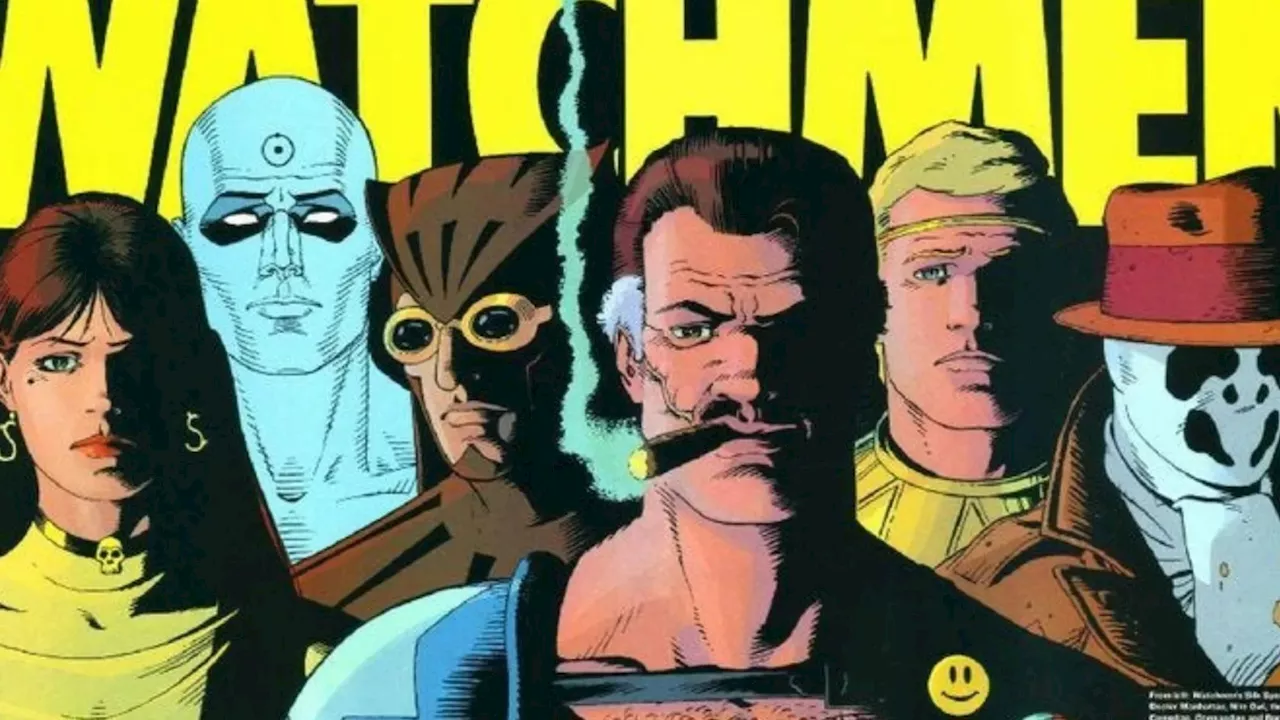
As Watchmen marks its 40th anniversary, a critical examination reveals the lasting influence of this groundbreaking comic on the superhero genre. Created by writer Alan Moore, artist Dave Gibbons, and colorist John Higgins, the series was serialized across twelve issues from 1986 to 1987 before being compiled into a single volume. Recognized as a significant literary work, Watchmen not only deconstructed superhero tropes but also reflected the socio-political anxieties of its era.
At its core, Watchmen serves as a satirical commentary on the Cold War environment, characterized by fears of nuclear annihilation and widespread government distrust. The narrative mirrors real-world events, such as the Watergate scandal and the Vietnam War, embedding its commentary within a superhero framework. This connection to its historical context raises questions about its relevance today. While it remains a well-crafted piece of art, some argue its legacy may be misinterpreted in contemporary culture.
Reassessing Cultural Impact
Despite the comic’s technical brilliance, including its innovative use of the nine-panel grid and visual symbolism, Watchmen is often viewed as a time capsule. Its deliberate pacing and dense narrative can alienate modern readers, especially as societal norms continue to evolve. The perception that the story might be overrated is largely due to its strong ties to the era in which it was created.
The socio-political landscape has transformed significantly since the late 1980s. The grim outlook depicted in Watchmen reflects a time of cynicism and despair; yet, today’s society has navigated through various shifts. The 1990s brought considerable social change, and current issues present a different set of anxieties and cultural narratives. Holding onto the standards set by Watchmen might be akin to clinging to outdated technology.
Lessons Misinterpreted
The central concern surrounding Watchmen lies not with the work itself but with how it has influenced subsequent creators. Its commercial success led to an influx of dark, gritty narratives across the comic industry, where morally ambiguous heroes became the norm. While the exploration of complex characters is essential, many narratives following Watchmen often sought to replicate its shock value rather than delve into genuine examination.
While Watchmen set a high bar for storytelling, the challenge lies in recognizing that other works have emerged, equally deserving of attention and exploration. Comics continue to evolve, pushing boundaries and offering fresh perspectives on heroism and societal issues. To honor its legacy, the industry must not only celebrate Watchmen but also embrace the new narratives that challenge and expand upon its themes.
This anniversary prompts reflection on how Watchmen is perceived in contemporary culture. As creators and readers navigate the complexities of today’s societal landscape, it is vital to recognize the value of diverse narratives that reflect current challenges and ideologies. Celebrating Watchmen should not come at the expense of acknowledging the multitude of stories that continue to shape the comic book medium.