BREAKING: Comic books are stepping in to breathe new life into beloved TV shows, offering fans thrilling continuations just when they thought the stories had ended. This urgent trend is reshaping how audiences engage with their favorite narratives, providing fresh material that fills narrative gaps and explores uncharted territory.
Recent reports highlight several notable examples where comic book adaptations have successfully extended TV series that faced premature cancellation or concluded their stories without resolution. One standout case involves a show set in a fictional Kansas town grappling with the aftermath of nuclear war. Originally aired in 2006, the series was abruptly cancelled after just one season. After a fervent fan campaign, it returned for a second season, only to be cut short again, leaving numerous plotlines unresolved. In 2009 and 2012, IDW Publishing stepped in to deliver two additional comic seasons, wrapping up loose ends and revealing the origins of the nuclear attacks that haunted the characters.
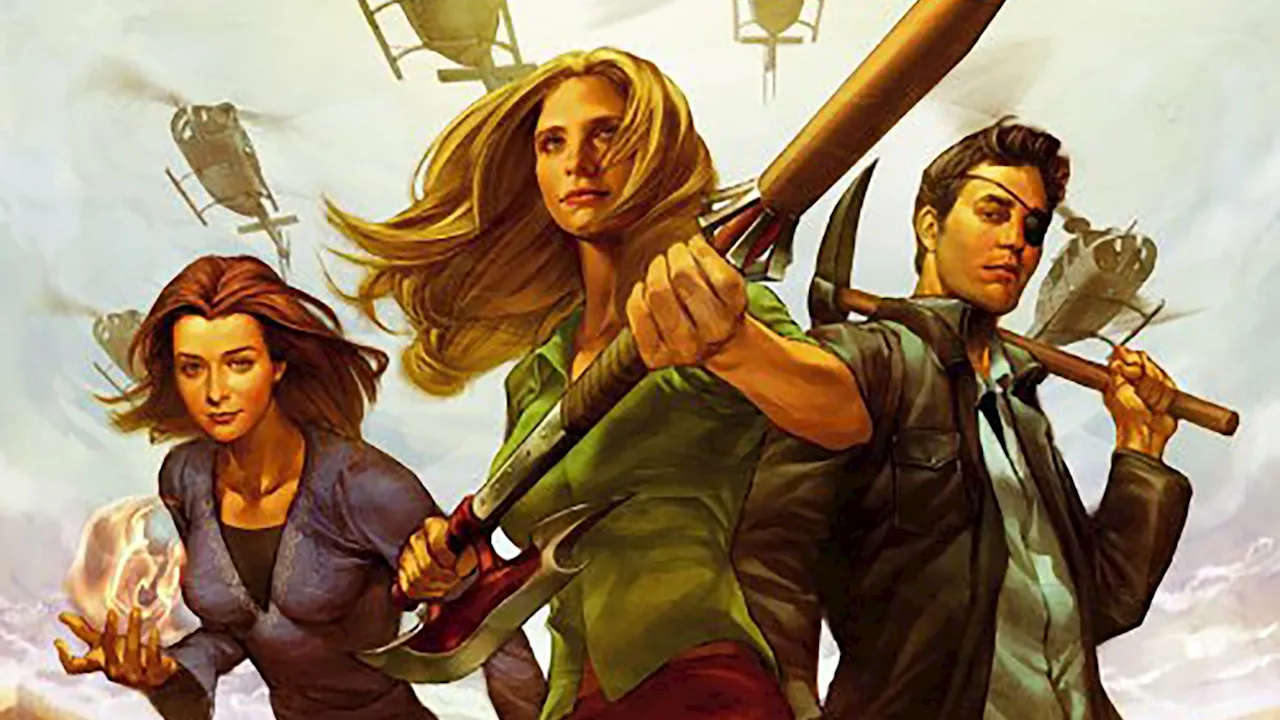
Another fascinating example is the continuation of a series that ended on a cliffhanger, leaving fans frustrated. The comic series, written by Bryan Lynch and plotted with the show’s creator, Joss Whedon, turned into a legitimate canon extension. Initially a 12-issue limited series, it evolved into an ongoing format, ultimately running for 44 issues and delving into darker themes that were unexplored in the original series.
Additionally, a long-running show that wrapped after 10 seasons left fans yearning for a proper Superman reveal for Tom Welling’s Clark Kent. DC Comics responded by publishing a series that maintained continuity with the show, merging characters from the television series with established DC Comics heroes. This creative collaboration allowed fans to witness their favorite characters in action once more, blending the best aspects of both worlds.
These comic continuations are not just simple adaptations; they provide a platform for original creators like Paul Dini and Alan Burnett to realize their intended visions, delivering what fans have been longing for. As comic books continue to bridge the gap between television and print, they offer a unique opportunity for storytelling that resonates deeply with audiences.
Fans are encouraged to dive into these compelling continuations that enrich the universes they love. With the entertainment landscape constantly evolving, the intersection of comics and television is proving to be an exciting frontier.
Stay tuned for more updates on this developing trend as creators and publishers explore new ways to keep beloved narratives alive!