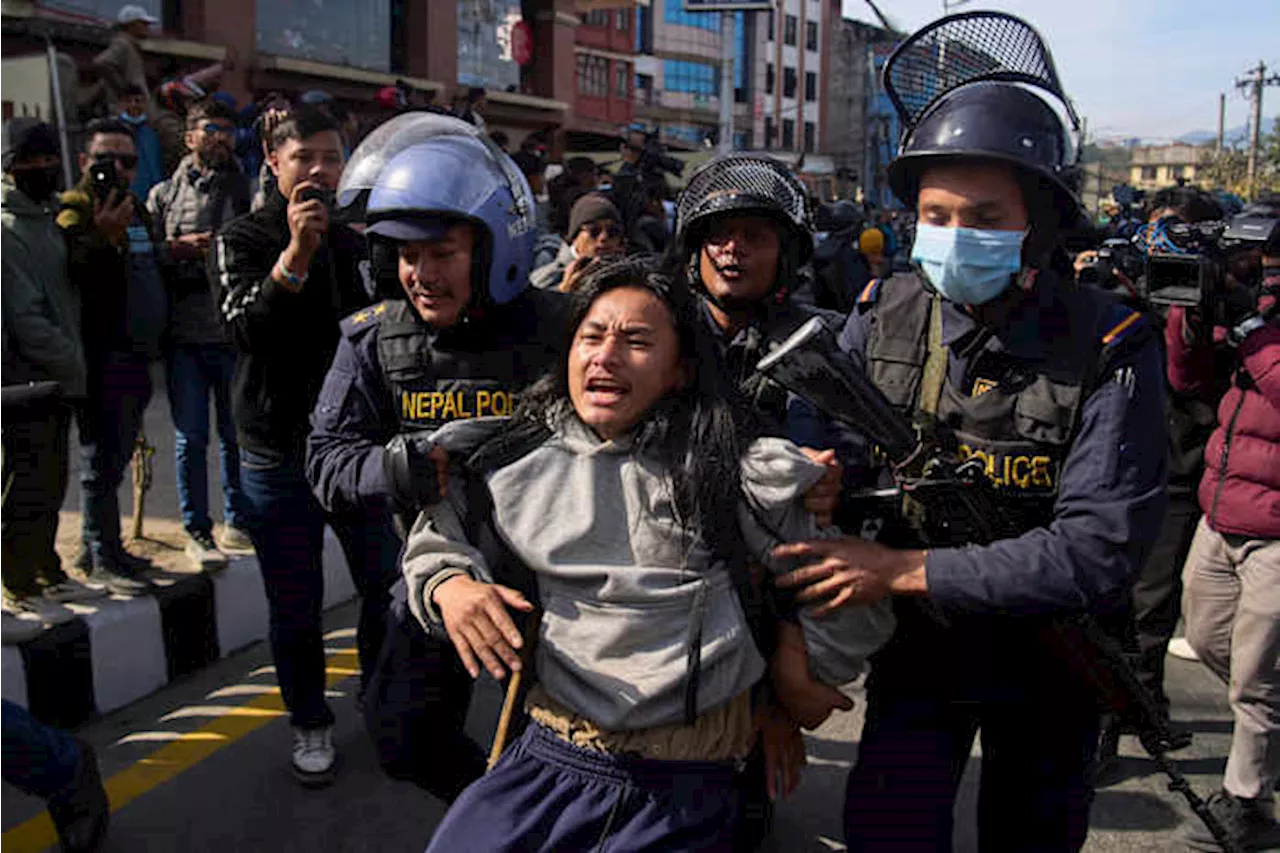
UPDATE: Protests in Nepal are intensifying as citizens express deep disillusionment with the interim government, which has failed to meet promises made after a wave of civil unrest that began in September. The protests, sparked by social media restrictions and rampant corruption, have already resulted in 76 deaths and over 2,300 injuries.
The movement, predominantly led by Gen Z activists, is fueled by a growing frustration over the government’s perceived inaction. Demonstrators have returned to the streets, demanding justice for the victims of violence and accountability from those in power. Mukesh Awasti, a 22-year-old protester who lost his leg after being shot by security forces, has expressed regret over his involvement, citing a lack of substantial change since the protests began.
Protesters had initially taken to the streets to challenge a ban on social media and other issues, leading to clashes with police and significant civil unrest. The interim government, appointed on September 12, pledged to hold parliamentary elections on March 5. However, critics argue that the politicians accused of corruption are still set to participate in these elections, raising concerns over accountability.
Suman Bohara, another protester who now walks with crutches due to injuries sustained during the protests, emphasized the feelings of betrayal felt by many. He stated, “The government has failed to address our grievances and provide meaningful support to those affected by the violence.” This sentiment is echoed by many who feel their sacrifices during the protests have yielded no tangible results.
As the interim leader attempts to navigate this turbulent political landscape, the ongoing unrest underscores a critical juncture for Nepal. The protesters’ demands are becoming increasingly diverse, with calls for direct elections of prime ministers and constitutional revisions gaining traction. However, the lack of cohesive leadership within the movement complicates efforts to forge a unified agenda.
The upcoming elections are seen as a pivotal moment for Nepal, but analysts warn that unresolved tensions and the absence of clear direction among protest groups make the path toward stability far from straightforward. As frustrations mount, the protests serve as a stark reminder of unmet expectations and the ongoing struggle for change.
With emotions running high, demonstrators are determined to keep their voices heard. The calls for justice resonate deeply, as many continue to demand accountability for the actions of the government during the September protests. The atmosphere remains charged as the nation approaches its election date, with many fearing that without significant reforms, the cycle of discontent will only continue.
As Nepal grapples with these challenges, the world watches closely. The situation remains fluid, and further developments are anticipated in the coming days.