The protest movement in Nepal, ignited by concerns over social media restrictions and government corruption, has led to deep disillusionment among participants as they confront the aftermath of their struggle. Despite the protests that began in September 2023 and resulted in strong casualties—specifically, 76 deaths and over 2,300 injuries—the newly appointed interim government has not met the expectations of those demanding accountability and reform. Demonstrations against the government continue, reflecting a growing frustration with its inability to deliver on promises made during the protests.
Protests Sparked by Corruption and Censorship
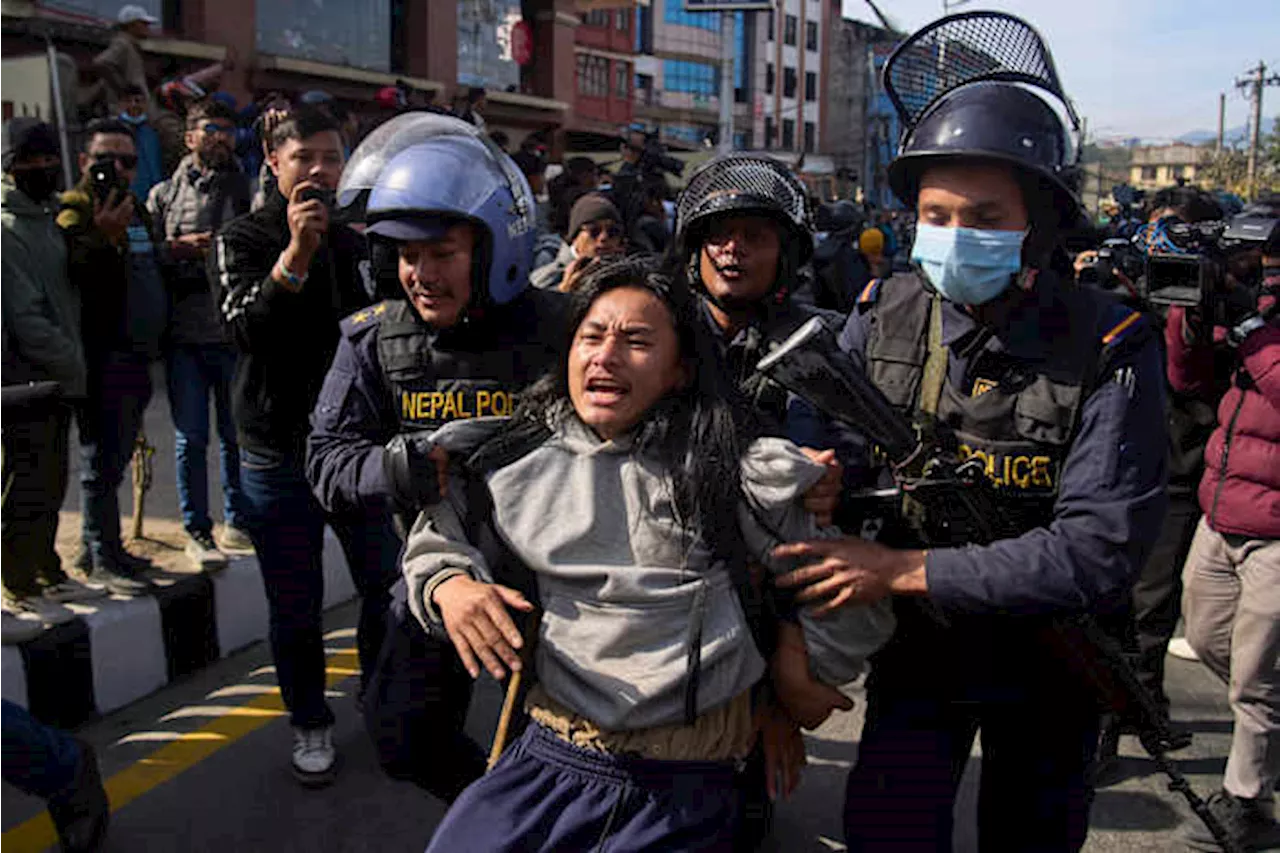
The unrest was initially sparked by a ban on social media and allegations of widespread corruption. Activists, particularly from the Gen Z demographic, took to the streets, engaging in clashes with police and attempting to enter parliament. These protests escalated into significant civil unrest, with demonstrators setting fire to government buildings and residences of prominent political figures. Following the chaos, the army intervened, resulting in the appointment of an interim leader on September 12, 2023, tasked with overseeing upcoming parliamentary elections.
Many protest participants, such as Mukesh Awasti, a 22-year-old who lost his leg due to police gunfire, now express regret over their involvement. Awasti laments the lack of effective change and accountability for the violence, feeling betrayed by a government that seems indifferent to the issues that sparked the protests. This sentiment is echoed by others, including Suman Bohara, who walks with crutches after suffering injuries during the protests. Bohara states that the government’s failure to address grievances has left many feeling abandoned.
Unresolved Issues and Diverse Demands
The political landscape remains complicated as those accused of corruption by protesters prepare to participate in the elections scheduled for March 5, 2024. No legal action has been taken against past leaders who were in power during the protests, further intensifying feelings of injustice among demonstrators. The protesters’ demands have become increasingly varied, with calls for direct elections of prime ministers, constitutional amendments, and imprisonment of former politicians.
The absence of a unified leadership within the movement poses a challenge for both the government and the protesters. Analysts observe that the lack of a cohesive agenda has stymied progress, creating a convoluted environment as the elections approach. While the interim leader has assured that the elections will proceed smoothly, the ongoing unrest and lack of clarity among protesters indicate a tumultuous path ahead.
As demonstrations persist, the protesters remain adamant about seeking justice for victims and their families. Their frustrations are rooted in the government’s perceived failure to fulfill its commitments, particularly concerning corruption and accountability. The evolving demands of the movement highlight the complexity of the situation, as both sides grapple with the aftermath of the unrest.
The situation in Nepal stands at a critical juncture. With elections on the horizon, the unresolved tensions and deep-rooted issues suggest that achieving stability and meaningful progress will be far from straightforward. The ongoing protests serve as a testament to the unmet expectations of many citizens and a reaffirmation of the struggle for accountability and justice in Nepal.