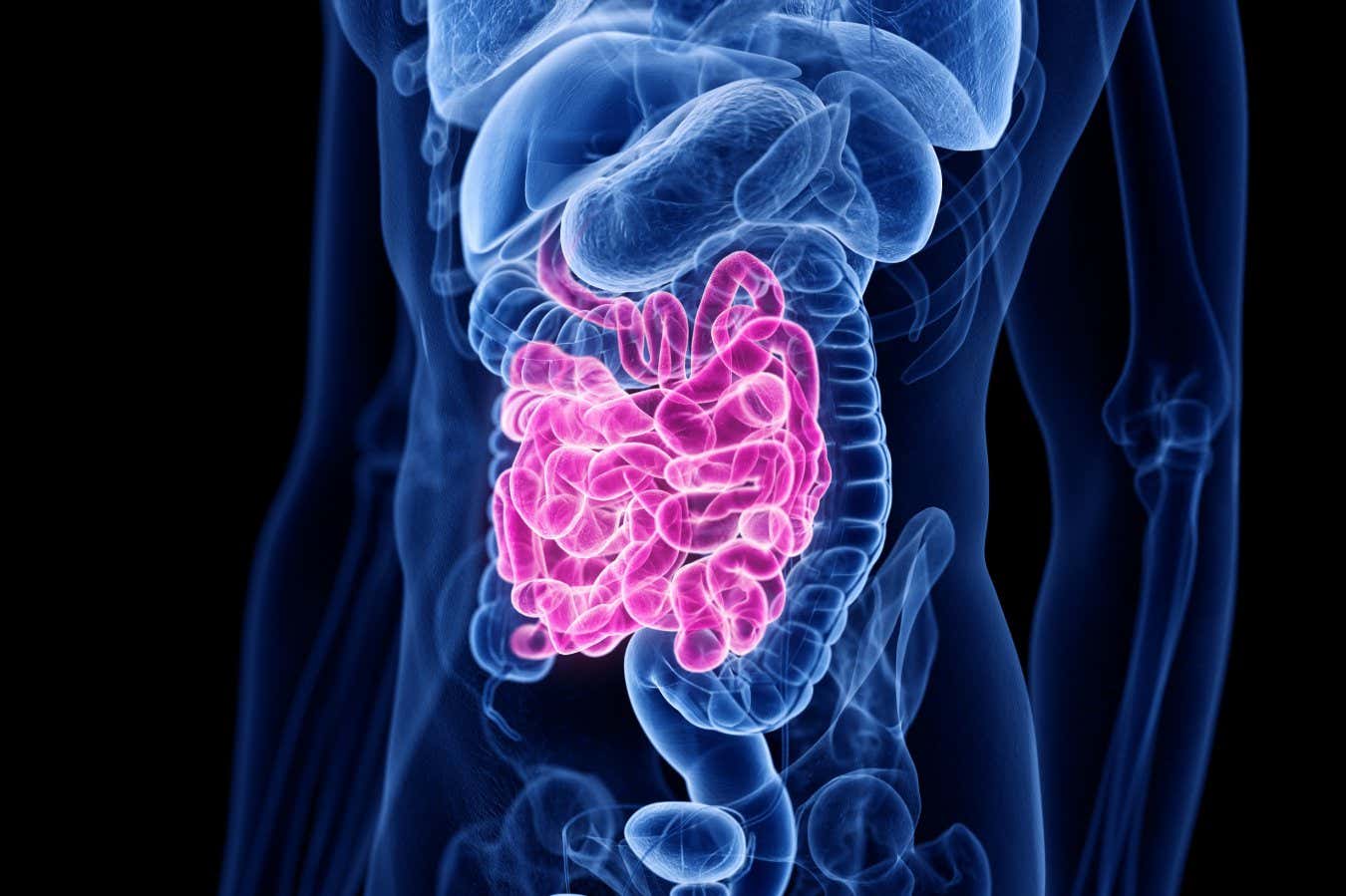
Researchers have made significant strides in reversing age-related decline in intestinal function using CAR T-cell therapy. In a groundbreaking study, scientists at Cold Spring Harbor Laboratory in New York have demonstrated that genetically engineered immune cells can restore the regenerative capacity of the gut lining in older mice. This innovative approach could pave the way for new treatments targeting age-related gastrointestinal issues.
As people age, the cells lining the intestine gradually lose their ability to renew themselves. This decline is crucial for maintaining immune health, as the integrity of the gut barrier plays a vital role in overall well-being. Semir Beyaz, a lead researcher in the study, explained that the gut’s inner lining typically renews itself every three to five days. However, with age, there is a deficit in the fitness of the stem cells responsible for this renewal.
The research team targeted senescent cells—those that have lost their ability to divide yet remain metabolically active. These cells accumulate with age and release chemicals that promote inflammation and accelerate further aging. By focusing on a protein called uPAR, which is enriched on the surface of these senescent cells, the scientists engineered CAR T-cells to remove them from the intestinal lining.
Corina Amor, a fellow researcher, observed that after the CAR T-cells were injected back into older mice, the activity and number of stem cells in the gut increased significantly. The results indicated that the gut tissue began to function similarly to that of younger mice, showing improvements in gut barrier integrity and reduced inflammation.
“This approach didn’t just stop the aging process; we observed a reversal where the tissue behaved like that of younger mice,” Amor stated. This finding holds promise for reducing susceptibility to various diseases, including intestinal infections and even cancer, according to Tuomas Tammela, a researcher at Memorial Sloan Kettering Cancer Center who was not involved in the study.
Despite these promising results, researchers acknowledge the need for further investigation, particularly regarding safety and efficacy in human subjects. Onur Eskiocak emphasized the importance of determining the optimal “dose” of this therapy before it can be trialed in people, as low-level uPAR expression may exist in normal tissues under different conditions.
Concerns have also been raised about potential risks associated with depleting senescent cells, as they can play a role in tumor suppression and wound healing. Jesse Poganik from Harvard Medical School pointed out that the study did not address the effects of removing uPAR-positive cells in other tissues, which could lead to unintended consequences.
The logistical challenges and high costs associated with CAR T-cell therapy further complicate its application for age-related conditions. Joana Neves from King’s College London noted that for preventive treatments, the safety standards are significantly higher than those for oncology.
Despite these hurdles, Beyaz remains optimistic about the potential of this research. He believes that restoring gut function in aging individuals is a crucial area of study, especially as there are currently no effective treatments for maintaining gut barrier health when its regenerative capacity declines. The findings from this study represent a promising step toward addressing age-related degradation in intestinal function and improving quality of life for older adults.