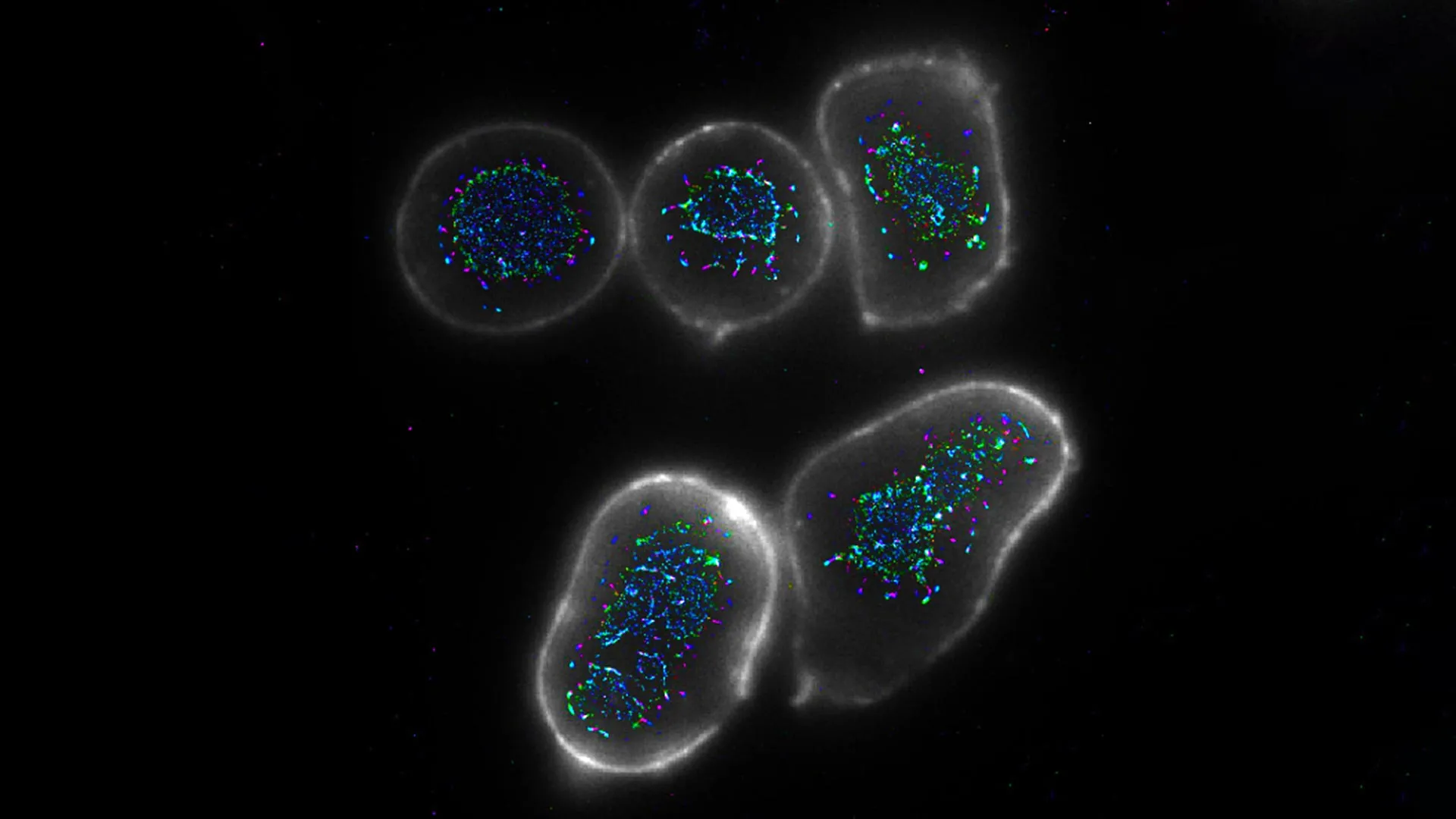
Scientists at the University of Southampton have made a significant breakthrough in cancer treatment by developing a new class of antibodies designed to enhance the immune system’s ability to combat tumors. The research, published on January 9, 2026, in the journal Nature Communications, reveals how these engineered antibodies can amplify signals that activate T cells, which play a crucial role in destroying cancer cells.
The innovative antibodies work by clustering immune receptors that typically receive weak signals from tumors. This clustering process effectively boosts the immune response, allowing T cells to enter a heightened state of attack. The findings suggest that this new approach could pave the way for more effective immunotherapy treatments, enhancing the body’s natural defenses against cancer.
Mechanism Behind Enhanced Immune Response
The research team focused on a specific receptor known as CD27, which is essential for T cell activation. Normally, a matching ligand is required to trigger this receptor, but cancer cells often do not produce the necessary signals. As a result, T cells receive inadequate stimulation and struggle to mount an effective attack against tumors.
The newly developed antibodies are engineered with four binding arms, in contrast to traditional antibodies that have a Y-shaped structure with only two arms. This design allows the new antibodies to bind to multiple receptors simultaneously, significantly amplifying the activation signal that prompts T cells to respond to cancer.
Professor Aymen Al Shamkhani, who led the research, explained, “We already understood how the body’s natural CD27 signal switches on T cells, but turning that knowledge into a medicine was the real challenge. Antibodies are reliable molecules that make excellent drugs. However, the natural antibody format was not powerful enough, so we had to create a more effective version.”
Results and Future Implications
In laboratory tests involving both mouse and human immune cells, the new antibodies demonstrated a remarkable ability to activate CD8+ T cells—often referred to as the special forces of the immune system due to their capacity to directly eliminate cancer cells. The enhanced activation resulted in a stronger anti-tumor response, indicating that this approach could significantly improve cancer therapies.
By making CD27 more accessible for therapeutic targeting, the research opens up new avenues for developing immunotherapies that harness the immune system’s full potential. Professor Al Shamkhani added, “This approach could help improve future cancer treatments by allowing the immune system to work closer to its full potential.”
The study was funded by Cancer Research UK and underscores the pivotal role of the Centre for Cancer Immunology at the University of Southampton in advancing innovative cancer treatment strategies. As researchers continue to explore the capabilities of these new antibodies, the potential for improved patient outcomes in cancer treatment looks promising.