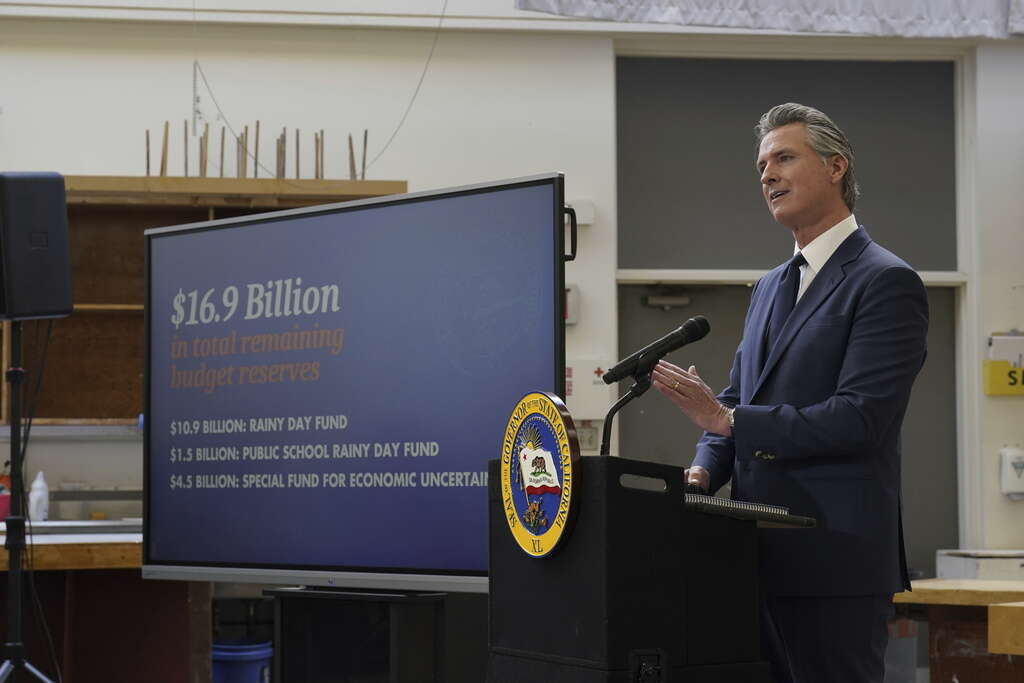
California Governor Gavin Newsom has unveiled his final state budget proposal, which amounts to $248 billion in general fund expenditures. This marks a significant increase from the $144 billion outlined in his first budget proposal in 2019. The governor argues that this spending reflects progress, claiming that millions of Californians are better off due to investments in education, climate initiatives, and health care. Yet, many question whether this increased expenditure translates into tangible benefits for the state’s residents.
In a statement, Newsom highlighted several accomplishments that he believes have improved the quality of life for Californians. He noted that children are no longer going hungry, young people have increased access to higher education, and efforts have been made to address climate change through innovative technologies. Furthermore, he pointed to initiatives aimed at reducing drug costs and expanding tax credits for families and businesses.
Despite these claims, critics point to persistent challenges. According to the Public Policy Institute of California, the state’s poverty rate has risen from 16.4% in 2019 to 16.9% in 2023, even after significant COVID-related spending. The U.S. Census Bureau reported a 2024 poverty rate of 17.7% for California, indicating that nearly 7 million residents live in poverty, which is notably higher than the national average.
Education metrics reveal a concerning trend under Newsom’s leadership. The percentage of K-12 students meeting or exceeding state standards in reading has declined from 51.1% in the 2018-19 school year to 48.82% in the most recent assessments. Similarly, proficiency in mathematics fell from 39.73% to 37.3% during the same period. These figures suggest that increased funding has not necessarily led to improved educational outcomes.
While Newsom promotes initiatives to combat climate change, housing affordability, and homelessness, critics argue that energy prices and housing costs have actually increased during his tenure. Furthermore, California continues to grapple with severe wildfire seasons, raising questions about the effectiveness of the state’s environmental policies.
A recent survey conducted by the Public Policy Institute of California revealed that a majority of residents—55%—prefer lower taxes and fewer government services. In contrast, 44% support higher taxes in exchange for expanded services. This sentiment suggests that many Californians feel that the current level of government spending is not yielding the desired results.
As Newsom prepares to leave office, he acknowledges the challenges ahead. His budget message indicates that while the budget is balanced for the 2026-27 fiscal year with a discretionary reserve of $4.5 billion, a projected deficit of approximately $22 billion looms for the 2027-28 fiscal year, along with anticipated shortfalls in subsequent years.
In conclusion, while Governor Newsom has significantly increased state spending, many Californians remain skeptical about whether this approach effectively addresses the state’s pressing needs. The rising poverty rate, declining educational performance, and persistent economic challenges suggest that simply increasing government expenditure may not be the solution. As he exits the governor’s office, the hope for Californians is to avoid further setbacks during this transition.