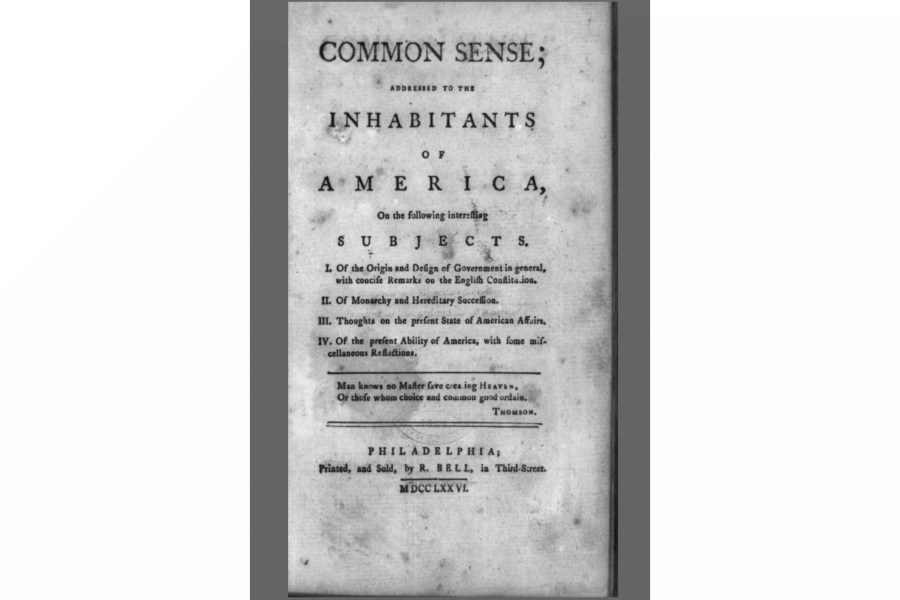
Supporters of Thomas Paine are advocating for a memorial in Washington, D.C., to honor the influential figure whose writings played a critical role in the American Revolutionary War. The proposed memorial, authorized by a law passed in 2022, is currently pending approval from the U.S. Department of Interior. If approved, it would mark a significant tribute to Paine, who is often celebrated for his pamphlet, Common Sense, which galvanized support for independence among the 13 colonies.
The initiative has gained traction among historians, political leaders, and citizens who recognize Paine’s contributions to American democracy. His writings, particularly Common Sense, published in January 1776, challenged the status quo and made a compelling case for self-governance. The pamphlet sold over 500,000 copies at a time when the population of the colonies was less than three million, illustrating its profound impact.
Advocates argue that a memorial would serve not only as a tribute to Paine but also as a reminder of the values he championed: liberty, equality, and the right to question authority. The proposed site for the memorial is in close proximity to the National Mall, a location steeped in American history.
Supporters have organized campaigns to raise awareness and push for the approval process to move forward. “Thomas Paine was instrumental in our fight for independence,” stated Senator Chris Van Hollen, who has publicly endorsed the initiative. “Creating a memorial is a fitting way to acknowledge his legacy and the ideals of freedom he espoused.”
While the proposal has gathered a significant following, it still requires the green light from the Department of Interior. The approval process involves a thorough review, including considerations of the design, location, and funding aspects of the memorial.
As discussions continue, supporters remain optimistic about the outcome. They hope that the memorial will not only honor Paine’s contributions but also inspire future generations to engage with the principles of democracy and civic responsibility that he advocated.
In the context of ongoing debates about history and memorialization in the United States, the push for a Thomas Paine memorial reflects broader conversations about who is remembered and how. As advocates await a decision from federal authorities, the call for recognition of Paine’s contributions persists, underscoring his enduring influence on American thought and governance.
The memorial, if realized, would be a landmark celebration of an individual who helped shape the very foundation of the nation.