The Anchorage Assembly is set to discuss a new sales tax proposal from Mayor Suzanne LaFrance during a public hearing on March 12, 2024. The proposed 3% sales tax comes amid growing economic uncertainty that has raised concerns among local business owners about its potential impact on consumer spending.
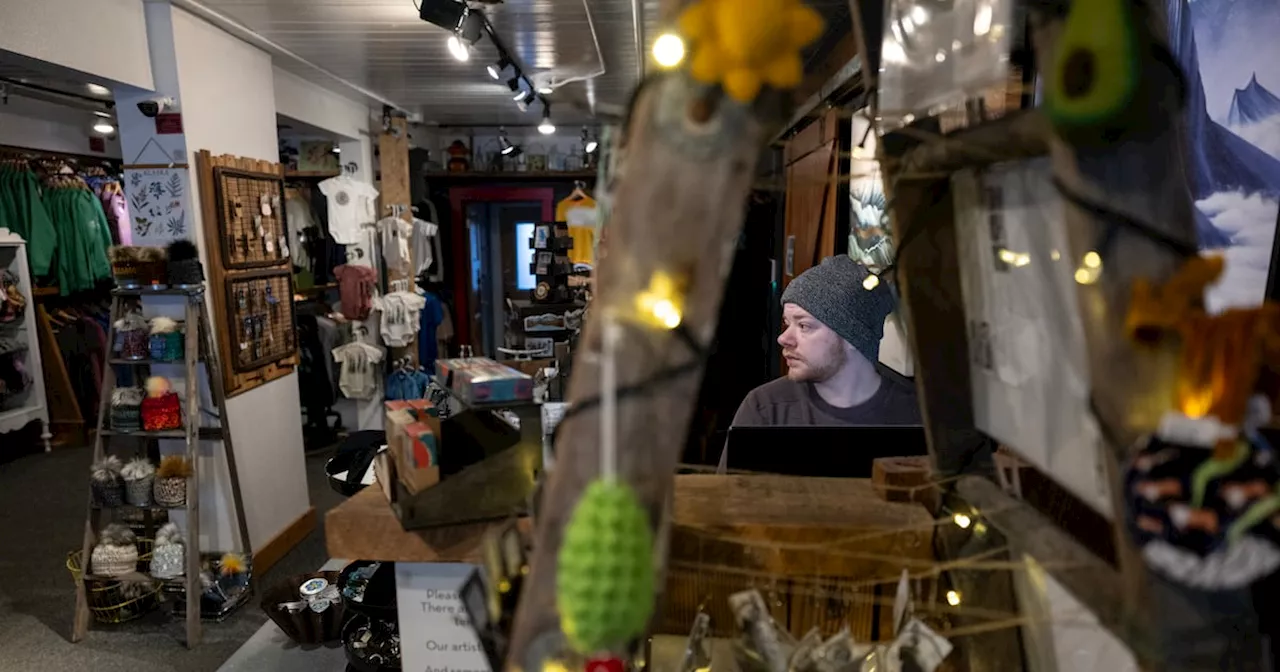
As the Dos Manos Gallery approaches its 20th anniversary, co-owner Stephanie Johnson reflects on both the achievement and the challenges faced in recent months. After experiencing years of growth, Johnson reported a 12% decline in sales by the end of 2025 compared to previous years. She noted that customers are becoming more cautious, often making multiple visits before finalizing gift purchases during the holiday season. “The first place that people cut back on is things that aren’t necessities,” Johnson said.
Many local businesses share similar concerns. The proposed sales tax has sparked debate about its timing, particularly given Anchorage’s current economic landscape. Business owners worry that an additional tax burden could deter already cautious consumers from shopping at local establishments, particularly as many businesses are grappling with rising operational costs.
Impact on Local Businesses
Mayor LaFrance’s proposal has been framed within a broader context of declining state funding, with the city expecting to generate approximately $176 million from the sales tax. This revenue is intended to address a growing infrastructure backlog, provide property tax relief, and create affordable housing and childcare options. The measure must gain Assembly approval before it can be placed on the ballot for voters in April.
Research from the Alaska Small Business Development Center indicates that businesses are increasingly focused on managing rising costs rather than pursuing growth. This shift has been attributed to political uncertainty, which has now emerged as a significant barrier to business operations. Prior to 2025, such concerns had not been highlighted in previous surveys.
The Anchorage Chamber of Commerce recently surveyed its members regarding the sales tax proposal, but the results have not yet been made public. Assembly member Daniel Volland, representing the downtown area, noted a lack of feedback from local businesses compared to previous discussions surrounding a sales tax, which had garnered substantial support from the business community.
Community Perspectives
While some business owners see potential benefits from the revenue generated by the sales tax, others remain skeptical. James Strong, owner of the grab-and-go lunch spot Sweet Caribou, expressed concerns about the rising costs associated with operating his business. He has regularly increased prices to keep pace with inflation and the minimum wage, which he anticipates will continue. Strong fears that the sales tax will lead customers to tip less, further affecting his staff’s income.
Public opinion on the proposal is divided. West Anchorage resident Riley Creed expressed opposition to the tax, stating it adds further financial pressure on families already facing increased living costs. Conversely, Muldoon resident Shawn O’Donnell believes the tax’s exemptions for essential items like groceries and utilities will mitigate its impact on households.
Assembly member Erin Baldwin Day acknowledges the community’s mixed feelings. Many residents recognize the necessity of investing in Anchorage’s future but worry that a sales tax will exacerbate existing financial strains. “Their take is Anchorage really needs to invest in itself in order to continue to be an attractive place for people to do business,” Baldwin Day noted.
As the Anchorage Assembly prepares to deliberate the sales tax proposal, the outcome will significantly shape the city’s economic landscape and the future of its small businesses. The decision is expected to resonate throughout the community as residents and business owners weigh the potential benefits against the immediate financial realities.