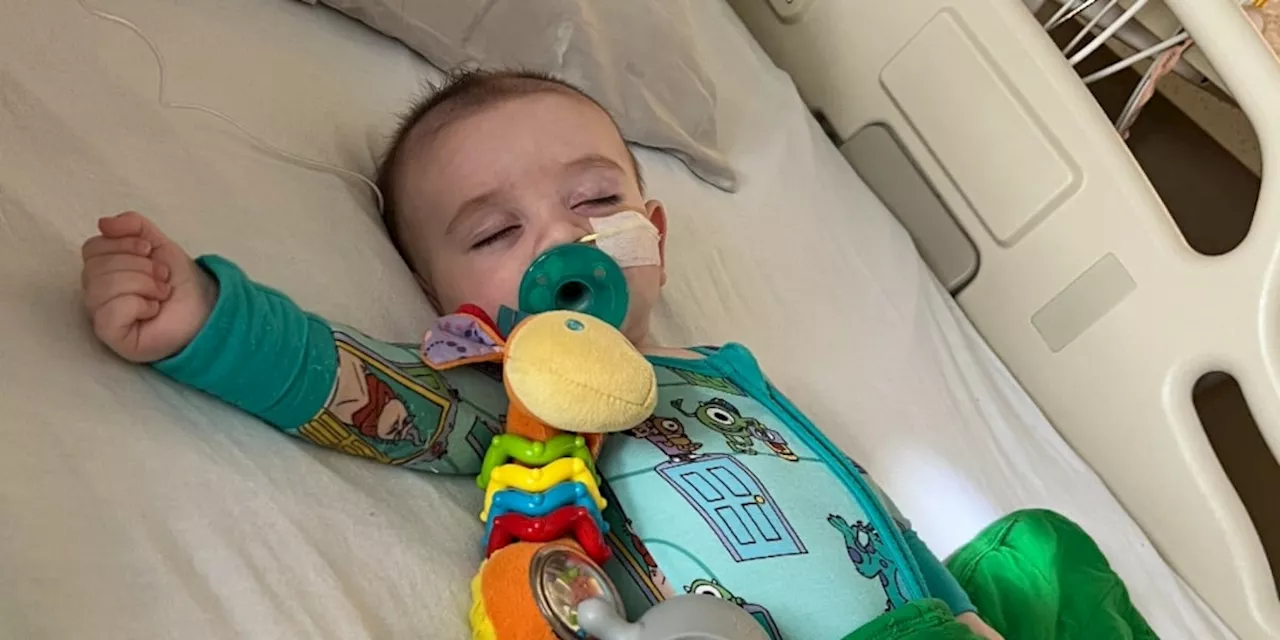
When former Little Mix star Jesy Nelson revealed that her twins had been diagnosed with spinal muscular atrophy type 1 (SMA1), a rare genetic condition leading to muscle wastage, it sparked widespread attention and renewed calls for newborn screening for the disease. The announcement prompted a swift response from Wes Streeting, the UK Health Secretary, who acknowledged the need for timely diagnoses and pledged to explore genomic medicine alongside screening options.
However, many families affected by SMA expressed frustration, stating their pleas for government action had been overlooked for years. “I have been trying to raise awareness of the need for newborn screening for about four years,” said Portia Thorman, head of advocacy at the charity SMA UK. Her son, Ezra, was diagnosed with SMA1 after a harrowing experience in intensive care as a newborn. Thorman described the government’s previous inaction as a “kick in the teeth,” noting that Streeting had been aware of the issue long before Nelson’s announcement.
Over the years, parents like Thorman have felt marginalized by policymakers, perceiving that the rarity of the disease has led to a lack of urgency. She pointed out that Streeting declined an invitation to visit a pilot study on newborn screening for SMA at the University of Oxford, reinforcing her feelings of neglect.
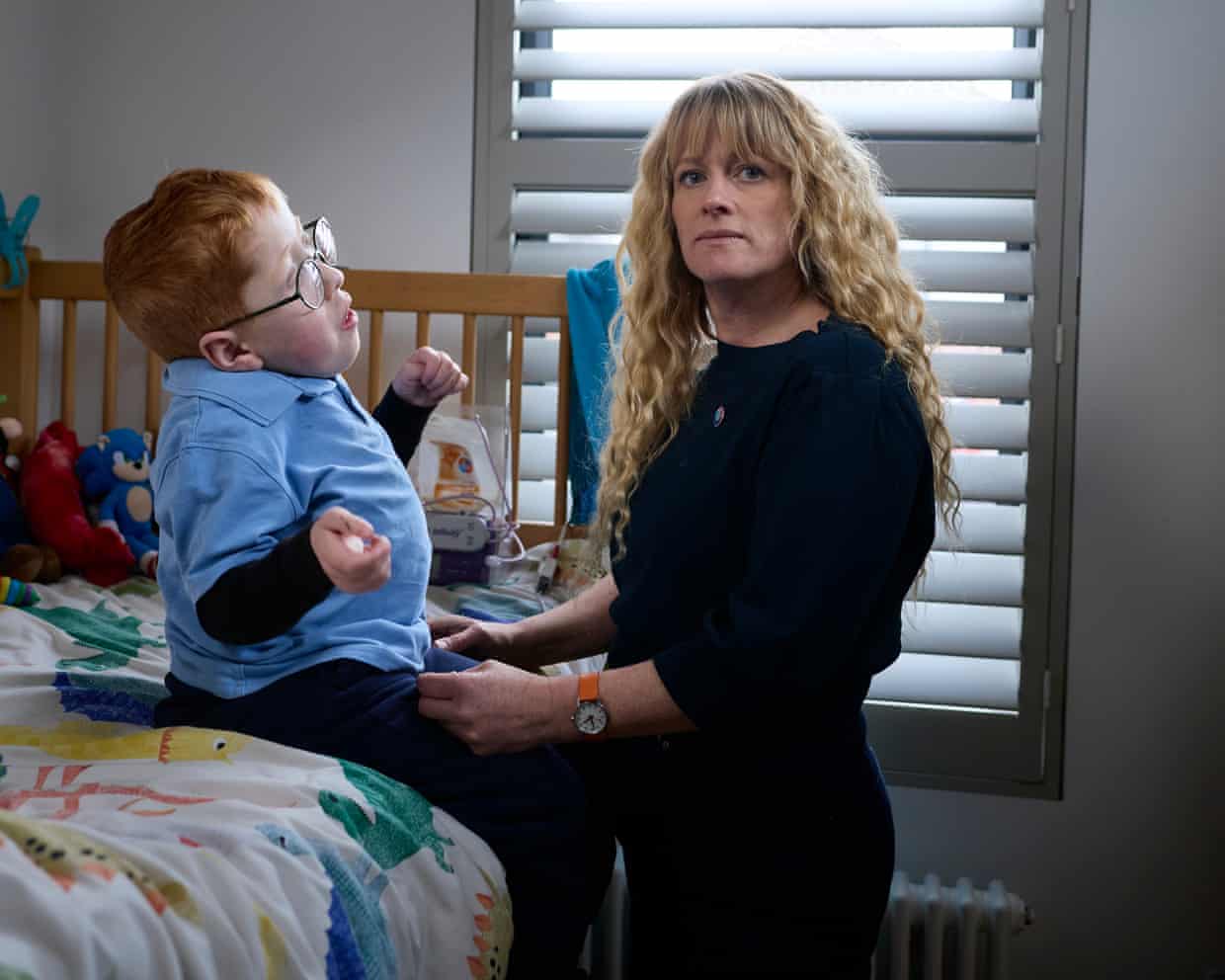
The emotional toll is compounded by the practical challenges families face. Amy Moffatt, whose son Oakley was diagnosed with SMA1 at just ten weeks old, described the struggle to have her concerns validated before her son received gene therapy that halted his condition’s progression. “It’s been so painful,” Moffatt said, reflecting on more than six years of advocacy with little progress.
SMA affects muscle function and, if untreated, can severely impact mobility, breathing, and swallowing. Type 1, the most severe variant, has a grim prognosis, with infants typically living less than two years without treatment. Despite this, newborn screening for SMA is not currently standard in England, although the UK National Screening Committee has begun reassessing the situation; Scotland plans to implement screening in April 2024.
Countries such as the United States, Germany, Japan, and Ukraine already have screening programs in place, with approximately 10,000 to 14,000 babies diagnosed with SMA worldwide each year. The lack of a screening program in England has left families scrambling for resources and support.
Molly Everitt, a 23-year-old master’s student at the University of Liverpool and an SMA type 3 patient, expressed mixed feelings regarding the sudden media focus on SMA. “It’s surreal to see a condition I’ve lived with my entire life suddenly on the front page,” she said. Everitt emphasized that many individuals with SMA lead fulfilling lives and that the narrative surrounding the disease should reflect that diversity.
For families like that of Charlie Mosey, whose son Rupert has SMA1, the visibility brought by Nelson’s campaign is a double-edged sword. “It’s fantastic that Jesy has helped raise the profile,” Mosey stated, but she lamented that it took a celebrity to draw attention to an issue that many have been advocating for years. The family has raised over £500,000 for clinical trials since Rupert’s birth, and they maintain close ties with clinicians pushing for newborn screening.
A spokesperson for the Department of Health and Social Care acknowledged the efforts of families and organizations like SMA UK in campaigning for awareness. They noted that the UK National Screening Committee is recommending a large-scale study into newborn screening for SMA, with plans to screen hundreds of thousands of newborns as part of a trial within the NHS.
The ongoing campaign for SMA screening highlights the challenges faced by families of children with rare diseases, who often feel their voices are not heard until high-profile figures shine a light on their struggles. As advocacy continues, families remain hopeful that significant changes will soon come to ensure that no other child has to endure the lengthy diagnostic process that has affected so many.