Human Rights Watch (HRW) is calling on the United Nations to strengthen child protections in a forthcoming treaty aimed at facilitating the international prosecution and extradition of those accused of crimes against humanity. This appeal comes as diplomats prepare to convene in New York from January 19 to 30, 2024, to negotiate the draft treaty.
HRW emphasized that the current draft inadequately addresses the unique vulnerabilities of children, mentioning them only twice: once in the preamble and once within the definition of enslavement in Article 2(1)(c). The organization highlighted the absence of specific provisions that address various crimes targeting children, such as age-based persecution, recruitment of child soldiers, and other forms of violence. According to HRW, crimes against humanity, including murder, rape, torture, and slavery, frequently affect children, who represent nearly one-third of the global population.
In a statement, Alicia Buenrostro Massieu, Deputy Permanent Representative of Mexico to the United Nations, remarked, “We have a responsibility to build a treaty that does not leave children behind.” This sentiment echoes the concerns of many rights organizations advocating for justice mechanisms that are accessible and safe for younger populations.
The proposed treaty aims to formalize the international prohibition of crimes against humanity, a long-established norm under international law. Currently, there is no binding treaty obligating countries to enforce these prohibitions. While the Rome Statute codifies these crimes, the new treaty seeks to provide a clearer framework for accountability. Children, as independent rights holders, are entitled to special care and protection that aligns with their developmental needs and circumstances.
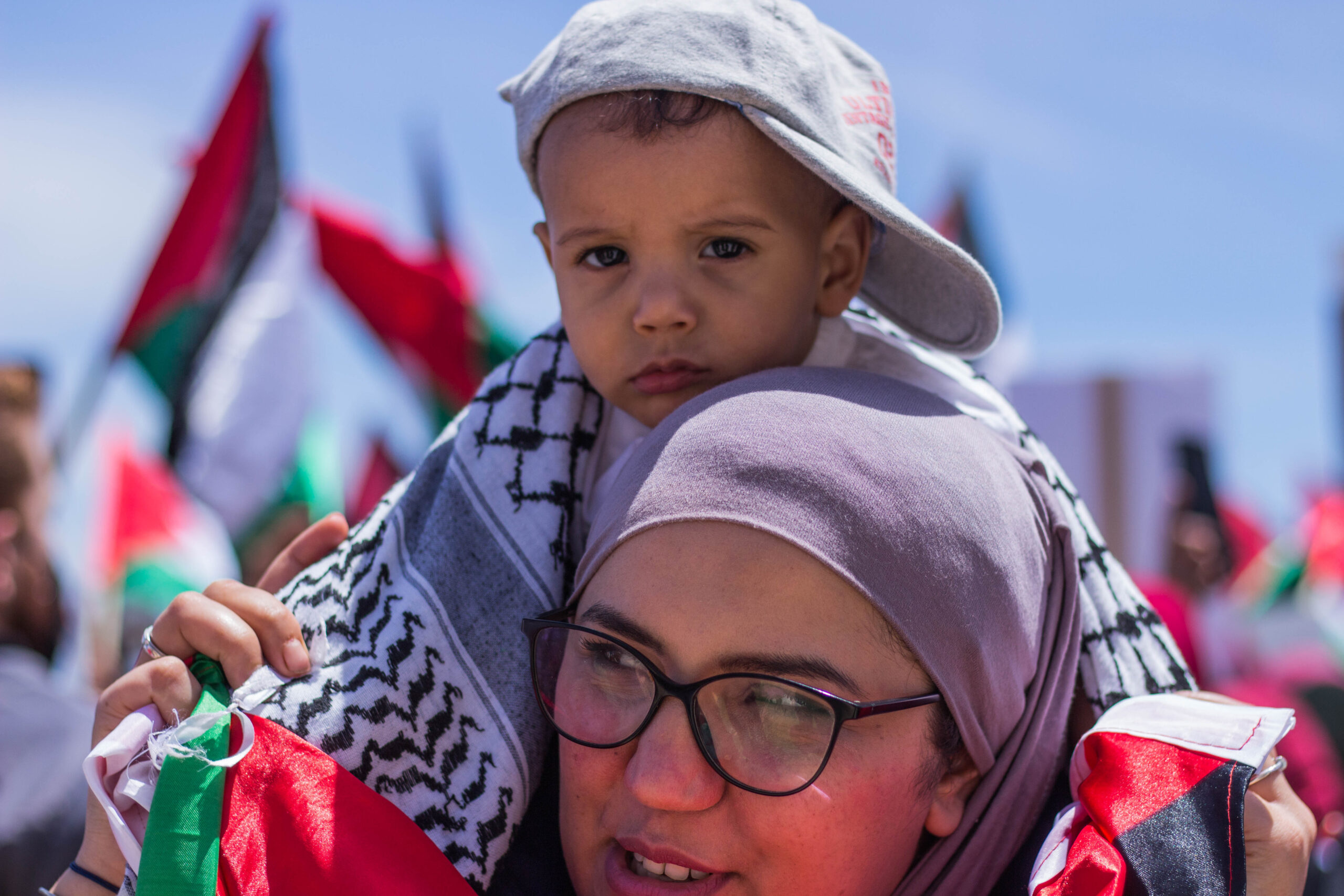
HRW pointed out that approximately 149 million children live in “high intensity” conflict zones, underscoring the urgent necessity for legal protections that reflect their realities. In light of this, thirty-eight organizations and rights experts, including HRW, have endorsed proposals from the Global Justice Centre that advocate for child-specific provisions to ensure that international law recognizes the distinct experiences of children affected by conflict and violence.
As discussions unfold at the United Nations, the focus on enhancing protections for children remains paramount. Advocates hope that the treaty will ultimately lead to a more inclusive framework that addresses the rights and needs of the world’s most vulnerable populations, ensuring that no child is left unprotected in the face of atrocities.
The upcoming negotiations present an opportunity for member states to align their commitments with international standards that prioritize the safety and well-being of children, paving the way for a treaty that recognizes their rights as fundamental to global justice.