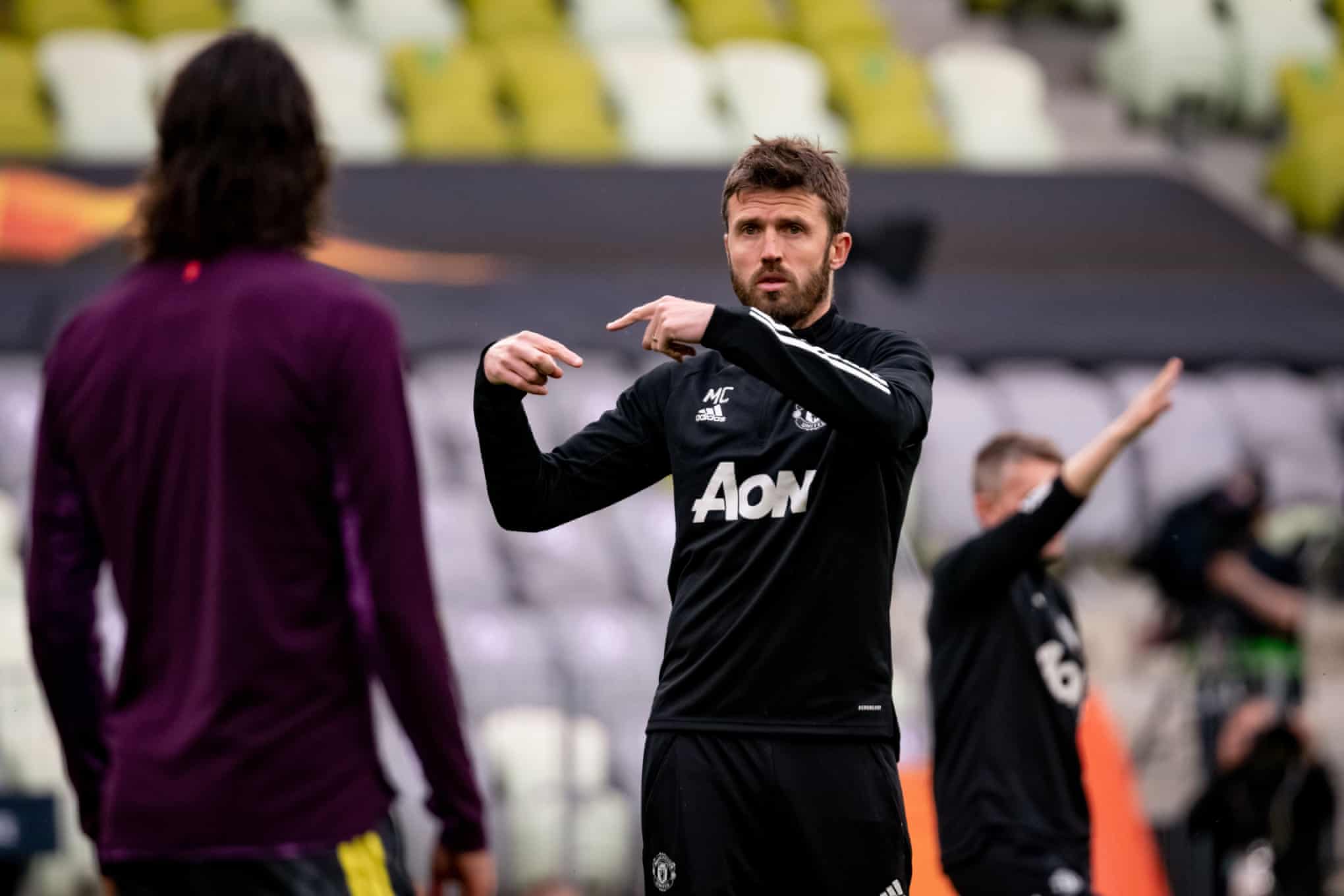
Michael Carrick faces a pivotal challenge as he transitions to his role as interim head coach at Manchester United. His tenure at Middlesbrough ended after a disappointing season where tactical rigidity may have cost him his position. Carrick’s strategy, which emphasized a patient, possession-based game, drew both admiration and criticism, ultimately leading to his dismissal after Middlesbrough finished a lackluster tenth in the Championship.
The decision to part ways with Carrick came after an in-depth review by club owner Steve Gibson and the board. Despite the club’s respect for Carrick, it became clear that his reluctance to adapt tactically played a significant role in declining performances. The former midfielder, who took charge of Middlesbrough in October 2022, initially inspired hope as he guided the team from 21st to a fourth-place finish, showcasing an attractive playing style that included a deep run to the Carabao Cup semi-finals.
However, the optimism faded after a series of disappointing results. Middlesbrough’s playoff aspirations were dashed in May 2023 when they underperformed against Coventry, and the following season saw them finish eighth, far below expectations. Supporters of Carrick pointed to the sale of key striker Emmanuel Latte Lath to Atlanta for a club-record £22.5 million as a destabilizing factor. His departure, along with injuries to defensive players, left the squad in turmoil.
While Carrick’s coaching style earned him loyalty among players, questions arose regarding his adaptability. Notably, managers from rival teams highlighted Middlesbrough’s predictable tactics. Régis Le Bris, Sunderland’s coach, noted that Carrick’s side exhibited only “one distinct way of playing,” allowing opponents to exploit their weaknesses. This predictability was evident when Sunderland achieved a league double over Middlesbrough, exposing Carrick’s struggles with in-game management.
Positive aspects of Carrick’s leadership included his integrity and commitment to community work, which endeared him to staff and players alike. His management style fostered a supportive environment, but his cautious approach to media interactions sometimes led to misunderstandings with fans. Critics described Middlesbrough as “too nice” and “too predictable,” with opponents often capitalizing on this perceived lack of tactical variety.
As Carrick embarks on his new role at Manchester United, he must address these tactical challenges head-on. His previous experience as a coach under José Mourinho and Ole Gunnar Solskjær provides a foundation, but the demands of leading a top Premier League club will require him to evolve. Carrick has been known to keep the whistle given to him by Mourinho—symbolic of the lessons learned during his time at Old Trafford.
The upcoming weeks will be crucial for Carrick as he seeks to reinvigorate his coaching career and align Manchester United’s ambitions with a more flexible tactical approach. With the spotlight firmly on him, Carrick’s success will depend on his ability to adapt and respond to the dynamic nature of the Premier League.