The head of Iran’s judiciary announced plans for expedited trials and potential executions for individuals detained during recent nationwide protests. This announcement came despite a warning from U.S. President Donald Trump regarding Iran’s treatment of protesters.
Judiciary Chief’s Statement
In a video broadcast by Iranian state television on November 1, 2023, Gholamhossein Mohseni-Ejei, the judiciary chief, stated that the legal proceedings against detained protesters would proceed quickly. He emphasized the government’s zero-tolerance approach to dissent, suggesting that individuals involved in the protests would face serious legal consequences.
“If they want to continue with this, they should know that the judiciary will not be lenient,” Mohseni-Ejei declared. His remarks indicate a stark escalation in the government’s response to the protests that erupted across the country following the death of a young woman in police custody earlier this year.
Context of the Protests
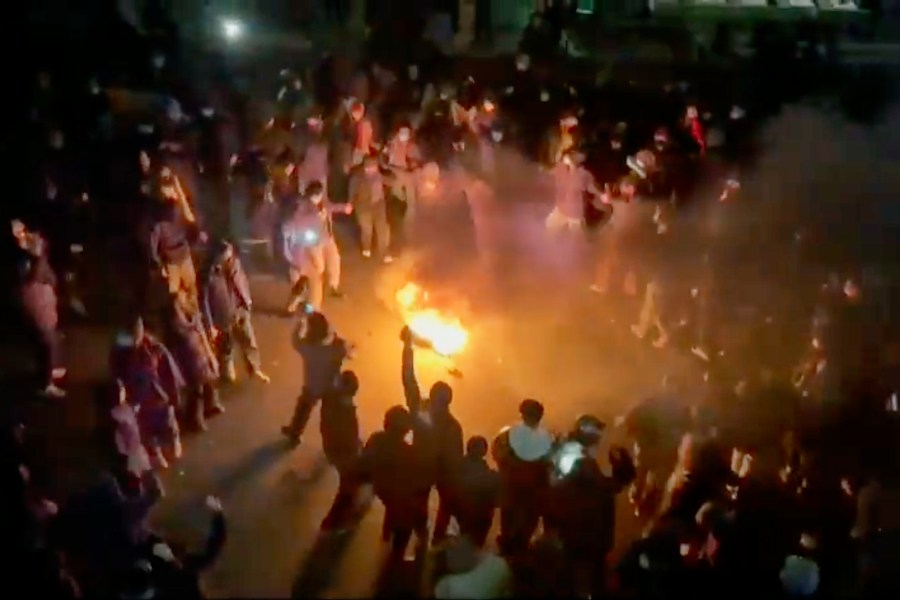
The nationwide protests have drawn significant attention both domestically and internationally. Activists have criticized the Iranian government for its heavy-handed tactics and the lack of fundamental rights. The demonstrations, which began in mid-2023, have resulted in thousands of arrests, with many activists calling for reforms and greater freedoms.
In response to this situation, President Trump has urged the Iranian regime to respect the rights of its citizens. His warning highlights the growing international concern over Iran’s judicial practices and human rights record.
As the Iranian government prepares for swift legal actions, the international community watches closely. Human rights organizations have condemned Iran’s approach, calling for immediate action to prevent further violations.
The situation remains fluid, and the implications of Iran’s judiciary decisions could resonate widely, affecting both domestic stability and international relations.