The United States Air Force (USAF) operates a vast training network that plays a pivotal role in preparing its personnel for a range of military operations. With approximately 320,000 active-duty members, alongside 105,000 Air National Guard and 69,000 Air Force Reserve members, the Air Force is a critical component of the U.S. military. This article examines the seven largest training bases, highlighting their strategic roles in developing both fundamental and advanced military skills.
Luke Air Force Base: Leading F-35 Training
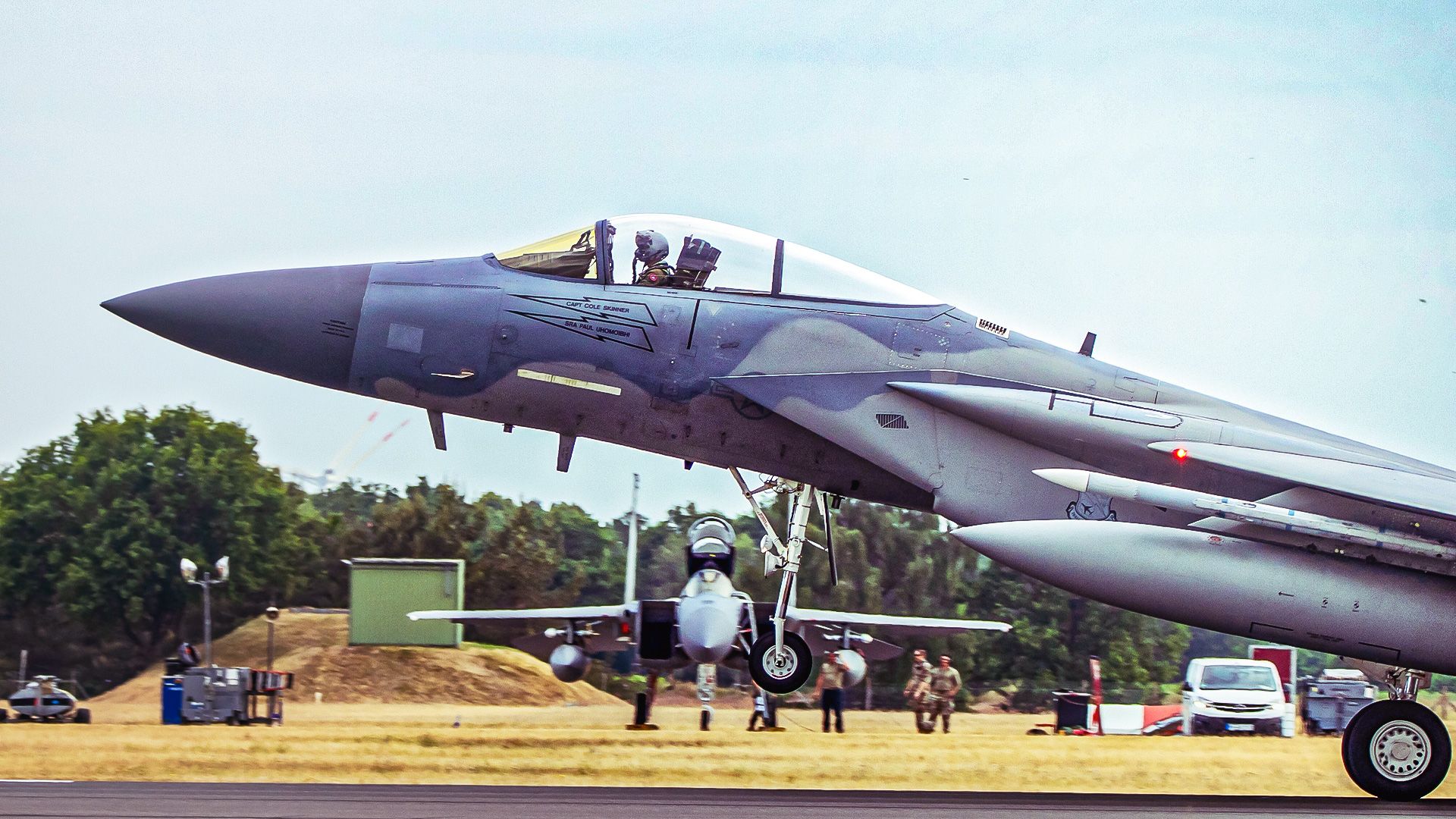
Located in Arizona, Luke Air Force Base has been designated as the primary training hub for the F-35 Lightning II. Following a complete transition from the F-16 Fighting Falcon last year, Luke oversees the training of approximately 75% of all F-35 pilots worldwide. This mission is managed by the 56th Fighter Wing, the largest fighter wing in the Air Force.
Annually, Luke trains over 1,000 pilots and more than 700 maintenance technicians tasked with supporting F-35 and F-16 systems. The Barry M. Goldwater Military Training Range, encompassing 1.9 million acres, provides the extensive airspace necessary for high-speed tactical training. Additionally, Luke operates the world’s largest F-35 simulator program, featuring 32 state-of-the-art simulators to prepare pilots for complex combat scenarios.
Eglin Air Force Base: A Hub for Advanced Training
Situated in Florida, Eglin Air Force Base serves as an essential training center for advanced weapon systems and special operations. While primarily focused on testing and evaluation, the base is also home to the Integrated Training Center, which can train up to 100 military pilots and approximately 2,100 maintenance students annually.
Eglin supports not only the Air Force but also the Navy, Marine Corps, and foreign allies, graduating around 180 specialized intelligence students each year. The base’s training capabilities have led to estimates suggesting it may produce between 10,000 and 15,000 trainees annually. As of 2026, Eglin will support a population of 70,000 to 81,000, including military personnel and civilians.
Goodfellow Air Force Base: Information and Firefighting Training
Located in Texas, Goodfellow Air Force Base is recognized as the center for Intelligence, Surveillance, and Reconnaissance (ISR) training. Each year, the base graduates between 10,000 and 12,000 students across various military branches, including the Air Force, Army, and Navy.
Goodfellow is also home to the only Department of Defense Fire Academy, training over 2,400 firefighters annually. The base’s intelligence squadrons produce around 4,000 intelligence Airmen each year, contributing significantly to military operations worldwide.
Nellis Air Force Base: Combat Readiness Training
In Nevada, Nellis Air Force Base hosts a large number of troops for realistic combat exercises, primarily through its Red Flag drills. With over 25,000 participants annually, Nellis is a central hub for joint and international combat training, hosting more than 350 military units each year.
The US Air Force Warfare Center at Nellis specializes in advanced combat training and tactics development, utilizing the extensive Nevada Test and Training Range for operations. Nellis also conducts various exercises, including “Bamboo Eagle” and “Virtual Flag,” to enhance combat readiness and coordination among forces.
Keesler Air Force Base: Electronics and IT Training
Keesler Air Force Base in Mississippi is the leading center for information technology and electronics technical training. It oversees around 30,000 students annually across more than 2,700 active courses. As a joint training installation, Keesler serves members from all branches of the military and federal agencies.
The base is recognized as the world’s largest electronics training organization, providing critical training in areas such as cybersecurity, air traffic control, and weather forecasting. Keesler focuses on high-technology education essential for modern military operations.
Lackland Air Force Base: Basic Military Training
Joint Base San Antonio-Lackland, often referred to as the “Gateway to the Air Force,” is the sole location for Air Force and Space Force Basic Military Training (BMT). The 737th Training Group is responsible for transforming civilians into military personnel, graduating approximately 36,000 recruits each year.
The training emphasizes core military values, physical fitness, and essential war skills, preparing new Airmen for further technical training. Lackland also offers courses in logistics, security forces, and specialized warfare training, ensuring recruits are well-equipped for their future roles.
Sheppard Air Force Base: A Diverse Training Facility
Located in Texas, Sheppard Air Force Base stands out as the only site with both major technical and flying training wings. It is a vital technical training center, producing more than 60,000 to 65,000 trainees annually across various military branches and allied nations.
The 82nd Training Wing offers over 900 formal courses in diverse fields, including aircraft repair and logistics. Additionally, Sheppard is home to the Euro-NATO Joint Jet Pilot Training program, fostering international collaboration among 14 partner nations.
These seven bases are integral to the operational readiness of the U.S. Air Force, each playing a unique role in training personnel for modern military challenges. The strategic distribution of training across these facilities ensures that the Air Force maintains its commitment to excellence and preparedness.