On January 17, 2024, the Moon is in its Waning Crescent phase, showcasing just 2% of its surface illuminated. As the lunar cycle progresses toward the New Moon, the visibility of the Moon diminishes, making it difficult to observe any significant lighting. This phase indicates that the Moon is nearly in alignment with the Sun as seen from Earth, resulting in a predominantly dark sky.
Understanding the Moon’s phases is essential for astronomy enthusiasts and casual observers alike. According to NASA’s Daily Moon Guide, the lunar cycle lasts approximately 29.5 days, during which the Moon transitions through eight distinct phases. These phases are influenced by the Moon’s position in orbit around Earth, affecting how much sunlight is reflected back to us.
Upcoming Lunar Events
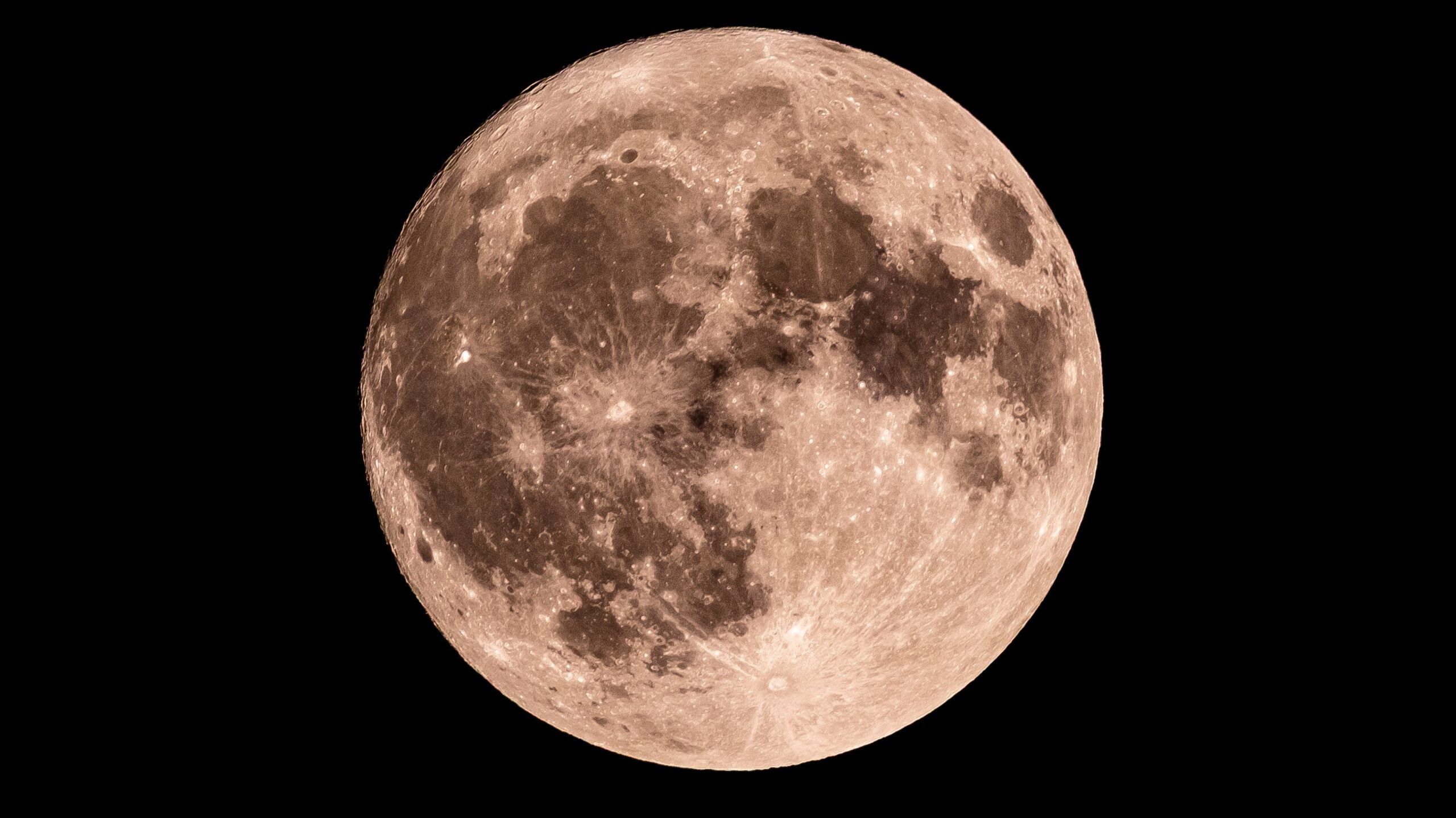
The next notable lunar event is the Full Moon, set to occur on February 1, 2024. This follows the last Full Moon, which took place on January 3, 2024. The contrast between phases is fascinating; from the complete illumination of the Full Moon to the near invisibility of the New Moon, each phase offers a unique perspective of our celestial neighbor.
As the Moon travels around Earth, it passes through various phases, including:
– **New Moon**: The Moon is positioned between Earth and the Sun, rendering it invisible from our vantage point.
– **Waxing Crescent**: A small crescent of light appears on the right side.
– **First Quarter**: Half of the Moon is illuminated, creating a distinct half-Moon shape.
– **Waxing Gibbous**: Over half of the Moon’s surface is lit, yet it is not fully illuminated.
– **Full Moon**: The entire face of the Moon is visible and bright.
– **Waning Gibbous**: The light begins to decrease from the right side.
– **Third Quarter (Last Quarter)**: Another half-Moon, but this time the left side is illuminated.
– **Waning Crescent**: A thin sliver of light remains on the left side before entering the New Moon phase again.
The Moon’s consistent rotation ensures that the same side always faces Earth, yet its visibility fluctuates dramatically due to the varying angles of sunlight. Understanding these cycles not only deepens appreciation for the night sky but also informs various cultural and agricultural practices across the globe.
As we look forward to the upcoming Full Moon, stargazers and night sky enthusiasts can prepare for a captivating display, with the Moon fully illuminated and visible for all to enjoy.