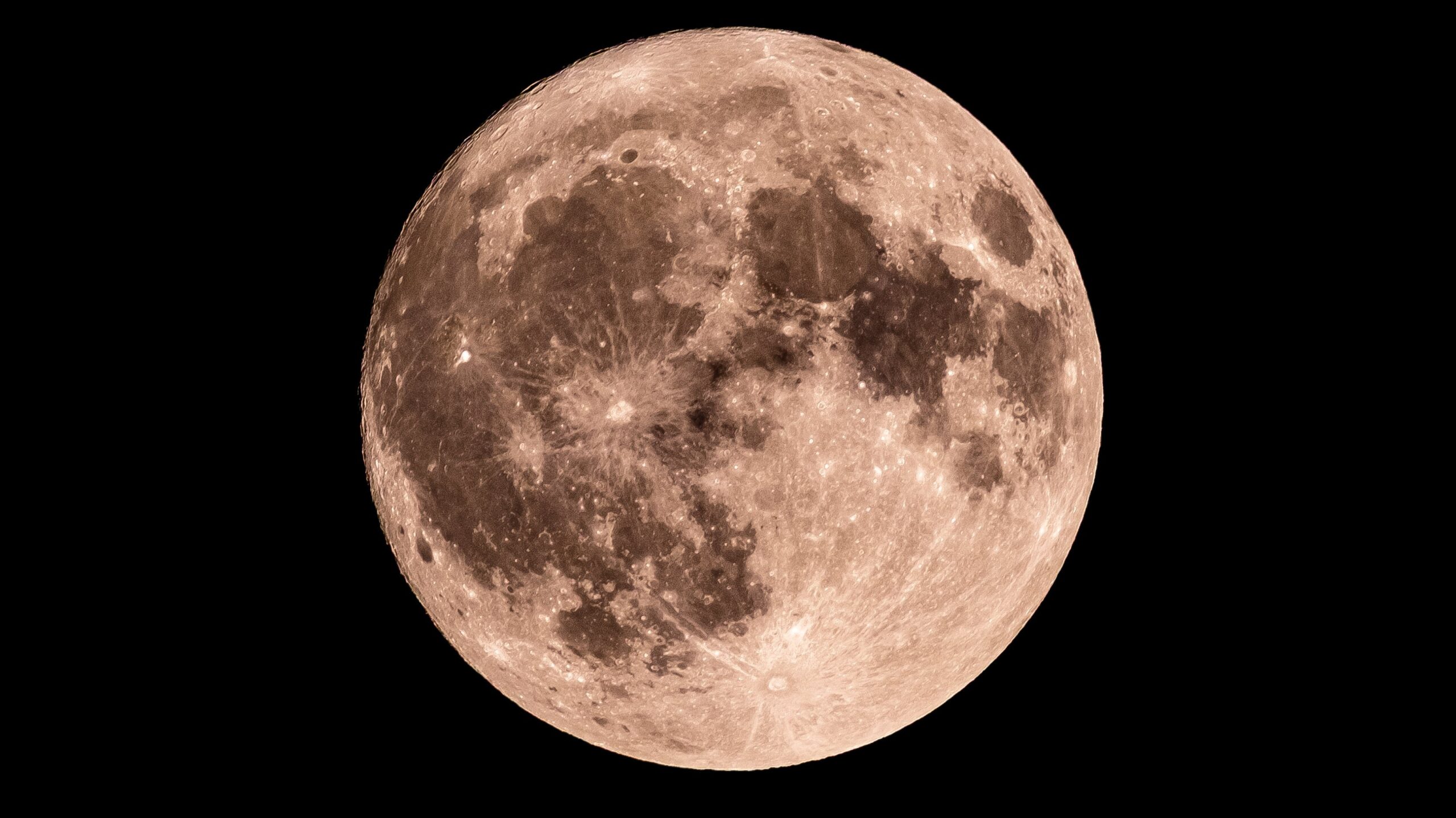
The lunar calendar marks January 18 as a significant date, as it heralds the arrival of the New Moon. This phase occurs when the Moon is positioned directly between the Earth and the Sun, rendering it invisible in the night sky. As a result, there is currently 0% illumination on the Moon, according to NASA’s Daily Moon Guide.
With the completion of the current lunar cycle, the Moon will begin to brighten each night, leading up to the next Full Moon scheduled for February 1. The previous Full Moon illuminated the sky on January 3, providing a stark contrast to the darkness of the New Moon phase.
Understanding Moon Phases
Moon phases are an essential component of the lunar cycle, which spans approximately 29.5 days. This duration reflects the time it takes for the Moon to orbit the Earth fully. As the Moon travels around our planet, it transitions through eight distinct phases, each characterized by varying amounts of sunlight reflected off its surface.
The phases include:
– **New Moon**: The Moon is positioned between the Earth and the Sun, making it invisible to the naked eye.
– **Waxing Crescent**: A small portion of the Moon begins to illuminate on the right side.
– **First Quarter**: Half of the Moon is lit on the right side, resembling a half-Moon.
– **Waxing Gibbous**: More than half of the Moon is illuminated, approaching fullness.
– **Full Moon**: The entire face of the Moon is visible and fully illuminated.
– **Waning Gibbous**: The Moon gradually loses light on the right side.
– **Third Quarter (or Last Quarter)**: Another half-Moon appears, but now the left side is lit.
– **Waning Crescent**: A thin sliver of light remains on the left side before the cycle resets.
Looking Ahead in the Lunar Cycle
As the New Moon phase concludes, stargazers can anticipate increasingly bright nights in the coming weeks. Each evening will showcase a growing illumination until the next Full Moon. Understanding these lunar phases not only enriches our appreciation of celestial events but also connects us to the rhythm of nature that has guided humanity for centuries.
With the next Full Moon on the horizon, enthusiasts and casual observers alike are encouraged to mark their calendars and prepare for a captivating view in the night sky.