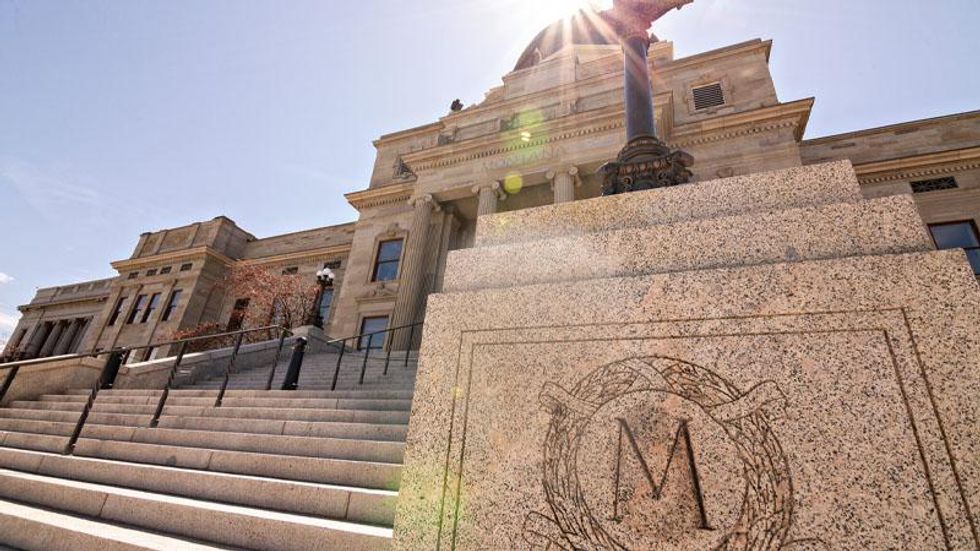
An unusual winter is unfolding in Montana, with temperatures remaining unexpectedly warm for mid-January. In Helena, the mercury has hovered around 50°F during the day, with nighttime lows not dipping below 40°F. This drastic shift has led to new high temperature records being set across the state, raising questions about the implications of climate change.
Residents are expressing confusion and concern as the typical winter scene remains absent. According to local columnist and environmental activist George Ochenski, many Montanans are experiencing a sense of “seasonal dislocation.” For those who have spent years in the state, this winter’s warmth is not merely a pleasant anomaly but a troubling indicator of broader environmental issues.
Weather Patterns Raise Alarm
Montana’s snowpack, crucial for sustaining water resources throughout the year, is significantly diminished. Reports indicate that snow depth measurements at various elevations are inconsistent, with some areas showing good accumulation while others report alarming lows. Enthusiasts in the Tobacco Root Mountains mention that there is “good snow at 9,000 feet,” but this amounts to just a limited snowpack, with the valleys below remaining brown and dry.
Ochenski notes the stark contrast between the current weather and historical norms, stating, “You don’t need a weatherman to know there’s no snow in our mountains.” Local residents are increasingly aware that the visible changes in their environment reflect broader scientific predictions regarding climate change.
Political Response and Environmental Impact
The current situation in Montana exemplifies the ongoing debate surrounding climate change policies. Ochenski suggests that the ramifications of decades of pollution are becoming apparent, as predictions made by environmental scientists are materializing. He argues that the fossil fuel industry continues to resist necessary regulatory changes, often aligning with political figures who dismiss climate concerns.
Despite these warnings, Ochenski criticizes the state’s approach to forest management. He highlights the decision to increase logging quotas in state forests, which he views as misguided, especially as the changing climate raises questions about the sustainability of these resources. The columnist emphasizes that while significant funds are being directed toward technological solutions for carbon capture, natural solutions like forest conservation are being overlooked.
The stakes are high in Montana, where the changing weather patterns affect not only the environment but also the livelihoods of residents who depend on snow for recreation and water supply. As January progresses without the expected winter conditions, Montanans are left grappling with the reality of a warming climate and the urgent need for a proactive response.
Ochenski concludes that the ongoing struggle to protect Montana’s natural beauty is critical for future generations. The question remains for many locals: “Winter? What winter?” As the season continues, the implications of this unusual weather may resonate far beyond Montana’s borders, highlighting the global nature of climate change challenges.