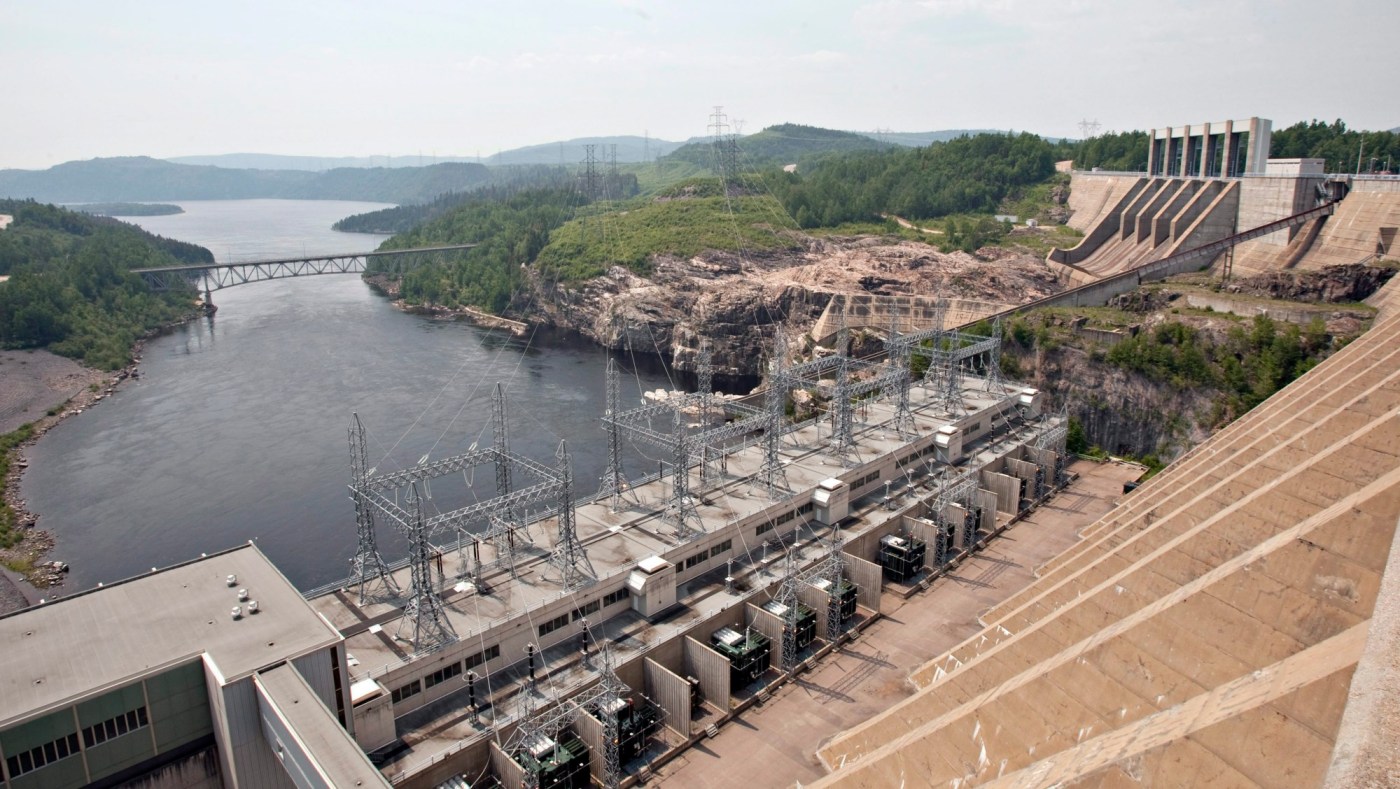
UPDATE: Massachusetts is confronting urgent challenges as the highly anticipated hydro-powered electricity from Quebec arrives amidst concerns over drought conditions. Residents are grappling with skyrocketing energy bills, which a recent Suffolk University poll revealed as the single largest strain on household budgets for over 20% of respondents.
The long-awaited New England Energy Connect (NECEC), initially proposed in 2017, has finally completed its regulatory hurdles, but the implications for Massachusetts residents are far from clear. Set to deliver 1,200 megawatts of hydropower, this project is expected to supply about 20% of the state’s electricity needs over the next 20 years, yet it comes with significant caveats.
Despite projections of $3 billion in net benefits to Massachusetts energy customers and estimated annual savings of $50 million for ratepayers, the actual savings per household are projected to be only $18 to $20. This minimal reduction raises questions about the true value of this massive investment, which ballooned from an initial $1 billion to approximately $1.6 billion.
The environmental benefits touted by project supporters are substantial, with Avangrid estimating a reduction of 3.6 million metric tons of carbon emissions annually. However, this is contingent upon Hydro-Quebec’s ability to meet Massachusetts’ energy demands. Recent reports indicate that 86% of Canada’s Central Region, including Quebec, is facing severe drought, which has significantly reduced water supplies for hydropower generation.
According to ISO New England, the existing Phase II power line, which has traditionally supplied electricity to the region, has recently been exporting power back to Quebec due to these drought conditions. Dan Dolan, president of the New England Power Generators Association, noted that imported electricity from Canada peaked in 2017 and has been declining ever since, a trend exacerbated by the ongoing drought.
The situation raises alarm bells as Massachusetts officials scramble to ensure reliable electricity supply while facing potential shortages. As the NECEC project finally becomes operational, Hydro-Quebec now finds itself in a precarious position, needing to prioritize domestic electricity demands over contractual commitments to Massachusetts.
Amid these developments, consumers are left wondering if this hydro-powered solution will genuinely alleviate their burdensome energy costs or if it will merely serve to illustrate the complexities of adapting to a changing climate. Critics have long warned about the reliability of hydropower amid drought, a sentiment echoed in a September 2022 editorial that questioned the viability of such an energy source in light of climate fluctuations.
As Massachusetts continues to grapple with energy costs, residents are urged to stay informed about the evolving landscape of energy supply and demand. The NECEC’s potential benefits now hang in the balance as the drought persists, leaving many to ponder whether the promise of clean energy is worth the risks associated with climate variability.
Stay tuned for updates as this situation develops, impacting both the environment and household budgets across Massachusetts.