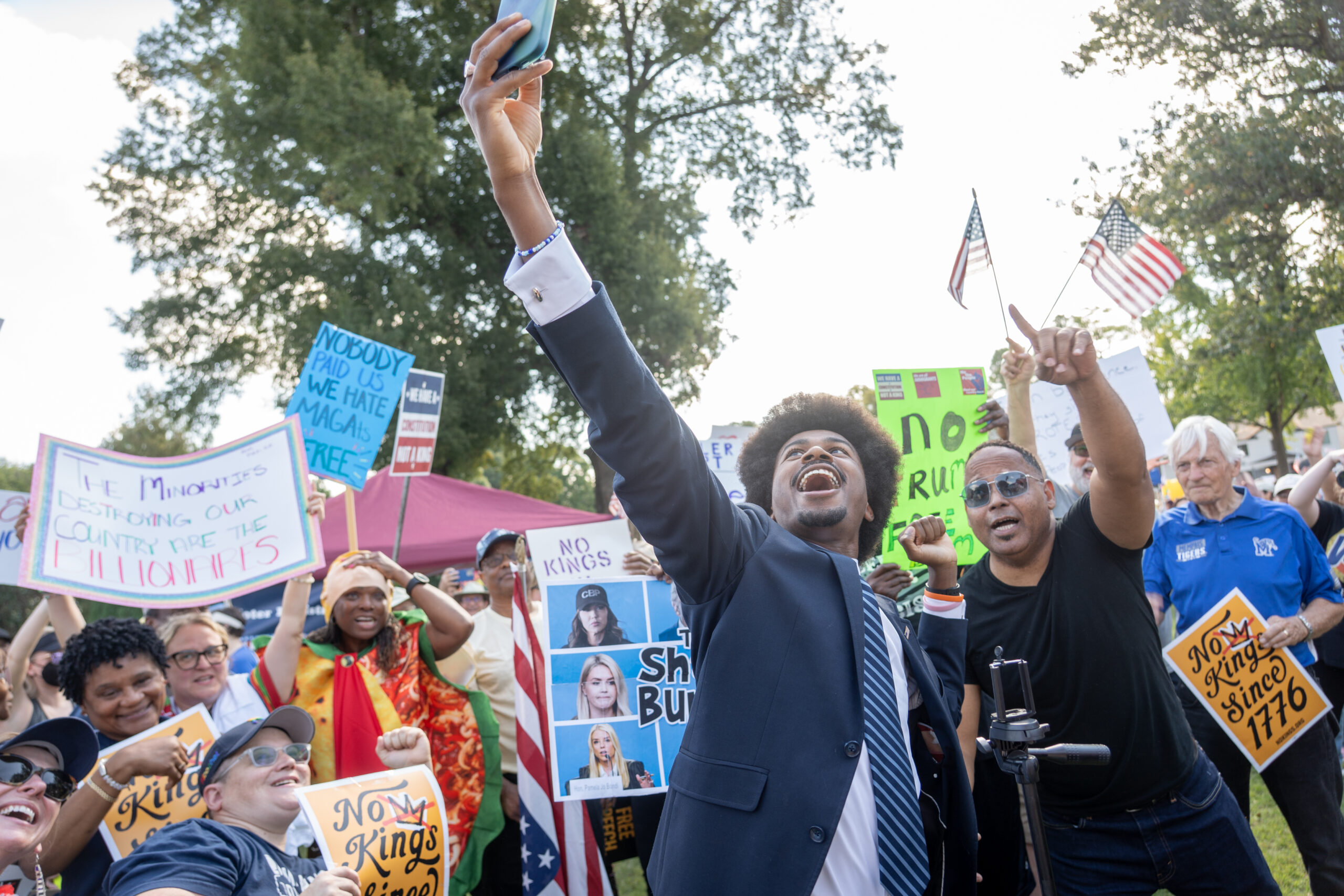
The Congressional Black Caucus (CBC) is facing significant internal tensions regarding generational leadership. This conflict has emerged as younger members call for change, challenging the longstanding influence of veteran politicians. Tennessee state Representative Justin Pearson voiced a critical perspective, stating, “You cannot be a part of the system for 40 years and also be the one who’s going to change it for the next 40.”
The CBC, established in 1971, has been a platform for African American legislators to advocate for policies beneficial to their communities. However, as the political landscape evolves, many younger members feel that the current leadership does not adequately reflect the diverse and urgent issues facing today’s society.
A growing number of younger members within the caucus are advocating for a more progressive agenda, aiming to address contemporary challenges such as systemic racism, economic inequality, and climate change. These representatives argue that the CBC’s existing leadership is too entrenched in traditional approaches and is failing to resonate with younger constituents.
This generational divide has become increasingly evident during recent meetings and discussions, where the older members have expressed concern about the pace of change. Critics argue that the CBC must adapt to remain relevant and effective. As Pearson highlighted, the challenge lies in the ability of established leaders to embrace new ideas and perspectives, which are crucial for the caucus’s future.
The implications of this internal rift extend beyond just leadership dynamics. The CBC plays a pivotal role in shaping national policies that affect millions of Americans. A failure to navigate this transition could hinder the caucus’s ability to advocate effectively for the needs of their constituents.
As the CBC prepares for upcoming legislative sessions, the need for unity and collaboration among its members becomes paramount. While younger representatives push for a shift in priorities, they must also find ways to engage with their more experienced colleagues. The outcome of this generational struggle will not only define the future of the caucus but also the broader landscape of American politics as it relates to African American interests.
In conclusion, the ongoing discussions within the Congressional Black Caucus reflect a broader trend of generational change in political institutions. As 2023 progresses, the ability of the CBC to reconcile these differences will be critical in determining its effectiveness and relevance in advocating for the African American community. The path forward requires a delicate balance between honoring the legacy of past leaders and embracing the innovative visions of the next generation.