The landscape of home cleaning is undergoing a significant transformation as smart technology evolves from passive convenience to active autonomy. The latest advancements in smart home devices are redefining how we manage our living spaces, with a particular focus on floor care. This shift marks the arrival of what industry experts are calling Smart Home 2.0, where devices not only connect but also operate independently, performing tasks that previously required human effort.
Advancements in Robotic Floor Care
The transition from traditional cleaning methods to robotic solutions signifies one of the most notable changes in domestic management since the introduction of the washing machine. Early robotic vacuums were often regarded as more of a novelty than a necessity. They exhibited erratic behaviors, frequently getting stuck or requiring manual intervention. In stark contrast, today’s models leverage advanced technologies, including LiDAR (Light Detection and Ranging) and vSLAM (Visual Simultaneous Localization and Mapping), to create precise maps of the home.
Modern robotic cleaners do not merely bump into obstacles; they intelligently plot their cleaning routes. These devices operate with remarkable efficiency, ensuring comprehensive coverage of the area by moving in systematic patterns. Moreover, the integration of Artificial Intelligence has dramatically improved their functionality. Advanced cameras and object recognition capabilities enable them to detect and navigate around temporary obstacles, such as cables or toys, in real time. This innovation allows users to simply schedule cleanings through an app, eliminating the need for pre-cleaning the area.
Evolution of Handheld Cleaning Tools
While robotic vacuums dominate the conversation, handheld cleaning devices have also seen considerable advancements. The traditional mop and bucket, a staple of home cleaning for centuries, is being replaced by smart wet-dry vacuums. These contemporary devices are equipped with sensors that adjust to the mess at hand. For instance, high-end models feature infrared dirt detection sensors that analyze debris density and liquid opacity as they clean.
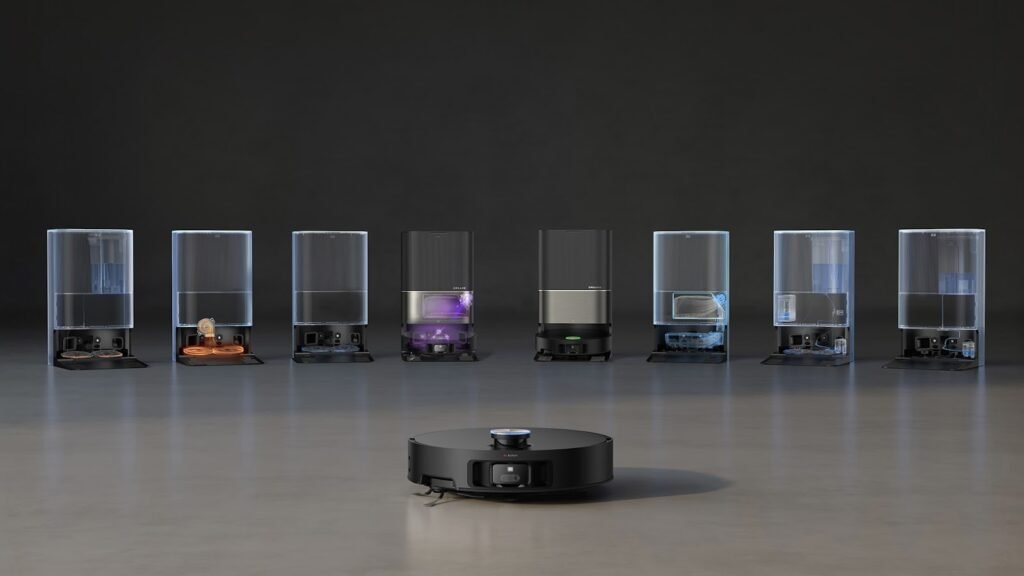
This technology allows the vacuum to optimize suction power and water flow in real time. If the device encounters a light dust layer, it conserves resources; if it comes across a tough sticky spill, it ramps up power instantly. Users benefit from this automation, as the vacuum adjusts its performance without requiring manual input. Furthermore, the inclusion of a self-cleaning cycle in the docking station prevents issues like mold and odors commonly associated with traditional cleaning tools.
A Connected Ecosystem of Smart Devices
The hallmark of Smart Home 2.0 is the interconnectedness of these devices. Integration with platforms such as Alexa, Google Home, or Siri allows users to issue voice commands effortlessly. The phrase “clean the kitchen” can now be executed immediately by a robotic vacuum rather than being a request made to other household members.
In addition, smartphone applications enable users to create “No-Go Zones” or highlight areas that require extra attention. For example, a user might program the robot to focus on the hallway during rainy days or avoid the baby’s room during nap time. Maintenance alerts keep users informed about necessary upkeep, such as when a filter requires cleaning or a water tank needs refilling.
The investment in active smart home technologies differs significantly from purchasing entertainment devices like televisions or speakers. These tools are geared towards enhancing productivity and reclaiming valuable time. By transferring the cognitive load of remembering to clean and the physical effort of scrubbing floors to automated devices, homeowners are effectively buying back hours previously consumed by mundane tasks.
In this evolving smart home landscape, the floor is no longer just an area that requires cleaning; it is now an environment that is actively maintained. This shift profoundly impacts how we live, allowing us to enjoy more time for other pursuits while our homes remain clean and organized.