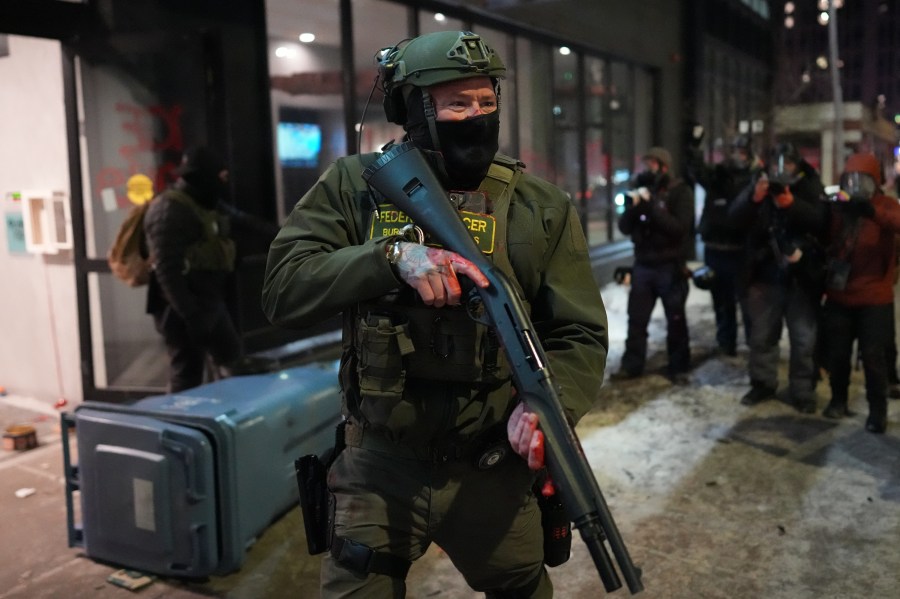
Democratic senators have announced their intention to oppose a crucial funding bill for the Department of Homeland Security following the tragic shooting death of a 37-year-old man in Minnesota. This decision significantly raises the likelihood of a partial government shutdown, which could occur by the end of this week if a resolution is not reached. Six out of the twelve annual spending bills for the current budget year remain unresolved, complicating the fiscal landscape further.
The incident in Minnesota, which has not been officially detailed, has prompted strong reactions from lawmakers. Democratic leaders are calling for a reassessment of priorities concerning funding allocations, particularly in light of ongoing discussions about gun control and public safety. They argue that increased security measures should not come at the expense of addressing pressing social issues.
The funding bill, which is part of broader negotiations over federal spending, was expected to secure resources for various Homeland Security initiatives. However, the Democratic opposition signals a deeper divide in Congress regarding how to approach national safety and community well-being. The party’s leaders have emphasized their commitment to ensuring that any financial support aligns with their legislative goals, which focus on both security and social justice.
As the deadline approaches, the potential for a government shutdown looms large. If no agreement is reached, it could disrupt services and impact federal employees nationwide. This situation underscores the challenges Congress faces in balancing national security concerns with the need for comprehensive policy solutions to prevent further tragedies.
In light of these developments, public opinion may play a critical role in shaping the ongoing debate. Citizens are watching closely as lawmakers navigate the complexities of funding and safety, holding them accountable for their decisions. The outcome of this funding bill could have lasting implications not only for the Department of Homeland Security but also for the broader legislative agenda in the coming months.
With the clock ticking, both parties are under pressure to find common ground. As discussions unfold, the focus will likely shift to the necessity of addressing the factors that contribute to violence while ensuring that citizens feel secure in their communities. The outcome of these negotiations will reveal much about the direction of U.S. policy in the face of ongoing challenges related to public safety and government funding.