Recent research published in *npj Biofilms and Microbiomes* has examined the potential of biofilms—communities of microorganisms—to support life in space and enhance human space exploration. An international collaboration of scientists investigated how these microbial structures could be leveraged in space missions, focusing on both their advantages and potential health risks for astronauts.
The study highlights the significance of biofilms in early Earth history, suggesting they played a crucial role in the development of complex life forms. Researchers undertook a comprehensive review of biofilm characteristics, particularly their interactions with human health and agricultural productivity. They specifically addressed how spaceflight conditions disrupt biofilm structure and function, influence gut-biofilm interactions, and alter rhizosphere-biofilm dynamics—the area where roots, microbes, and soil converge.
A major aspect of the research involved analyzing data from the NASA Open Science Data Repository (OSDR), which promotes accessible scientific research. The findings suggest several innovative applications for biofilms in space. These include precision and regenerative medicine, as well as enhanced agricultural methods that could improve crop yields while reducing reliance on chemical pesticides. Notably, biofilm communities may be engineered for in situ pharmaceutical production, reducing the need for medical supplies from Earth.
“Biofilms have supported life since primordial Earth,” the study concludes, emphasizing the need to view them not solely as potential health hazards but as complex biological tools to be utilized. By adhering to Open Science principles, this research aims to foster the development of biofilm-based technologies that can facilitate deep-space exploration while generating sustainable benefits for Earth.
The investigation builds on over two decades of research into biofilms in space environments. Notable studies include a March 2025 paper in the *Science of Biofilms*, which simulated a microgravity biofilm reactor to observe growth patterns, and another March 2025 article in the *Journal of Microbiology* that addressed biofilm development under space conditions along with associated risks and mitigation strategies. A 2023 study published in *npj Microgravity* also focused on biofilm formation in space.
NASA has been actively studying biofilms for decades, particularly their behavior in microgravity compared to Earth. Research indicates that biofilm communities attach more readily to surfaces in space, posing risks such as equipment damage and potential health threats to astronauts. These communities can develop resistance to antimicrobials and antibiotics, complicating management efforts. In closed system environments typical of space missions, biofilms can clog water systems, corrode metals and pipes, and disrupt vital air filtration systems necessary for providing oxygen and removing carbon dioxide.
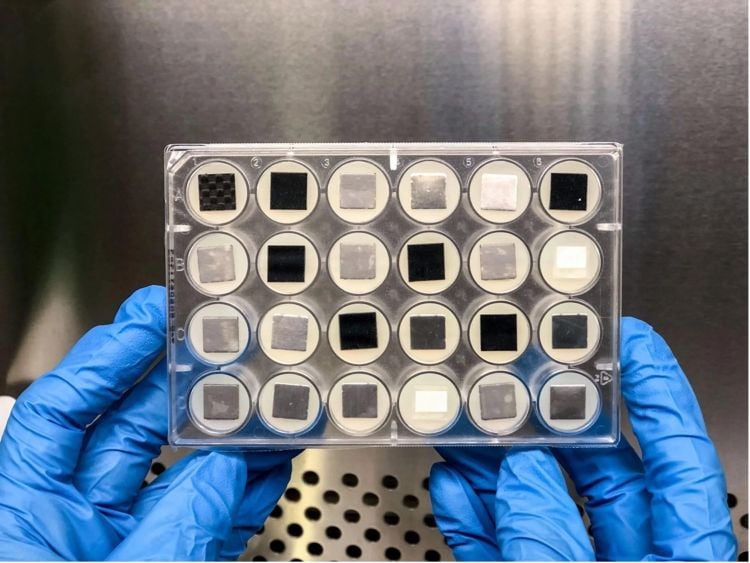
The most extensive research on biofilm activity in microgravity is being conducted through the Characterization of Biofilm Formation, Growth, and Gene Expression on Different Materials and Environmental Conditions in Microgravity (Space Biofilms) project aboard the International Space Station (ISS). Astronauts involved in this research are delving into the complex mechanisms behind biofilm growth in microgravity. Findings from this work will not only contribute to understanding biofilm health risks but may also inform a range of Earth-bound applications.
As biofilm research continues to evolve, its implications for human exploration of space are considerable. While these microbial communities present challenges, they also offer numerous opportunities for enhancing life support systems in future missions to the Moon, Mars, and beyond. The role of biofilms in spaceflight promises to be an area of significant exploration in the coming years, with the potential to reshape our understanding of life beyond Earth.