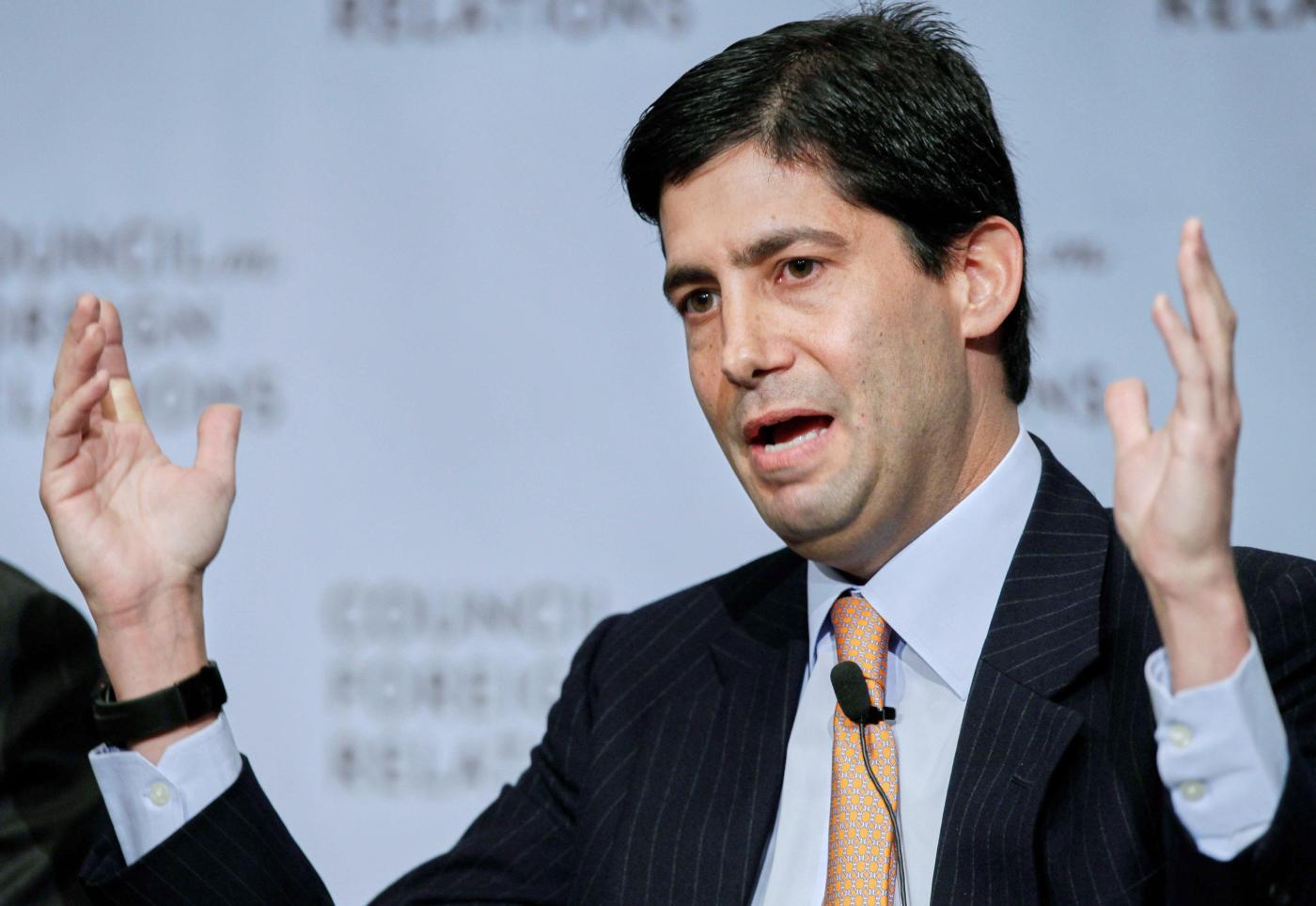
Former Federal Reserve governor Kevin Warsh has been nominated by President Donald Trump to replace Jerome Powell as chair of the Federal Reserve when Powell’s term concludes in May 2024. Warsh will navigate a tense economic landscape as the Fed faces growing pressure to set monetary policy amid conflicting interests from the White House and financial markets.
Warsh’s appointment comes at a time when the Federal Reserve’s board is divided over the direction of interest rates. While Trump has consistently advocated for rate cuts to stimulate economic growth and improve affordability for homebuyers, the current Federal Open Market Committee (FOMC) remains cautious. Following its recent meeting, officials decided to maintain the federal funds rate at a range of 3.5% to 3.75%, reflecting a nearly unanimous consensus, though two members dissented.
Challenges Ahead for Warsh
As he prepares to assume leadership, Warsh will need to establish trust among Fed officials. His ability to influence policy will depend on gaining the support of the board as they maintain their independence from political pressures. Trump has expressed disappointment with Powell’s approach, criticizing him for not implementing more aggressive rate cuts since his initial appointment in 2018. The president stated, “I want to keep it nice and pure… he certainly wants to cut rates,” hinting at his expectations for Warsh.
Despite his previous reputation as one of the more hawkish candidates, Warsh has recently shifted his stance toward advocating for rate cuts. He argues that advancements in artificial intelligence and productivity may allow for economic growth without triggering inflation. This perspective challenges the board’s current apprehensions about rising inflation, which remains above the Fed’s target of 2%.
If confirmed, Warsh will lead a board that is hesitant to pursue further cuts, with many officials believing that their current policy stance is neutral. The Fed has indicated that it may only execute one additional cut this year, while some forecasts anticipate two.
Market Reactions and Future Outlook
The financial markets responded cautiously to Warsh’s nomination, indicating a potential expectation for higher rates in the future. Analysts warn that aggressive rate cuts could be viewed unfavorably by traders if perceived as politically motivated. According to Mark Williams, a finance lecturer at Boston University, “Inflation numbers themselves are still 2.7%, well over the target, so I don’t see him totally ignoring inflation with a focus on just reducing rates.”
Warsh’s ability to advocate for rate cuts will depend significantly on his capacity to secure consensus among the 12 other committee members. Having previously worked at the Fed, Warsh is expected to leverage his experience and understanding of monetary policy tools to cultivate support.
The central bank currently faces scrutiny regarding its independence, particularly as investigations into Powell’s activities and the potential dismissal of governor Lisa Cook are being deliberated by the Supreme Court. Such pressures complicate the already challenging environment for Warsh, who will not preside over a Fed meeting until June, allowing time for economic conditions to evolve.
As the economy grows steadily and inflation remains a concern, the path toward a reduction in rates to meet Trump’s expectations may be fraught with obstacles. The Fed’s commitment to managing inflation while supporting economic growth will be the central challenge for Warsh, should he take the helm.