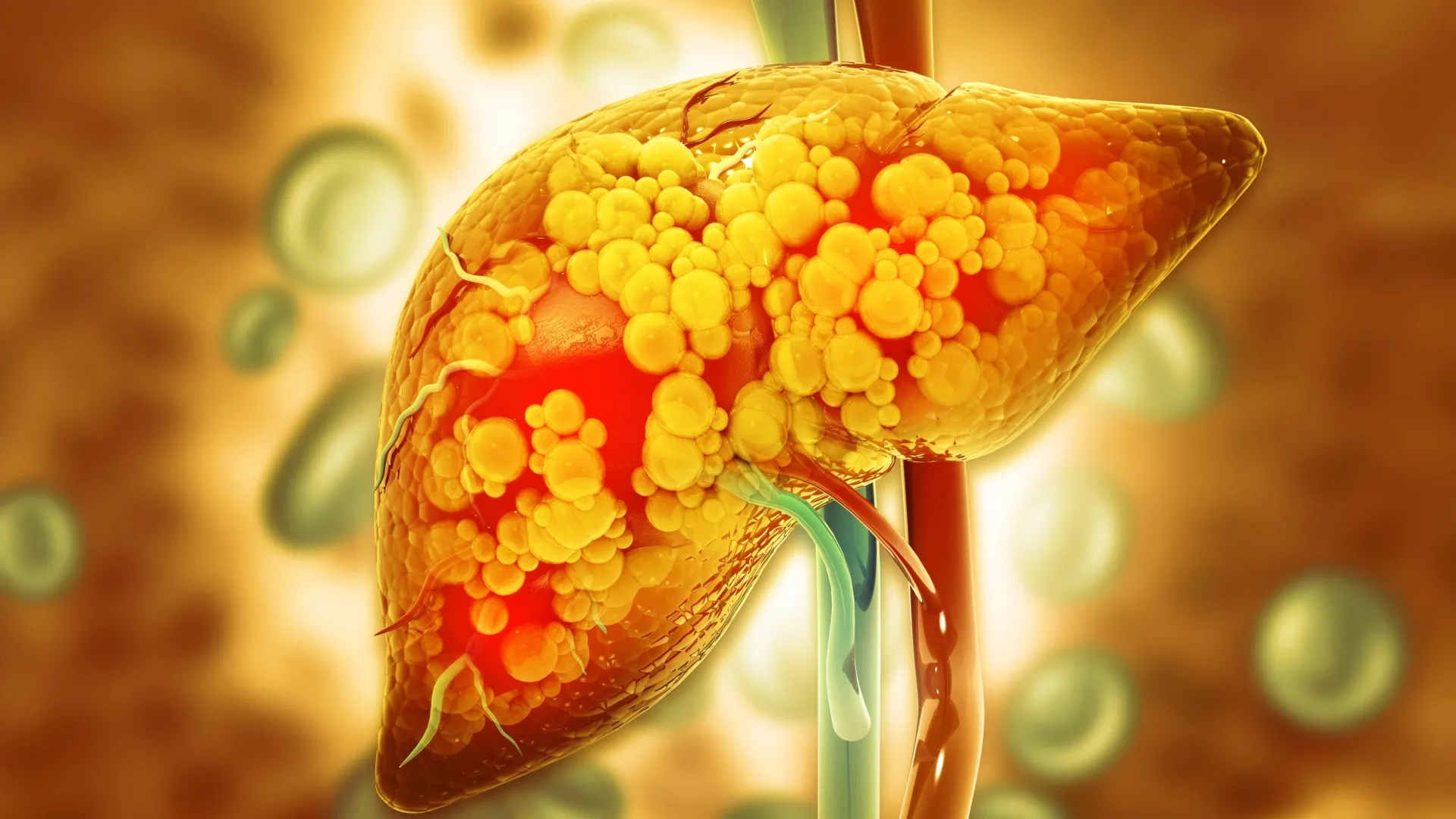
Research from the University of Oklahoma reveals that a compound produced by healthy gut bacteria may help protect against fatty liver disease in offspring, particularly in those whose mothers consume high-fat and high-sugar diets during pregnancy. The compound, known as indole, demonstrated significant health benefits in mice, suggesting a potential avenue for preventing liver-related health issues in children.
The study, published on February 8, 2026, explores the impact of maternal diets on liver health in offspring. Children whose mothers maintain poor dietary habits face an increased risk of developing fatty liver disease later in life. Dr. Jed Friedman, director of the OU Health Harold Hamm Diabetes Center, emphasizes the urgency of this issue, stating that the prevalence of metabolic dysfunction-associated steatotic liver disease (MASLD) is approximately 30% in obese children and around 10% in those without obesity.
Friedman and his colleague, Dr. Karen Jonscher, focused their research on the role of gut bacteria, or the microbiome, in the development of fatty liver disease. The study involved feeding pregnant and nursing mice a high-fat, high-sugar diet while administering indole to some of them. The offspring from these mothers were later weaned onto a standard diet, then switched to a Western-style diet known for its contribution to fatty liver disease.
The results were striking. Offspring that received indole showed healthier livers, gained less weight, and maintained lower blood sugar levels compared to those that did not. Notably, these offspring developed smaller fat cells and exhibited activation of a protective gut pathway involving the acyl hydrocarbon receptor (AHR). The study also found that levels of harmful long-chain ceramides did not increase, while beneficial very long-chain ceramides rose.
A further experiment involved transferring gut bacteria from the protected offspring to other mice that had not been exposed to indole. These mice also experienced reduced liver damage, reinforcing the notion that the microbiome plays a crucial protective role.
While the findings are based on animal models and cannot be directly applied to humans, they open the door to potential strategies for preventing MASLD. Currently, weight loss remains the only effective treatment for pediatric MASLD once diagnosed, and there are no approved medications available for this condition.
Dr. Jonscher notes, “Anything we can do to improve the mother’s microbiome may help prevent the development of MASLD in the offspring. That would be far better than trying to reverse the disease once it has already progressed.” This research highlights the importance of maternal health and nutrition during pregnancy, suggesting that interventions aimed at improving gut health could have lasting benefits for children’s liver health.
As the prevalence of liver disease continues to rise, particularly among children, these findings underscore the need for further research into dietary strategies and their long-term impact on health. The implications for public health could be significant, making a compelling case for prioritizing maternal health in efforts to combat childhood obesity and related diseases.