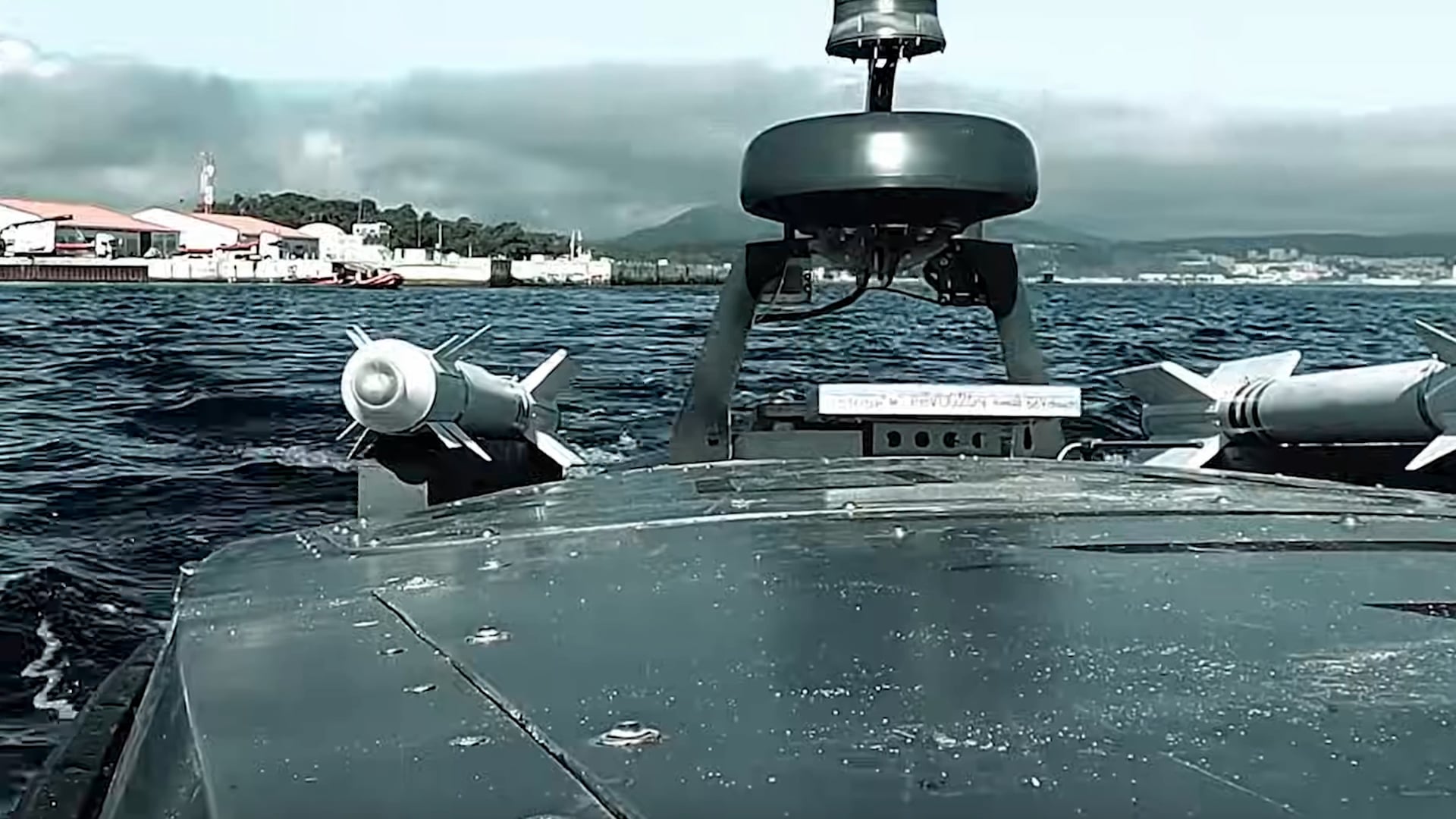
The landscape of naval warfare is on the brink of transformation as autonomous boats and drone swarms emerge as pivotal components in maritime operations. Speaking at the World Defense Show, Stan Nowak, Vice President of Marketing at Red Cat, highlighted the potential of these technologies to revolutionize naval strategies.
Future Operations and Strategic Advantages
Autonomous maritime vehicles promise to enhance operational efficiency and effectiveness within naval forces. Nowak emphasized that the integration of unmanned boats and drone swarms could provide significant strategic advantages. These vehicles can conduct reconnaissance missions, perform logistical support, and engage in combat scenarios with reduced risk to human life. The ability to deploy multiple drones in coordinated swarms could overwhelm adversaries while gathering critical intelligence.
The technology behind these systems is rapidly evolving. According to Nowak, advancements in artificial intelligence and sensor technology will allow for improved decision-making capabilities in real-time. This evolution is expected to lead to more sophisticated naval tactics, allowing for greater flexibility in various maritime environments.
Investment and Development in Naval Technologies
The increasing interest in autonomous maritime vehicles has resulted in substantial investments from both government and private sectors. Companies like Red Cat are at the forefront of developing these technologies, aiming to provide naval forces with the tools necessary for modern warfare.
As nations seek to enhance their naval capabilities, the demand for innovative solutions is set to grow. The military sector is expected to allocate significant portions of their budgets towards research and development in autonomous systems. This trend reflects a broader commitment to maintaining operational superiority on the global stage.
Nowak’s insights at the World Defense Show indicate a clear trajectory towards a more automated naval force. The potential for reduced operational costs and increased mission success rates makes a compelling case for the adoption of these technologies. As nations around the world invest in their naval capabilities, the future of warfare at sea is poised for a significant shift.
The collaboration between autonomous boats and drone swarms is not just a concept; it is becoming a reality that could redefine naval engagements in the years to come.