
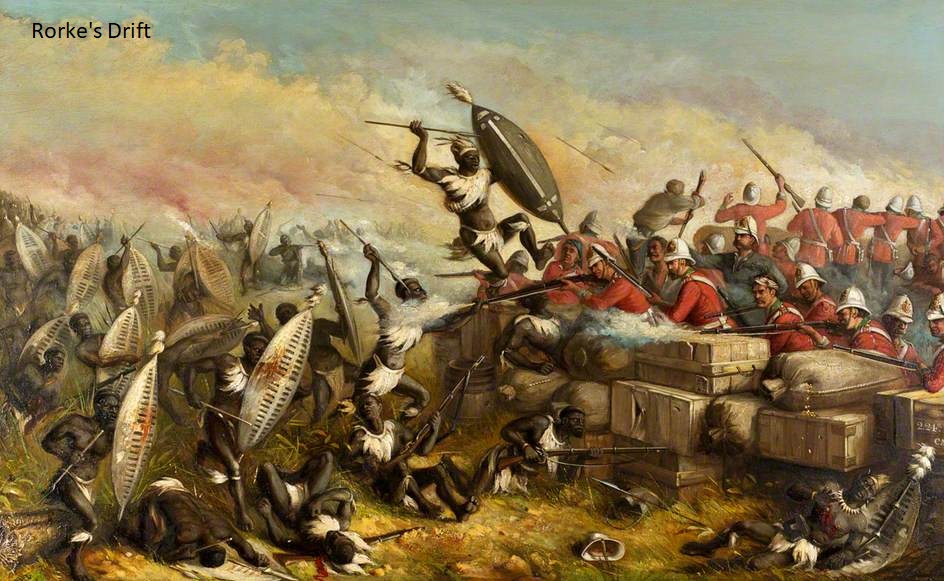
The Siege of Eshowe during the Anglo-Zulu War offers critical insights into how health logistics can dictate the outcome of military engagements. This historical analysis reveals that success in irregular warfare is grounded in resilient supply chains and effective health systems rather than solely on battlefield tactics. The introduction of the Health Counter Threat Finance (H-CTF) doctrine emphasizes the necessity of treating medical supply chains as strategic assets, essential for sustaining military operations.
The Context of Eshowe
The British campaign in South Africa in 1879 was marred by logistical challenges that were underestimated by military leadership. The conflict began with Sir Henry Bartle Frere’s ultimatum to the Zulu Kingdom on December 11, 1878, which was designed to provoke war. The British forces aimed to encircle the Zulu army and force a decisive battle at Ulundi. However, as history shows, the true adversary was not just the Zulu warriors but the harsh terrain and logistical shortcomings that plagued the British expedition.
The British Army’s supply lines, primarily reliant on ox-drawn wagons, faltered in the face of adverse weather conditions. The terrain, particularly during the rainy summer of 1879, transformed into a quagmire, severely hindering movement and resupply efforts. Eshowe, positioned on a high plateau approximately 35 miles from the border, was chosen as a critical supply depot. Its strategic value lay in its potential to serve as a fortified base for operations against the Zulus.
The Siege and Its Consequences
Colonel Charles Pearson’s forces reached Eshowe in January 1879, rapidly fortifying the position. Initially, the British garrison managed to repel Zulu forces, but the siege began on January 22 with the Battle of Nyezane. The encirclement by Zulu warriors cut off supply and communication lines, which ultimately led to dire consequences for the British troops.
While the British were fortified against direct attacks, they became increasingly vulnerable to disease due to poor sanitation and overcrowding. Historical records indicate that between 27 and 30 soldiers succumbed to illness, while only four died in combat. This grim statistic underscores the importance of health logistics in military campaigns. The failure to maintain hygiene and manage medical supplies transformed the garrison’s environment into a health crisis, compounding the challenges posed by enemy forces.
The psychological strain of isolation and dwindling supplies took a heavy toll on morale. As news of the disaster at Isandlwana reached the fort, despair set in among the defenders, who feared they were the last remnants of a failed invasion. Relief finally came on April 3, 1879, when Lord Chelmsford’s column broke the siege following the Battle of Gingindlovu. However, the garrison emerged in a state of disarray, ultimately leading to the abandonment of Eshowe just days later.
The rapid evacuation and subsequent destruction of the mission station by the Zulus underscored the significance of health logistics in military strategy. Had the British forces prioritized the integrity of their medical supply chains as they did with ammunition and other resources, they might have avoided the catastrophic outcomes experienced at Eshowe.
The lessons of the Siege of Eshowe remain relevant today, especially in modern military operations where health logistics continue to be overlooked. The H-CTF doctrine advocates for the protection of medical supply chains as pivotal to operational success. This framework highlights that the collapse of health logistics can prove as damaging as a battlefield defeat.
In conclusion, the Siege of Eshowe serves as a powerful reminder of the vital role that health logistics and morale play in warfare. The narrative of Eshowe emphasizes that sustaining supply lines and maintaining the health of troops can ultimately determine the success of military campaigns. As conflicts evolve, the principles derived from this historical event should guide contemporary military and humanitarian strategies, ensuring that health logistics are treated with the same strategic importance as other resources on the battlefield.


