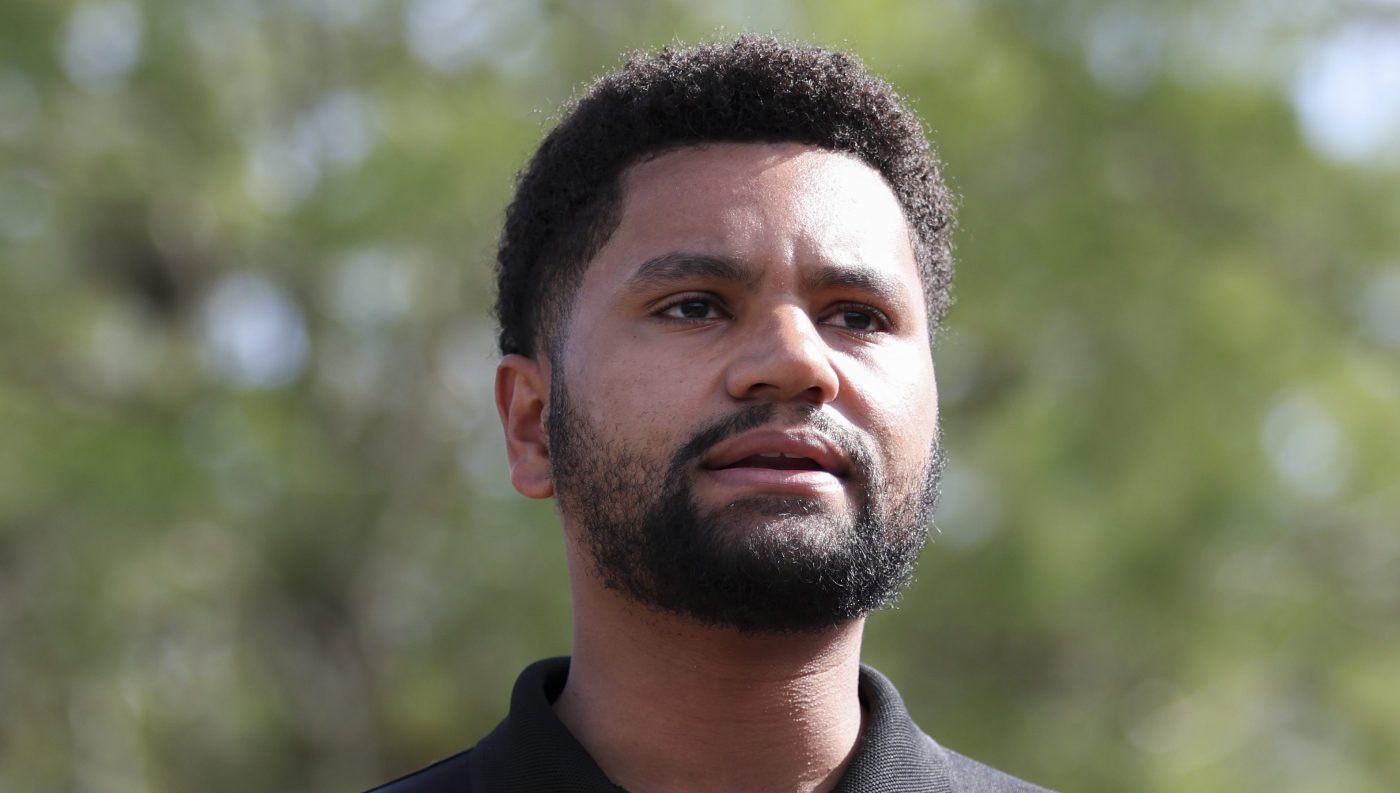
Dr. Jay Bhattacharya has been appointed as the new acting director of the Centers for Disease Control and Prevention (CDC) in Atlanta, according to an announcement made by a White House official. This appointment marks a significant change in leadership for the CDC, which has faced considerable challenges during the administration of President Donald Trump. Bhattacharya succeeds Jim O’Neill, who served as the acting director following the abrupt dismissal of former director Susan Monarez last summer.
Monarez’s tenure was cut short less than a month after her confirmation by the Senate. She was dismissed by Health Secretary Robert F. Kennedy Jr. after reportedly refusing to approve changes to the childhood vaccination schedule that lacked supporting data. Bhattacharya, a prominent health economist and professor at Stanford University, has been a vocal critic of the government’s COVID-19 policies, particularly regarding shutdowns and vaccine mandates.
Leadership Transition and Responsibilities
In his new role, Bhattacharya will continue to oversee his responsibilities as the director of the National Institutes of Health (NIH), the largest public funder of biomedical research in the United States. He will serve as the acting director of the CDC until a permanent replacement is nominated by Trump and confirmed by the U.S. Senate. The ongoing issues at the CDC come amid heightened scrutiny of public health policies, particularly regarding childhood vaccinations.
During a recent Senate hearing, Bhattacharya emphasized the importance of childhood measles vaccination, stating it is the most effective way to combat the measles epidemic in the country. He also testified that he has not seen any credible evidence linking vaccines to autism, a statement that reinforces his commitment to vaccine advocacy in the face of misinformation.
Future Developments
The transition in leadership comes as Georgia prepares for a high-profile gubernatorial race. On Sunday, Gavin Newsom is set to campaign for Democrat Keisha Lance Bottoms, further intensifying the political landscape. Following O’Neill’s departure from the CDC, he is expected to be nominated as the next head of the National Science Foundation, according to the same White House official.
This leadership change at the CDC reflects the ongoing evolution of public health governance in the United States, particularly as the nation navigates the complexities of health policy and vaccination strategies. With Bhattacharya at the helm, the CDC may shift its focus towards addressing vaccine hesitancy and reinforcing public trust in health initiatives.