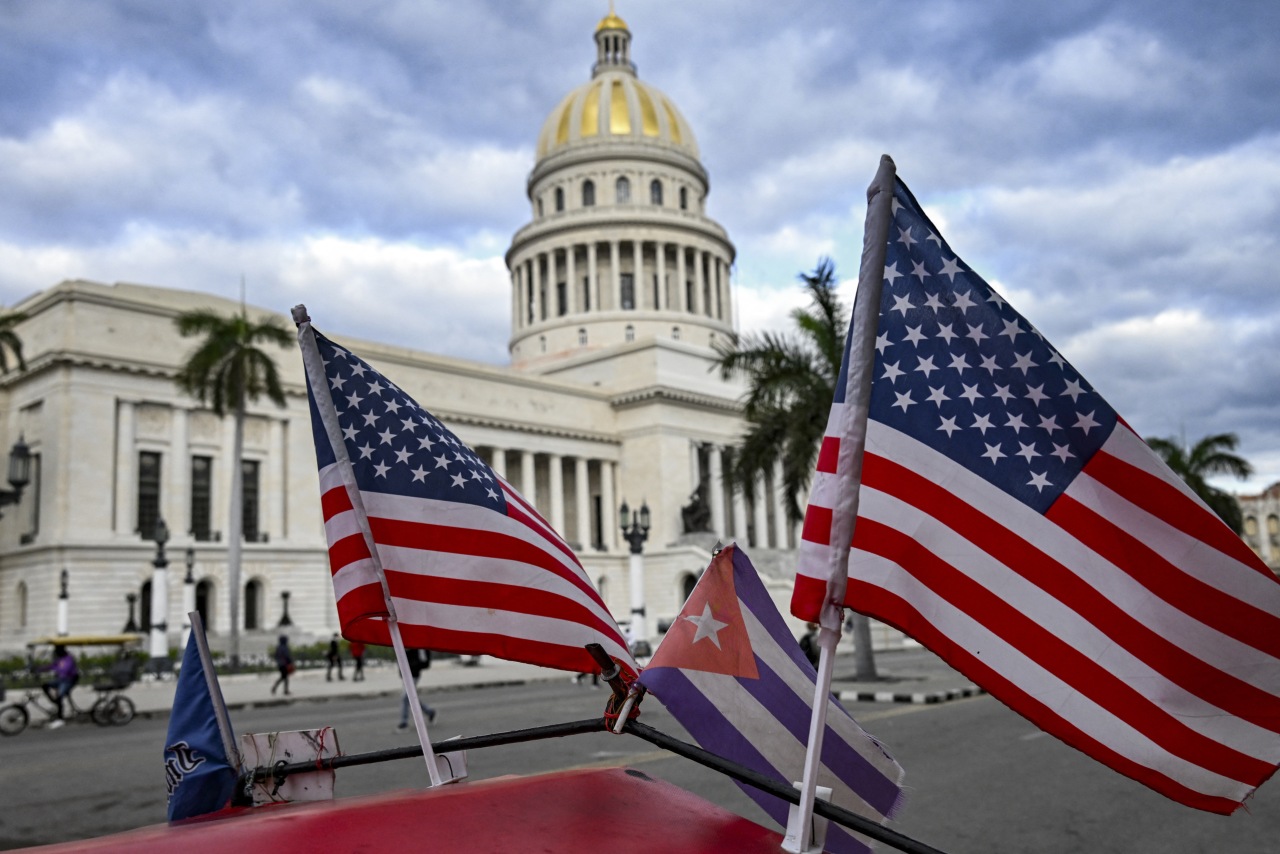
Recent developments in Cuba have intensified discussions about the future of the island, particularly in the context of the upcoming U.S. presidential election in 2024. The Cuban regime is facing mounting challenges, including widespread protests and economic hardship, leading to speculation about whether former President Donald Trump will seek to leverage this situation for political gain.
The Cuban government has been under significant pressure due to a combination of factors, including severe economic crises exacerbated by ongoing U.S. sanctions and the impact of the COVID-19 pandemic. Many Cubans are demanding political reform and greater freedoms, with protests erupting in cities such as Havana in September 2023. These movements reflect a growing frustration with the regime’s inability to address basic needs and human rights concerns.
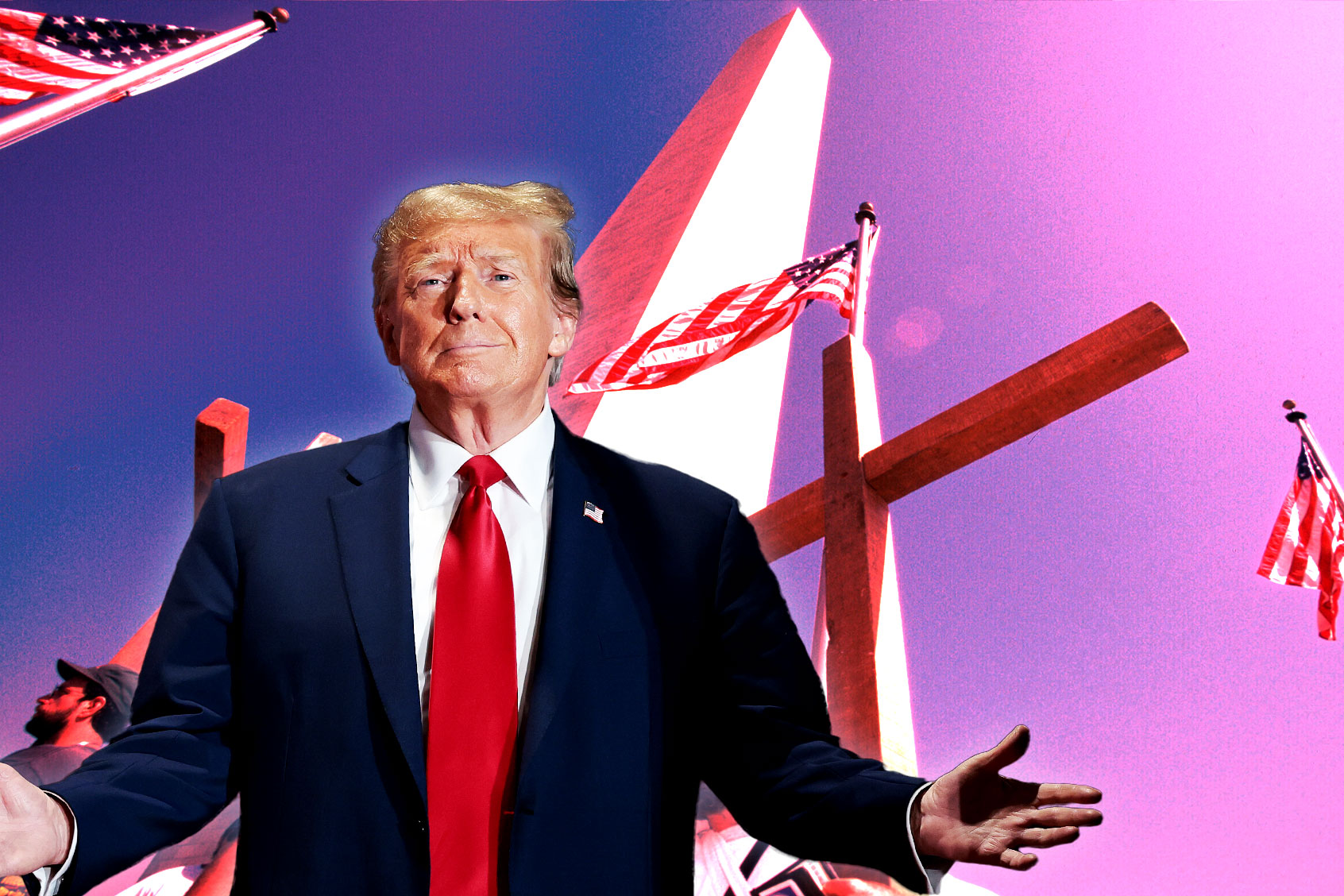
As Trump prepares for a potential return to the White House, his stance on Cuba remains a pivotal issue. Some analysts suggest he may have the opportunity to advocate for a more open policy towards the island, aiming to support the Cuban people while also appealing to Cuban-Americans in Florida, a critical voting bloc. Trump’s previous administration tightened restrictions on Cuba, but the current circumstances could prompt a reassessment of that strategy.
The U.S. Congress is also watching closely. Bipartisan support exists for various measures aimed at promoting democracy and human rights in Cuba. Lawmakers may push for actions that would provide humanitarian assistance or ease some sanctions, contingent upon the regime’s response to ongoing protests.
At the heart of the discussion is the complex relationship between the U.S. and Cuba, marked by decades of political tension. The outcome of Trump’s potential policies could significantly impact both nations. Critics of the Cuban government argue that the regime’s collapse is imminent, yet there are concerns about what a power vacuum might mean for regional stability.
As the political landscape evolves, the fate of Cuba remains uncertain. Will Trump seize the opportunity to advocate for change, or will he be tempted into negotiations with the regime? The implications of his decisions could resonate far beyond the shores of Cuba, affecting U.S. relations in the broader Latin American region.
With the 2024 election approaching, the international community is closely monitoring the situation. The Cuban people are at a crossroads, facing the possibility of either reform or continued repression. The decisions made by U.S. leaders in the coming months will play a crucial role in shaping their future.