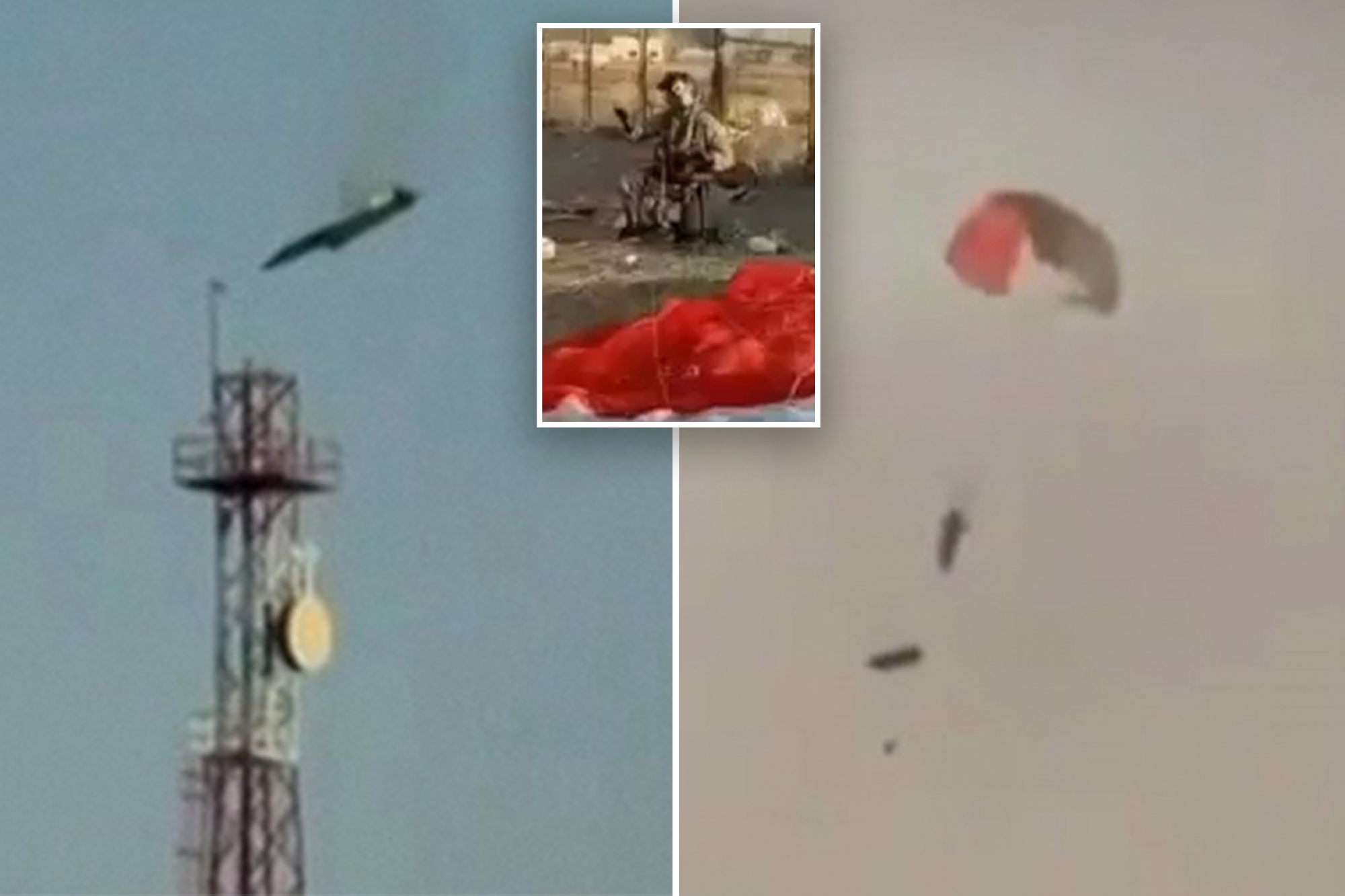
American pilots flying F-15E Strike Eagle jets were mistakenly shot down over Kuwait on March 15, 2024, during an Iranian attack on the U.S. ally. The pilots received immediate assistance from local residents, who initially feared they were Iranian combatants. This incident has highlighted the longstanding relationship between Kuwait and the United States, particularly in times of conflict.
After the pilots ejected from their aircraft, videos circulated showing their interactions with local Kuwaitis. Many locals expressed relief upon confirming the pilots were American rather than Iranian. The situation unfolded amid active combat, which included assaults from Iranian aircraft and missiles. According to a statement from U.S. Central Command (CENTCOM), Kuwaiti air defenses mistakenly targeted the American jets.
The F-15E jets, valued at approximately $31 million each, crashed near areas populated by civilians. Kuwaiti authorities promptly deployed rescue teams to assist the downed pilots. One video showed a group of Kuwaitis initially confronting a pilot with suspicion before realizing he was American. Another clip depicted a Kuwaiti man rushing to help a female pilot who had landed in a barren field, expressing gratitude for the U.S. military’s role in the ongoing conflict.
The concept of “blood chits,” which American pilots have carried for decades, may have played a role in this incident. These documents promise rewards from the U.S. government for assistance rendered to downed pilots. The origins of blood chits date back to the British Army in 1842 and were adopted by the U.S. military during World War II. Although it is unclear whether the pilots involved in this incident had blood chits with them, they have historically facilitated safe passage for American servicemen behind enemy lines.
All six crew members aboard the F-15E jets safely ejected and were later taken to medical facilities, where they were reported to be in stable condition. Images of their encounters with local residents have circulated widely on social media, revealing both the tension and eventual cooperation between the pilots and the Kuwaiti citizens.
As Kuwait investigates the incident, CENTCOM expressed appreciation for the swift actions of Kuwaiti defense forces. The country has been a major non-NATO ally of the United States since the Gulf War, which saw coalition forces liberate Kuwait from Iraqi occupation in 1991. This close partnership has made Kuwait a target for Iranian retaliation, particularly in light of recent hostilities that have resulted in numerous injuries and fatalities among civilians and military personnel.
In summary, the downing of the American jets and the subsequent rescue efforts underscore the complex dynamics of Middle Eastern geopolitics. The cooperation between U.S. pilots and Kuwaiti locals reflects a shared history and mutual interests, even in the face of conflict.