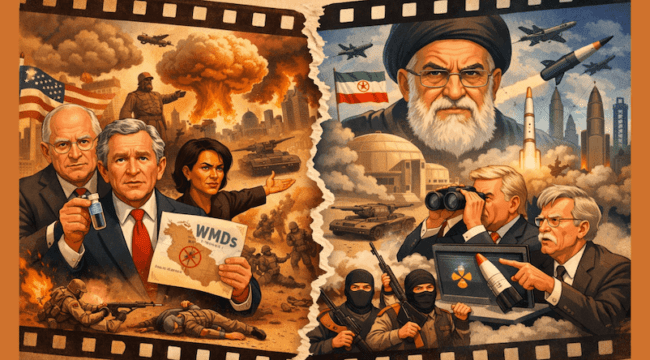
UPDATE: New reports confirm escalating tensions with Iran as officials warn the regime could be “just a week away” from developing nuclear weapons. This alarming claim echoes similar rhetoric from the early 2000s regarding Iraq, raising significant concerns about the potential for military action.
The implications of these developments are profound and immediate. With 4,500 American soldiers lost during the Iraq conflict and estimates of up to 1,000,000 Iraqi casualties, many are questioning whether history is repeating itself. The urgency of the situation cannot be overstated: if Iran’s nuclear ambitions are real, the consequences could be catastrophic.
Current intelligence suggests Iran possesses materials sufficient for 11 nuclear weapons and has long-range missiles capable of reaching the U.S. mainland. Yet, just as in October 2002, when false claims about Saddam Hussein’s weapons-of-mass-destruction led to war, skepticism abounds regarding the accuracy of these assessments.
Critics argue that the narrative surrounding Iran mirrors that of Iraq, where the public was misled into supporting a war based on inflated threats. Condoleezza Rice famously stated, “We cannot wait for the smoking gun to be a mushroom cloud,” a phrase that incited fear and urgency. Now, similar fear tactics are being employed against Iran, prompting the question: how credible are these claims?
The Trump administration has taken an aggressive stance, launching military operations that are described as “limited.” However, reports indicate that the target list has expanded to include Iran’s entire nuclear program, ballistic missile arsenal, and military infrastructure, raising concerns about mission creep.
Political analysts warn that the current environment is rife with uncertainty. The use of social media platforms to announce military actions has created a fragmented narrative, leaving the public unsure about the true objectives and extent of the U.S. operations in the region. As Reuters reported, aides within the administration are actively debating the scope and duration of the conflict, indicating a lack of clarity at the highest levels.
The structural incentives driving U.S. foreign policy have not changed since the Iraq war. Politicians often inflate threats to galvanize public support, knowing that expressing caution may be perceived as weak. This dynamic raises serious questions about the motives behind the current narrative concerning Iran.
Meanwhile, experts on Iranian missile capabilities and nuclear timelines are voicing their concerns about the reliability of the intelligence being presented to the public. The lack of transparency has led many to demand clearer answers before any military commitments are made.
The stakes are high, and the potential for another prolonged conflict looms large. As history has shown, the consequences of military action based on questionable intelligence can be devastating. The American public is left grappling with the implications of this renewed urgency, echoing the sentiments of those who have witnessed the fallout from the Iraq war.
As tensions rise, the call for clarity and accountability grows louder. The American people are urged to remain vigilant and informed, demanding evidence before endorsing any military intervention. With the specter of a repeat of the Iraq war hanging in the air, it’s crucial to critically assess the unfolding narrative and its implications for international peace and security.
Stay tuned for updates as this situation continues to develop, and be prepared for further revelations regarding the true nature of Iran’s nuclear capabilities and the U.S. response. The world is watching, and your awareness could make all the difference in the unfolding saga.