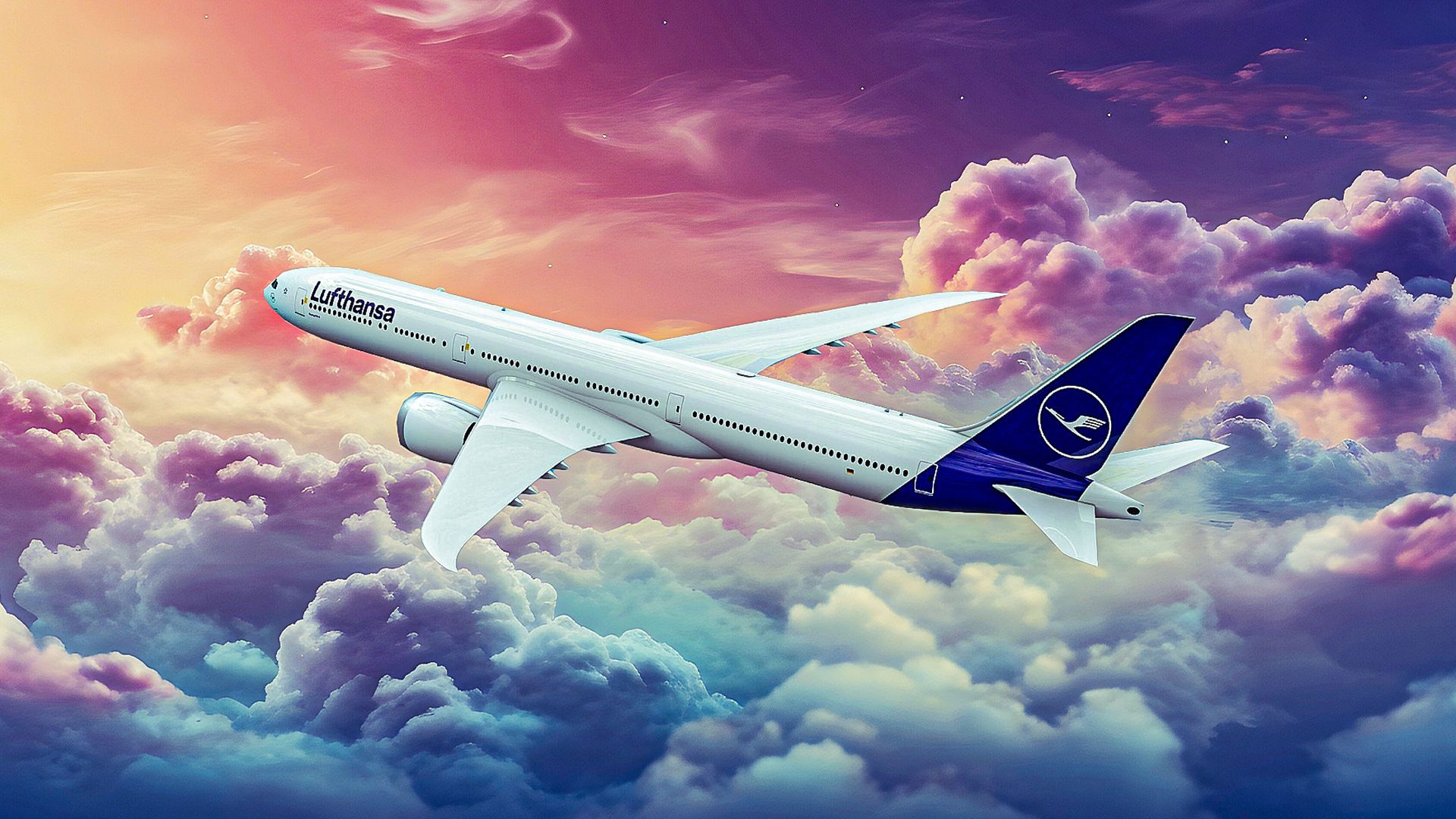
Lufthansa has officially committed to integrating the Boeing 777X into its passenger fleet, marking a significant shift in the airline’s long-standing strategy. Historically, Lufthansa had not seen the need to acquire Boeing 777 aircraft, as its existing fleet, particularly the Boeing 747, sufficiently covered high-capacity routes. This decision reflects a broader transition in Lufthansa’s fleet management as it phases out older four-engine aircraft in favor of more efficient twin-engine models.
Transitioning Fleet Dynamics
With the introduction of the Boeing 777-9, Lufthansa is set to fill a capacity gap left by retiring four-engine aircraft. The airline currently operates the Boeing 747-400 and 747-8, which are being gradually phased out. Lufthansa has emphasized the need for modern aircraft with better fuel efficiency and range. The Boeing 777-9 is positioned to meet these demands effectively. Boeing has identified Lufthansa as the launch operator for this model, with plans to incorporate it into its long-haul service by 2027.
Lufthansa’s long-haul strategy has traditionally revolved around a hub-and-spoke model, optimally designed for high-frequency connections rather than point-to-point services. Its primary European hub is Frankfurt, complemented by Munich, which enhances the airline’s ability to serve a wide array of international destinations. This strategy aligns with Lufthansa’s reliance on its status as a core member of the Star Alliance, allowing for coordinated schedules and joint ventures, particularly across the North Atlantic.
Current Fleet Composition
Lufthansa’s current widebody fleet is notably diverse, featuring aircraft that cater to various mission profiles. The fleet includes eight Airbus A380-800s, 19 Boeing 747-8s, and several other models, such as the Airbus A350-900 and Boeing 787-9. The airline’s ability to operate both large and smaller aircraft allows it to manage capacity effectively, adapting to demand fluctuations.
The following table illustrates Lufthansa’s widebody fleet composition:
– Airbus A380-800: 8
– Boeing 747-8: 19
– Boeing 747-400: 8
– Airbus A340-600: 5
– Airbus A350-900: 31
– Boeing 787-9: 13
– Airbus A340-300: 14
– Airbus A330-300: 7
The airline has maintained older aircraft, such as the Airbus A380, through significant cabin upgrades, ensuring they remain competitive as newer models join the fleet. This strategic approach has delayed the need for a Boeing 777 acquisition until now.
The historical rationale for not including the Boeing 777 in Lufthansa’s fleet was clear. Over the past two decades, the airline effectively utilized the Boeing 747 and Airbus models that covered similar operational needs. The Boeing 777-300ER, favored by other carriers, was unnecessary given Lufthansa’s existing capabilities.
With the retirement of older, less efficient aircraft, the introduction of the Boeing 777-9 becomes essential. This model is designed to handle high-density routes with improved operational economics, which aligns with Lufthansa’s evolving fleet strategy.
Future Destination Plans
While Lufthansa has not yet disclosed a detailed network plan for the Boeing 777-9, industry analysts anticipate that it will be deployed on high-demand trunk routes. Historically, the airline has concentrated its largest aircraft on premium-heavy markets, particularly those constrained by slot availability.
For instance, Lufthansa’s Airbus A380s currently serve key markets in the United States and India, including cities like Los Angeles, Boston, and Delhi. It is reasonable to expect that the Boeing 777-9 will follow a similar deployment pattern, focusing on routes where demand is robust and capacity is critical.
The introduction of the Boeing 777-9 signifies a notable evolution in Lufthansa’s fleet strategy. As the airline seeks to modernize its offerings and enhance efficiency, the acquisition of this aircraft represents a forward-looking approach to meeting the demands of global air travel.
In conclusion, Lufthansa’s decision to integrate the Boeing 777X is a reflection of changing market dynamics and evolving operational needs. The airline’s commitment to modernizing its fleet signifies its intent to maintain competitiveness in the international aviation landscape while ensuring flexibility in responding to passenger demand.