The United States is exploring an innovative insurance program to mitigate rising oil prices that have been affected by escalating tensions in the Gulf region, particularly following recent strikes related to Iran. Stephen Moore, co-founder of Unleash Prosperity, emphasized that the record production of oil and gas in the U.S. could help counteract the turmoil in the Middle East. This initiative aims to ensure a steady flow of oil through critical maritime routes while preventing significant spikes in gasoline prices.
Insurance as a Strategic Tool
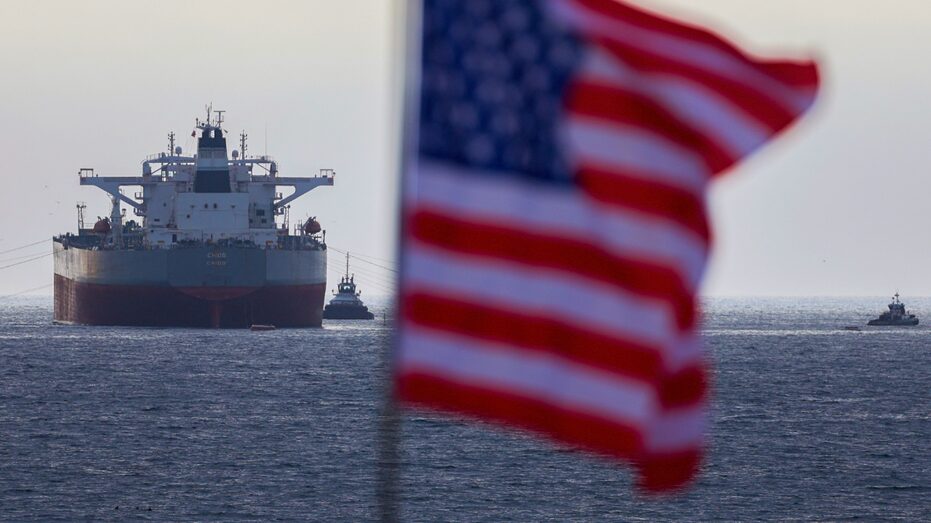
The Strait of Hormuz, a vital maritime corridor located between Iran and Oman, carries about 20 million barrels of oil daily, which accounts for roughly one-fifth of the global liquefied natural gas supply. Disruptions in this region can send tremors through global markets, heightening concerns among shippers and insurers alike. With the conflict intensifying, the White House is considering government-backed insurance to lower war-risk premiums for vessels operating in the area.
In this context, President Donald Trump proposed that the government absorb part of potential losses, alleviating the financial burden on private insurers and shipowners. The rationale is straightforward: as the perceived risk increases, so do insurance costs, consequently raising shipping expenses. This can lead to delays in oil deliveries, further tightening supply and elevating crude prices despite unchanged production levels.
Recent events, notably the U.S.-Israeli strikes on February 27, 2026, and subsequent Iranian retaliatory attacks, have prompted shippers and insurers to reassess the safety of navigating these waters.
Insurance Market Response
The maritime insurance sector has started to react to these developments. Major insurers, including Gard, Skuld, NorthStandard, and the London P&I Club, have canceled war-risk coverage for voyages through Iranian and nearby waters. This cancellation leaves many ships unprotected, heightening the stakes for companies looking to transport oil through this crucial passage.
Despite the challenges, some coverage remains intact. Lloyd’s of London reported that its vessels operating in the Gulf region hold a combined hull value exceeding $25 billion and that discussions with U.S. officials about potential insurance options are ongoing. A spokesperson from Lloyd’s noted the importance of insurance for vessels in this high-risk area.
Matt Smith, an analyst at Kpler, highlighted the necessity of insurance for ships navigating the Strait of Hormuz. He stated, “It’s essential for all of these tankers to have insurance. You simply cannot pass through the Strait of Hormuz if you don’t have the insurance, given the high possibility of getting struck by a missile.” He added that while insurance provides some level of protection, it does little to comfort crew members amid the threat of attacks.
In response to the escalating risks, Maersk, a key player in global shipping, announced it would suspend all vessel crossings through the Strait of Hormuz until further notice. The company also warned of potential delays in service to Arabian Gulf ports.
The ripple effects of these decisions can be immediate. If oil shipments become more expensive or delayed, these costs can quickly filter through supply chains and ultimately impact consumers at the pump.
As the situation develops, the duration of the current disruptions and the stabilization of shipping and insurance markets remain critical factors. The world’s most significant energy chokepoint continues to keep traders and drivers on alert, with potential implications for global oil prices and market stability in the coming weeks.