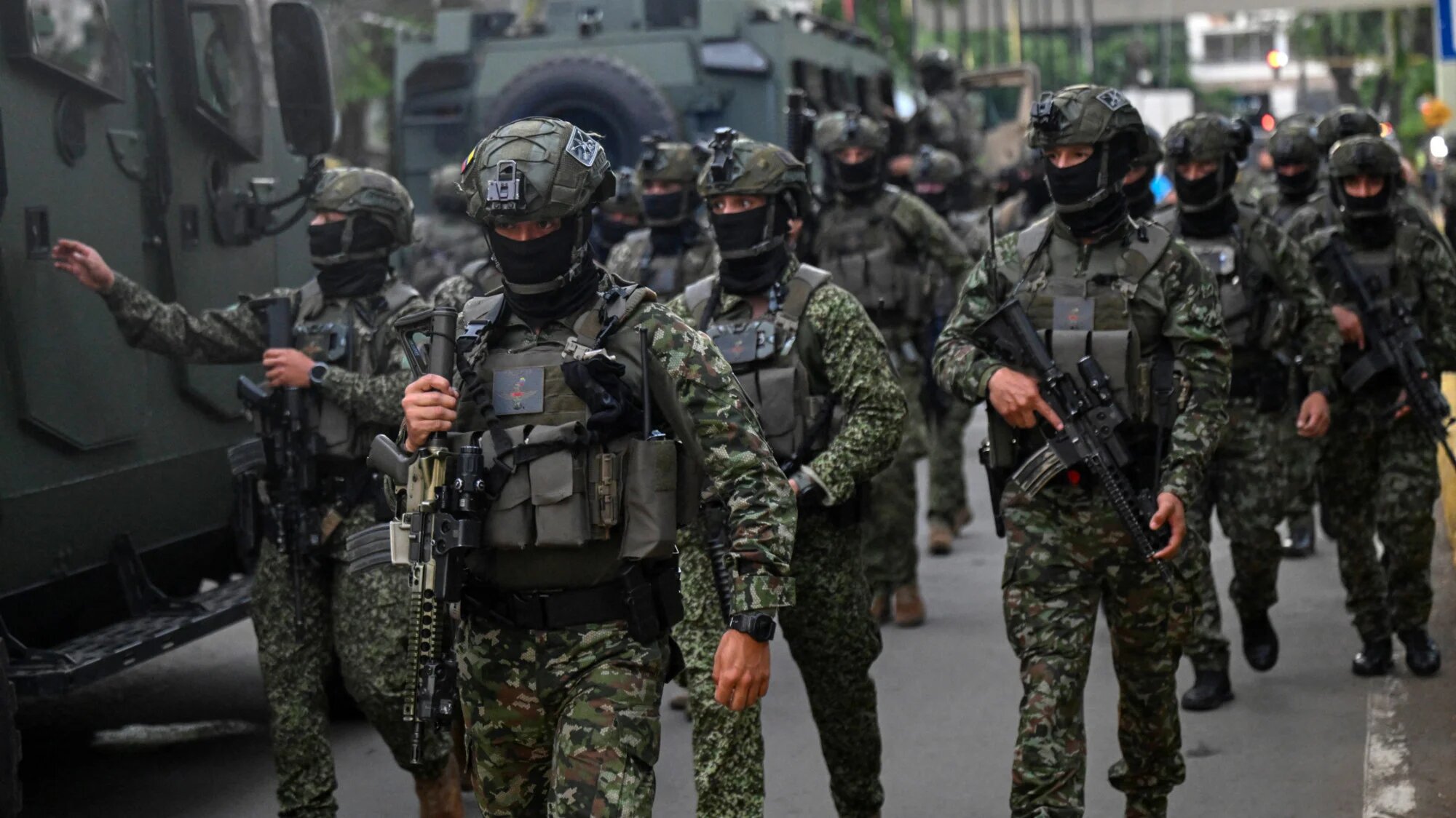
The phenomenon of Colombian mercenaries operating in conflict zones worldwide has gained significant attention, particularly in light of the ongoing war in Ukraine. According to a detailed analysis by Henry Suckow Ziemer in the World of Crime Newsletter, thousands of former Colombian soldiers are now deployed in various regions, including Ukraine, North Africa, and Mexico. These individuals often serve with state militaries, work for private security firms, or, in some cases, align with criminal organizations such as the Jalisco New Generation Cartel.
Understanding the Mercenary Pipeline
The export of Colombian military labor can be traced to a combination of structural factors, primarily the supply and demand dynamics within Colombia. Each year, the country retires approximately 10,000 service members, many of whom are in their early forties and face limited pension benefits and poor civilian job prospects. The legacy of Plan Colombia and early recruitment efforts by private military firms like Blackwater have created an environment where overseas contracting is normalized. Subsequent initiatives linked to the United Arab Emirates have further entrenched this market, embedding Colombian veterans in military campaigns in Yemen and Sudan. As a result, a robust recruitment ecosystem has developed, sustained by personal networks and recommendations.
Combat Skills Meet Criminal Demand
The ongoing conflict in Ukraine has equipped Colombian veterans with advanced combat skills, including drone operations and trench warfare, enhancing their resumes. These capabilities are becoming increasingly attractive to criminal organizations, particularly in Mexico, where cartels are actively seeking tactical innovations. The recruitment of former soldiers who have fought in Ukraine is accelerating the adoption of armed drone techniques in the Western Hemisphere. This transfer of knowledge poses a risk of these advanced tactics re-entering Colombia, where armed groups such as the National Liberation Army and dissidents from FARC are already experimenting with unmanned systems.
The implications of these developments suggest that the Americas may be transitioning into a security landscape dominated by private contractors. Both government entities and corporations are likely to continue relying on private forces to mitigate risks, a trend mirrored by criminal organizations. This shift results in a more fluid and less regulated marketplace for violence, positioning Colombian veterans at the forefront of this evolving dynamic.
The global export of Colombian mercenaries signifies a complex interplay of military experience and economic necessity, transforming the landscape of conflict in multiple regions. As this trend continues to unfold, the impact on both local and international security will warrant close observation.