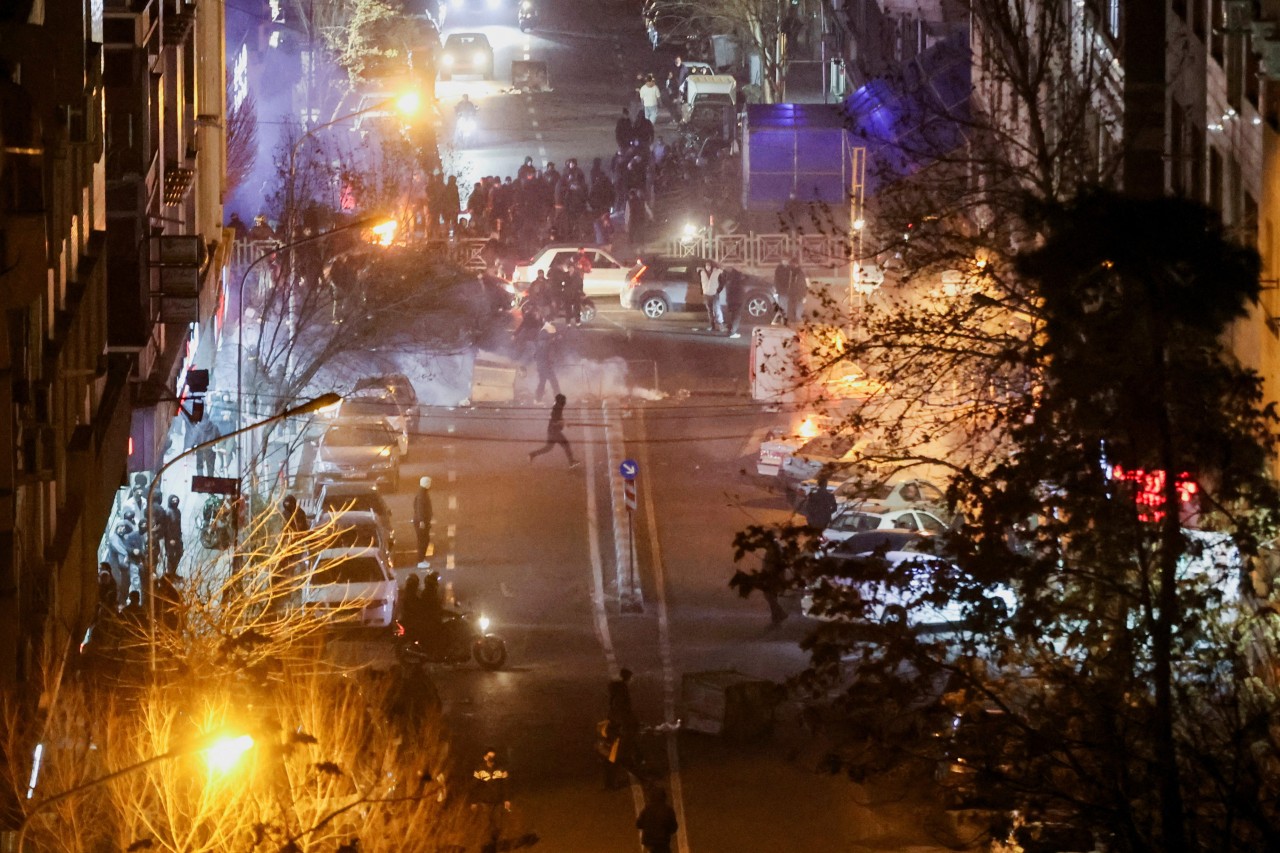
U.S. President Donald Trump is reportedly receiving increasing pressure from his advisors to find a way to withdraw American forces from Iran. As concerns grow over potential political backlash, the president expressed optimism that the conflict could conclude “very soon” during a press briefing on July 3, 2024.
The ongoing military engagement in Iran has sparked debate within the White House and among members of U.S. Congress. Trump’s advisors believe that a prolonged presence could have significant repercussions for the upcoming election cycle. They are advocating for a strategy that allows for a safe exit, balancing national security interests and domestic political realities.
During his briefing, Trump stated, “I think we can wrap this up shortly,” a sentiment echoed by some military officials who believe that a resolution may be within reach. However, the situation on the ground remains complex, with various factions and geopolitical interests at play.
Political Ramifications and Military Strategy
Political analysts highlight the potential risks associated with an extended military involvement in Iran. According to a recent poll, approximately 60% of American voters express disapproval of the current military strategy. This discontent could translate into electoral consequences for Trump and the Republican Party if not addressed.
Advisors have emphasized the necessity of a clear exit strategy that minimizes the risk of chaos following a withdrawal. The situation in Iran continues to evolve rapidly, with various factions vying for power and influence. The U.S. military remains focused on ensuring stability in the region while preparing for a potential exit.
Several advisors have suggested that Trump could announce a phased withdrawal plan in the upcoming weeks. This approach would aim to reassure both the American public and international allies that the U.S. remains committed to regional stability even as forces are drawn down.
International Reactions and Future Implications
The international community is closely monitoring the situation. Allies in Europe and the Middle East have expressed concerns about the implications of a sudden U.S. withdrawal. Diplomats warn that a hasty exit could lead to increased violence and instability in the region.
In light of these complex dynamics, Trump’s administration faces a delicate balancing act. The president’s words may reflect his desire to project strength while simultaneously responding to the pressures of public opinion and political accountability.
As the situation develops, the administration’s next steps regarding Iran will be crucial in shaping both foreign policy and domestic political landscapes. The prospect of a resolution looms, but the path forward remains uncertain.