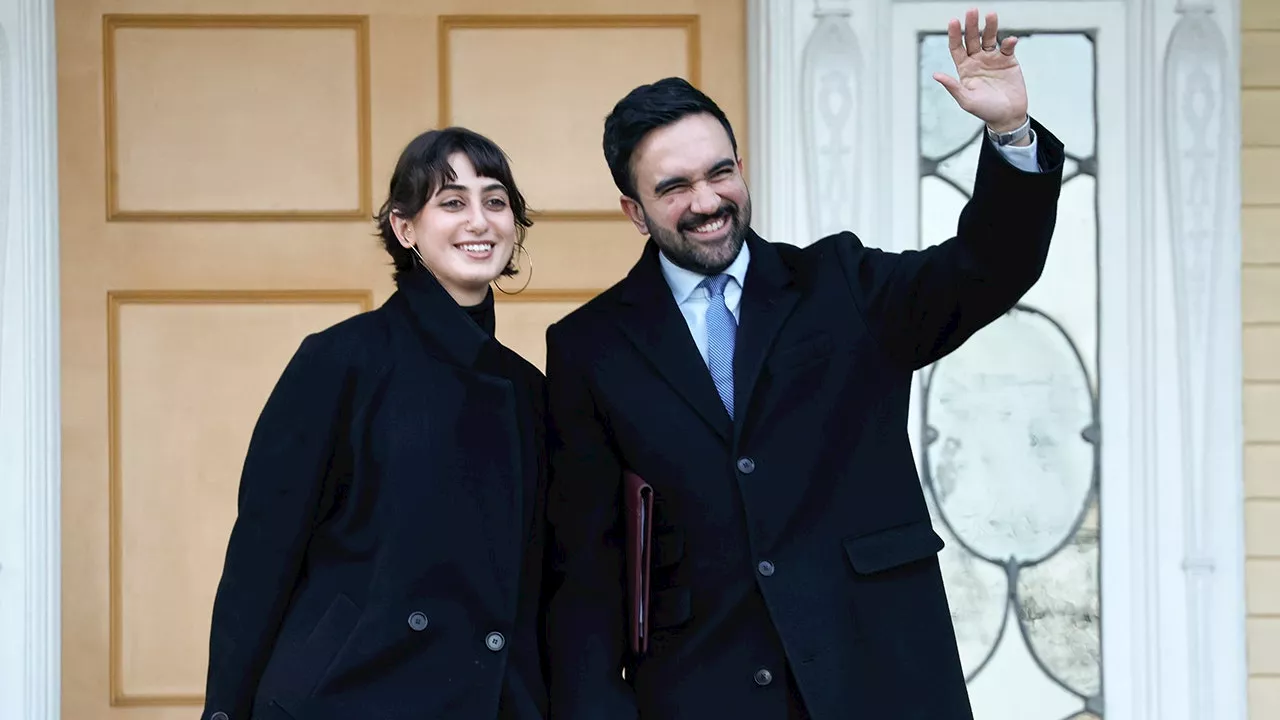
Critics from privileged backgrounds are increasingly questioning the values of the United States, sparking debate over the motivations behind their sentiments. Prominent figures such as New York City’s first Muslim mayor, Zohran Mamdani, and activist Mahmoud Khalil exemplify this trend. Both have enjoyed significant opportunities afforded by American society, yet they express critical views that some argue contradict their privileged status.
Mamdani, who has been in the spotlight for his political actions and rhetoric, came from a background that many would consider advantageous. His wife, Rama Duwaji, recently drew attention for liking a tweet that described the October 7, 2023, Hamas attack on Israel as a hoax. This incident has raised eyebrows, prompting questions about the implications of their public stances on issues related to Israel and anti-Semitism.
The Anti-Defamation League (ADL) has reported that a significant portion of Mamdani’s transition appointees have documented anti-Zionist ties, further complicating the narrative around his leadership. The juxtaposition of Mamdani’s privileged upbringing and his vocal criticism of American values raises an essential question: why do individuals like him and Khalil harbor such strong negative sentiments toward a nation that has provided them with ample opportunities?
Khalil, educated at both the American University in Lebanon and Columbia University, has also been noted for leading protests that challenge Western civilization. His actions, viewed by many as inflammatory, contribute to a growing concern about the motivations of those who, despite their successes, seem to reject the values that enabled their achievements.
Images from Gracie Mansion, where Mamdani has hosted Ramadan celebrations, have further fueled public discourse. Observers note that these gatherings often include prominent figures who have called for significant changes to American culture. Mamdani has been vocal about the growth of Islam in New York, noting, “Mosques popping up all over New York. It’s beautiful. It’s a sign of our community growing stronger every day.” Such statements have led some to connect his cultural celebrations with political statements that challenge the status quo.
The situation becomes increasingly complex when examining the recent actions of alleged ISIS-inspired individuals from affluent areas in Pennsylvania. These young men, coming from backgrounds of relative privilege, are accused of planning to attack American institutions. Their motivations remain a topic of intense scrutiny, especially given their access to resources that many in the country lack.
As communities express concerns about the assimilation of Muslim populations in places like Cedar Riverside in Minneapolis, the question arises: what is the nature of the allegiance of individuals who have benefited greatly from American society yet advocate for its downfall? Critics argue that this reflects a broader discontent with the American capitalist system, which many perceive as incompatible with their values.
The historical context is significant. When John F. Kennedy entered the political arena as a Catholic, he famously stated that his religion would not affect his duties as president. In contrast, Mamdani appears to embrace his identity as a defining characteristic of his political persona, drawing attention from both supporters and critics.
The links between criticism of the U.S. and anti-Semitism are becoming increasingly evident, as noted by various commentators who suggest that disdain for America and animosity towards Jewish communities often coincide. This perspective raises alarms about the potential for escalating tensions in multicultural societies.
As American society grapples with these issues, the apparent lack of gratitude displayed by some privileged individuals towards the country that has afforded them success continues to evoke strong reactions. The phenomenon of prominent critics emerging from wealthy backgrounds is sparking a broader discourse about patriotism, identity, and the responsibilities that come with privilege.
In conclusion, the motivations behind the actions of figures like Mamdani and Khalil prompt a deeper examination of societal values and the complex relationship between privilege and criticism in contemporary America. The growing divide between those who benefit from the system and those who challenge it may ultimately shape the future of American discourse on identity and belonging.