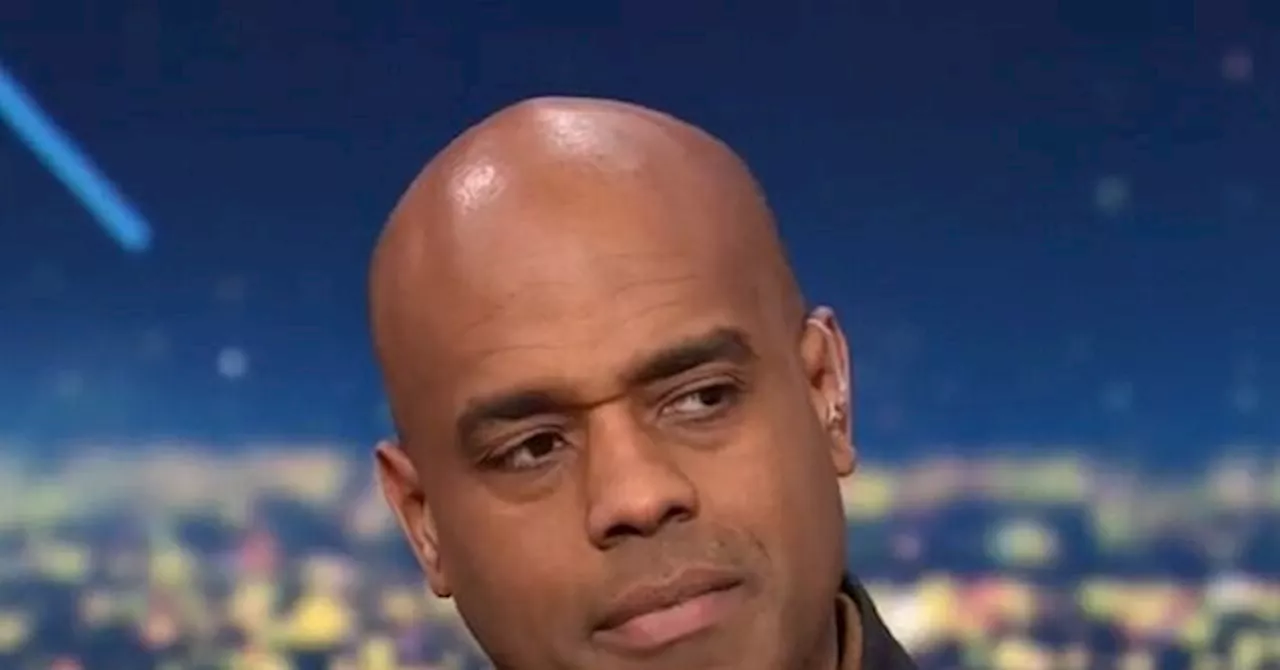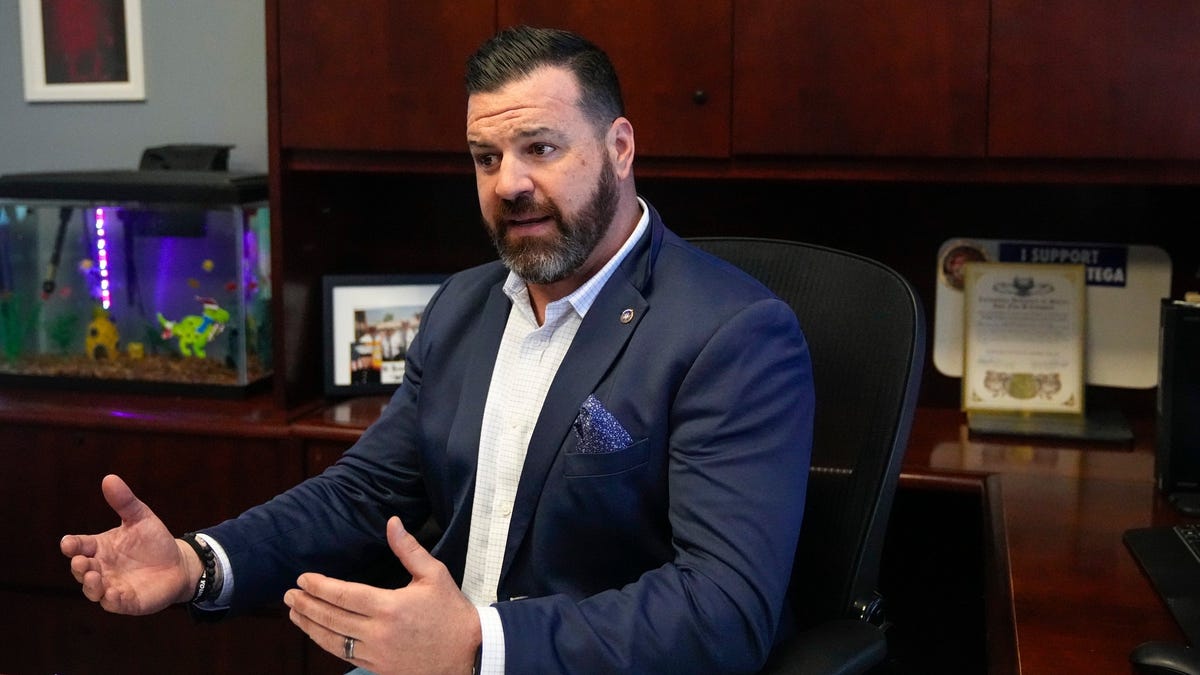
The president of the Fraternal Order of Police (FOP) Capital City Lodge 9, Brian Steel, has ignited a firestorm following inflammatory and racially charged remarks directed at Sean Walton, attorney for the family of Casey Goodson Jr., after a recent recklessness homicide conviction.
Steel, speaking after the conviction of former Franklin County deputy Jason Meade in Goodson’s December 2020 shooting death, described Walton as a “poverty pimp” in a “$3,000 suit,” comments widely condemned as divisive and racist.
Outrage Erupts Over FOP President’s Remarks
The explosive comment was issued in the aftermath of Meade’s conviction, a rare police accountability measure that many advocates say remains more exception than rule. Goodson, 23, was fatally shot with several bullets, including five to his back, sparking national discussions about police use of deadly force.
Judson L. Jeffries, an African American studies professor at Ohio State University and regular Columbus Dispatch contributor, sharply criticized the FOP president’s language. Jeffries called the words a painful throwback to an era marred by racial injustice and warned it threatens the unity desperately needed amid rising tensions between communities and law enforcement.
“The FOP leader’s incendiary words are exactly the kind of racially charged and divisive language that serves to drive a wedge between the city’s residents at a time when unity is what is needed most,” said Jeffries.
Conviction Seen as Rare Victory Amid Continued Policing Concerns
Meade’s conviction for reckless homicide is a rare instance of a law enforcement officer being held accountable for fatal extra-legal force. Since the public killing of George Floyd, accountability has slightly increased but remains inconsistent across the nation, experts note.
Jeffries emphasized that many officers nationwide have never drawn their weapons on duty, underscoring the recklessness of Meade’s actions. The pain caused to both Goodson’s and Meade’s families underscores the tragedy, but Jeffries maintains that Meade’s judgment was the root cause of enduring suffering.
Racial Tensions and Community Division Heightened
Steel’s remarks, targeting Walton who also heads the local NAACP chapter, come amid ongoing national debates about policing, systemic racism, and justice. Legal advocates and community leaders argue such rhetoric only exacerbates mistrust.
For Alabama and communities across the United States grappling with similar issues, the fallout from Steel’s comments serves as a warning of still-prevalent racial biases that obstruct progress in police reform and community healing.
What’s Next?
Public backlash and calls for accountability are growing as advocates demand an apology and stronger efforts to bridge divides between law enforcement and the communities they serve. The FOP leader’s words could fuel further protests and scrutiny over the handling of police misconduct cases nationwide.
With police accountability cases still rare, the case shines a harsh light on ongoing struggles for racial justice and systemic change in American policing—a struggle very much alive and urgent in Alabama and beyond.