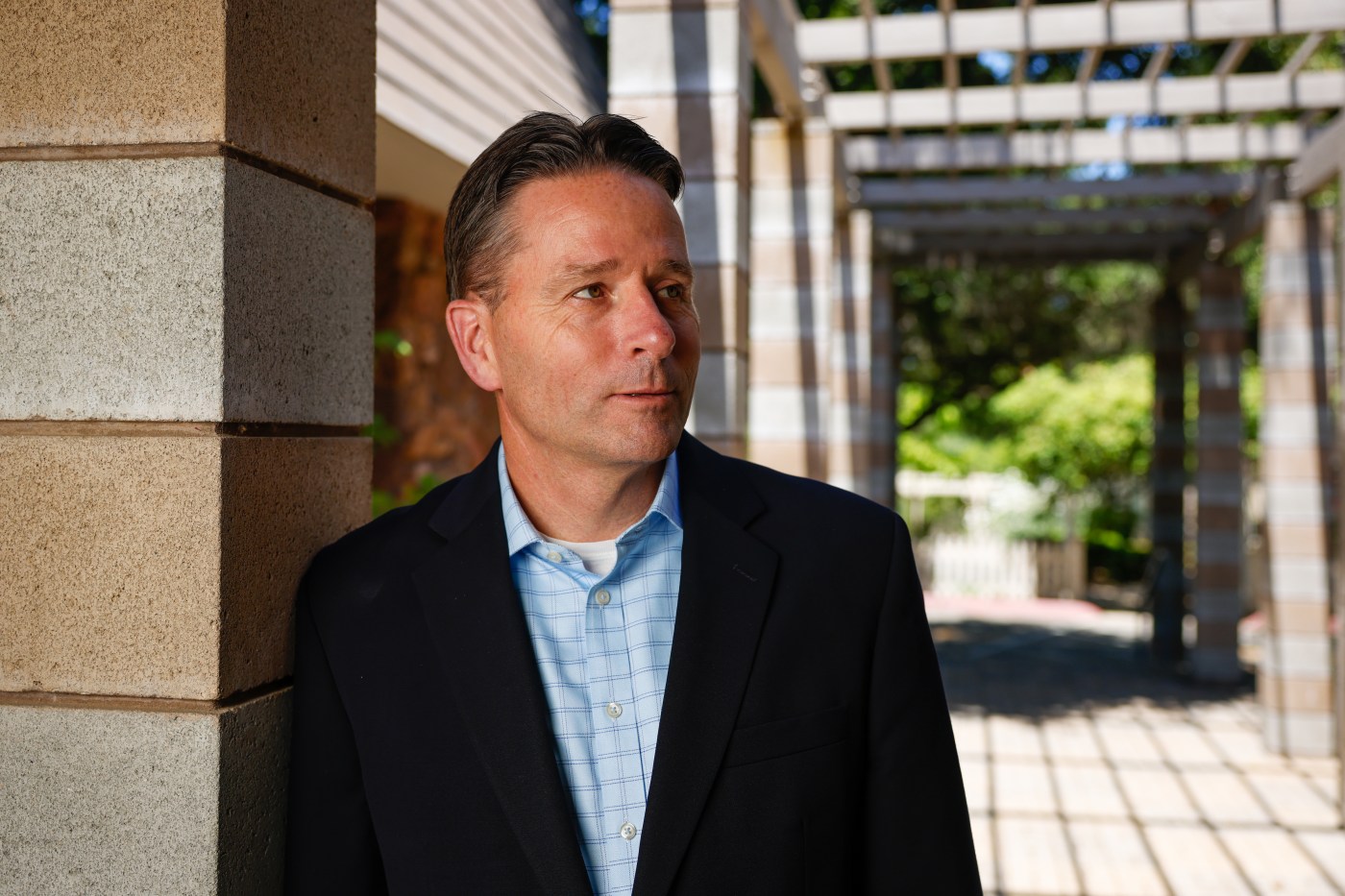
The Pentagon is under increasing scrutiny from lawmakers for its lack of engagement with Congress on key policy decisions. During a recent confirmation hearing, Alexander Velez-Green, a senior adviser to the undersecretary of war for policy, acknowledged that the department had not consulted with senators regarding the national defense strategy or the global force posture review. This admission has led to bipartisan criticism, particularly directed at Elbridge Colby, the undersecretary of war for policy.
Velez-Green’s comments came during his confirmation hearing for the position of deputy undersecretary of defense for policy. He stated, “Senator, I’m not aware that there has been formal consultations with Congress on the national defense strategy. I know we interact on a regular basis on issues related and policy that inform the internal discussions and development process.” This lack of formal communication has sparked frustration among senators, including Roger Wicker, who emphasized that such engagement is vital for effective governance.
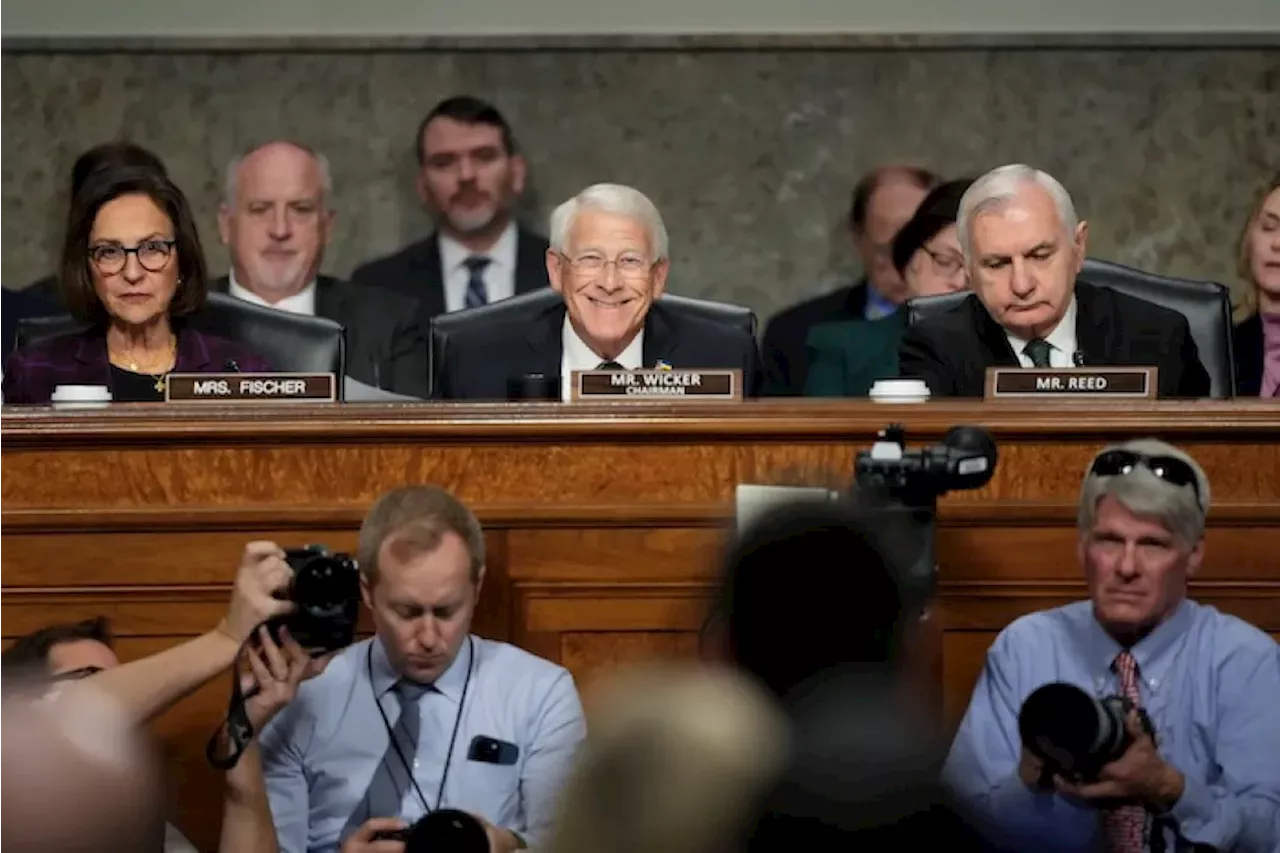
Wicker, chairman of the Senate Armed Services Committee, expressed his concerns, stating, “That’s really not the way it’s supposed to work.” He pointed out that members of the committee maintain regular contact with officials from the executive branch but have sensed a disconnect between the Pentagon’s policy office and the administration’s priorities. He elaborated on this issue, saying, “We talked to the Japanese, we talked to the Taiwanese, the Koreans, and the Baltic nations. In many of these conversations, we hear that the Pentagon policy office seems to be doing what it pleases without coordinating even inside the U.S. executive branch.”
Velez-Green did commit to improving communication should he be confirmed in his new role, which Wicker responded to by indicating that it would require a significant shift in mindset. The ongoing concerns over the Pentagon’s engagement were echoed by Senator Dan Sullivan, who described Colby as “the hardest guy to get a hold of in the Trump administration.” Sullivan acknowledged that while he had a constructive meeting with Colby regarding the Pentagon’s priorities, the overall lack of communication remains troubling.
Senators raised specific instances that appeared to highlight the Pentagon’s lack of alignment with the president’s agenda. For example, the recent decision to withdraw some troops during the Iran-Israel conflict in June raised eyebrows, as did the cancellation of a meeting among senior U.S. officials and their Japanese counterparts.
Additionally, during discussions about support for Ukraine, Velez-Green, alongside Austin Dahmer, who was also undergoing confirmation for assistant secretary of defense for strategy, plans, and capabilities, denied that the Pentagon had paused aid earlier in the year. Dahmer attributed the misunderstanding to misinformation, while senators referenced comments made by Sean Parnell, a top Pentagon spokesman, who had previously stated, “I can’t go into detail about what weapons were paused and when and what we’re providing and when.”
The ongoing dialogue surrounding these issues underscores a significant tension between the Pentagon and Congress. Lawmakers are increasingly calling for more transparency and communication as they seek to ensure that defense policies align with broader national interests. As this situation develops, the implications for U.S. defense strategy and international relations remain critical to monitor.