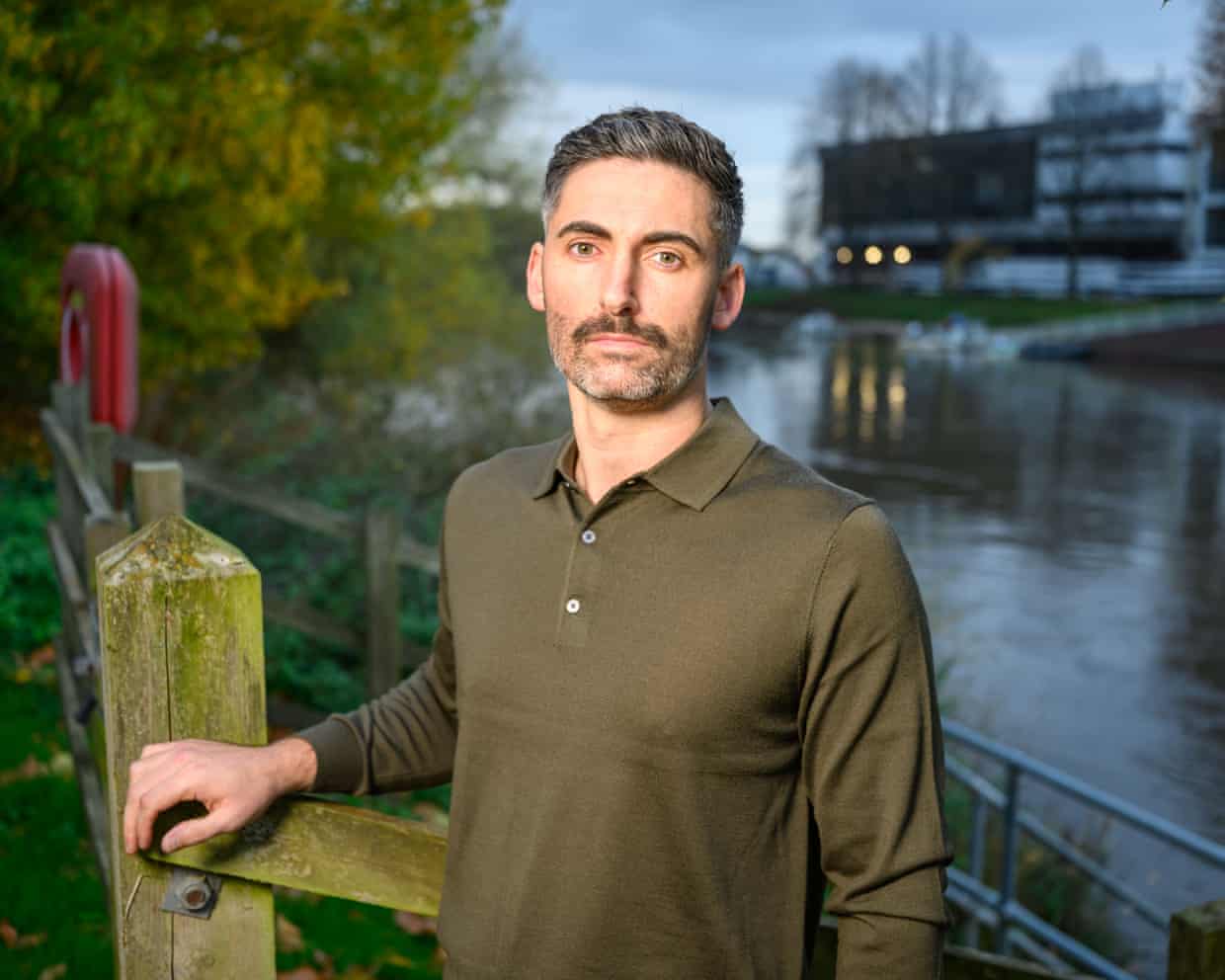
On January 1, 2022, Colin McGarva risked his life by jumping into a flooding river in Worcester to save an unconscious woman. Without hesitation, McGarva disregarded his own safety and the potential impact on his newborn son, demonstrating a powerful instinct to help others in distress. He stated, “I didn’t stop to think because the instinct – the instant reaction – is to help someone in need. Someone’s life is an important thing. Helping is just something you have to do.”
The notion of heroism gained renewed attention following a mass stabbing incident on a high-speed train between Doncaster and London, where initial reports highlighted chaos among passengers. Yet, stories of bravery soon emerged, particularly that of Samir Zitouni, an employee of LNER. After risking his own life to assist passengers, he was praised by police and the transport secretary, Heidi Alexander, for his “bravery beyond measure.” Alexander remarked, “There are people who are alive today who wouldn’t be … were it not for his actions.” Zitouni’s family echoed this sentiment, stating, “To us, he’s always been a hero.”
Understanding Bystander Behavior
Experts in bystander intervention assert that heroism is a common trait among individuals in emergency situations. According to Prof Stephen Reicher from the University of St Andrews, the idea that people panic and flee is largely a myth perpetuated by popular culture. He explained, “Characteristically, people stay and help each other.” Reicher pointed to previous incidents, such as the July 7, 2005 bombings in London and the 1999 Admiral Duncan pub attack, where individuals banded together despite the palpable risks.
Research conducted during the 2015 Leytonstone tube attack showcased remarkable coordination among bystanders. Some directed others away from danger, while others confronted the attacker, demonstrating that heroism often emerges from collective action rather than isolated individuals.
Prof Clifford Stott, a crowd psychology specialist at Keele University, reinforced this perspective, stating that the concept of “bystander apathy” is unfounded. He emphasized, “What modern research shows is that the public are very good at protecting themselves,” asserting that heroic actions reflect a natural tendency to respond positively in crises.
Fostering a Culture of Heroism
The implications of these findings are significant, particularly as society faces increasing challenges, including climate-related emergencies. Prof John Drury, a social psychologist at the University of Sussex, insists that authorities must recognize and support the natural inclination of people to unite and assist one another in emergencies. He advises first responders to use language that fosters community unity, emphasizing terms like “the community” instead of “the public.”
Dr. Gill Harrop, who leads the Bystander Intervention Programme at the University of Worcester, noted that various institutions are already taking steps to cultivate a culture of assistance. “We’re seeing this happening now with bystander intervention training in schools, colleges, universities, policing, and even the NHS,” she stated. This progressive approach aims to create communities filled with active bystanders, a movement that is both necessary and inspiring.
As society continues to face crises, understanding the innate propensity for heroism can empower individuals to act courageously. By fostering environments that encourage collective action, communities can enhance their resilience and readiness for the challenges ahead.