UPDATE: Paradise, California is experiencing a dramatic population surge as recovery efforts ramp up after the devastating Camp Fire of 2018. Colette Curtis, the town’s recovery and economic development director, revealed that the population has skyrocketed from just 4,060 in the 2020 U.S. Census to an estimated 11,088 as of January 2025, marking a staggering 40% recovery of its pre-fire numbers.
The town, which was once decimated, is now the fastest-growing city in California, boasting an impressive 11.04% population increase since 2020. This growth is fueled by a mix of returning residents and newcomers, with Curtis noting that this year, more people moving in are first-time residents.
Paradise is also seeing a demographic shift, with a younger population emerging. Schools are nearing 50% of their pre-fire enrollment, indicating a surge of families relocating to the area. “We’re definitely seeing younger families moving in,” Curtis stated, as the demand for educational infrastructure rises. Plans for a new elementary school are already underway to accommodate the growing student body.
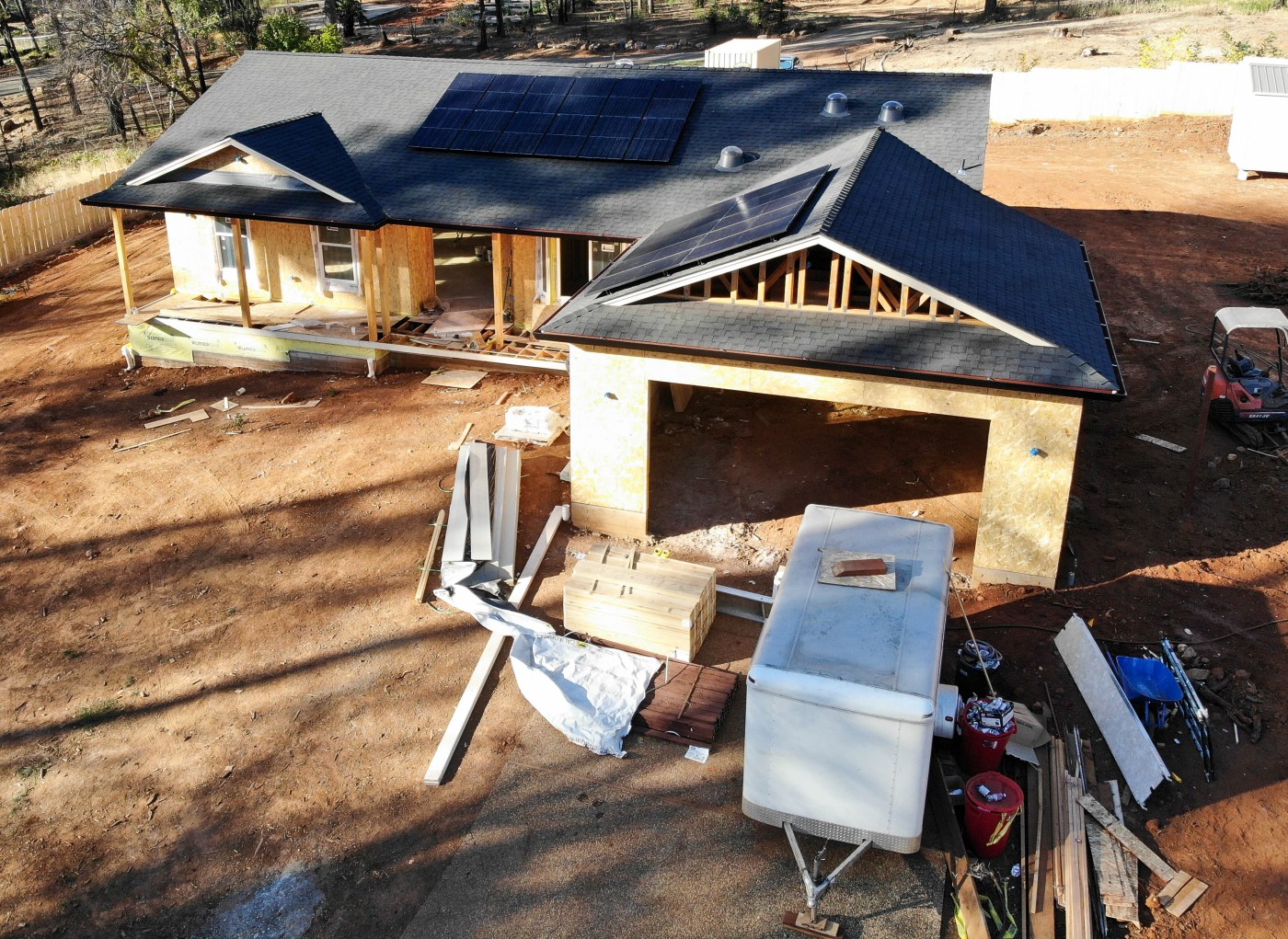
Housing is a major focus in Paradise’s recovery, with 3,634 applications for single-family homes since rebuilding began in early 2019. Currently, 2,968 certificates of occupancy have been issued, allowing families to move into their new homes. Curtis noted the ongoing challenges; despite a preference for traditional stick-built homes, the demand for manufactured homes has declined compared to pre-fire statistics.
The average home price has seen a steep climb, jumping from around $325,000 before the fire to an average of $454,000 recently. This price surge poses a significant barrier for many potential buyers struggling with insurance costs. Curtis explained, “The affordability and availability of insurance is really, really difficult,” with many residents relying on the state-run Fair Access to Insurance Requirements plan.
The landscape of employment in Paradise has also transformed. While the Adventist Health Feather River Hospital was once the largest employer, the town’s school district has taken the lead post-fire. Approximately 350 businesses have opened or reopened since the disaster, signifying a resilient local economy.
Infrastructure improvements are underway with federal funding for road repairs and the underground placement of utilities expected to be completed by the end of 2026. However, Curtis warned residents to brace for ongoing construction challenges, stating, “It’s a lot of construction, it’s a lot of roadwork, it’s a lot of detours.”
As Paradise continues to rebuild and grow, the community faces the dual challenge of rising housing prices and insurance struggles. Residents and officials remain hopeful for a brighter future as the town emerges from the ashes.
For those interested in the developments in Paradise, stay tuned for more updates as the situation evolves. This story reflects the resilience of a community committed to rebuilding and thriving in the aftermath of tragedy.