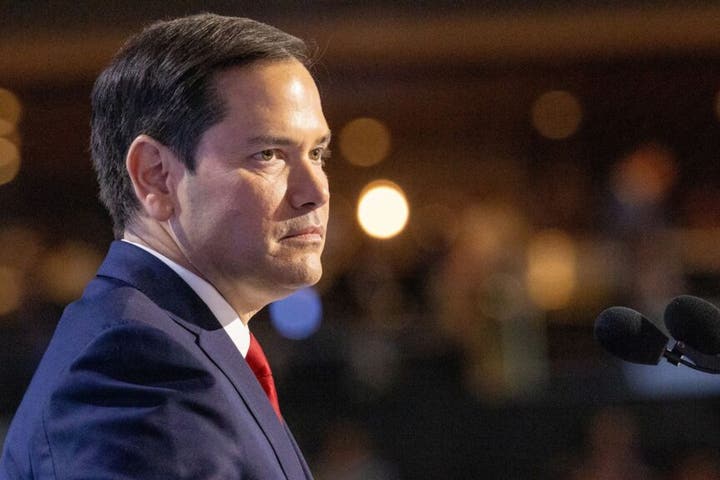
Following the recent terrorist attack near the Red Fort in Delhi, U.S. Secretary of State Marco Rubio announced on March 12, 2024, that the United States has offered to assist India in its investigation. This offer comes in the wake of a car explosion that resulted in at least nine fatalities. Reports indicate that Indian authorities declined the U.S. support, with Rubio acknowledging their competence in handling such investigations.
Rubio commended the Indian government’s response to the incident, stating that they have been “very measured, cautious and very professional.” He noted, “We have offered to help, but I think they are very capable of these investigations. They don’t need our help, and they are doing a good job.” His remarks reflect a recognition of India’s investigative capabilities in the face of violence.
Details of the Investigation
The offer for assistance was made during a meeting between Rubio and Indian External Affairs Minister S. Jaishankar at the G7 Foreign Ministers’ meeting held in Canada. Rubio characterized the car explosion as a “terrorist attack,” emphasizing the involvement of a vehicle laden with explosives. Following the incident, India formally classified the event as a “terrorist incident.”
This explosion occurred shortly after Indian authorities intercepted nearly 3,000 kilograms of explosives and apprehended suspects linked to the Pakistan-based terrorist group Jaish-e-Mohammed. The swift actions of the Indian security forces have been viewed as critical in addressing the imminent threats posed by such extremist groups.
International Context
The incident and subsequent U.S. offer highlight the ongoing challenges of terrorism in the region and the importance of international cooperation in countering such threats. As security concerns continue to rise, the response from both the U.S. and Indian governments will be closely monitored by global observers.
The tragic loss of life from the Red Fort attack underscores the need for vigilance and robust security measures. With India managing the investigation independently, the focus will now shift to the outcomes of the inquiry and the measures that will be implemented to prevent future attacks.
This incident serves as a stark reminder of the complex security landscape that nations face today and the importance of maintaining strong investigative and intelligence capabilities.
In the wake of this event, it remains crucial for international partners to engage in constructive dialogue on terrorism and security, ensuring that effective strategies are in place to combat extremist threats globally.