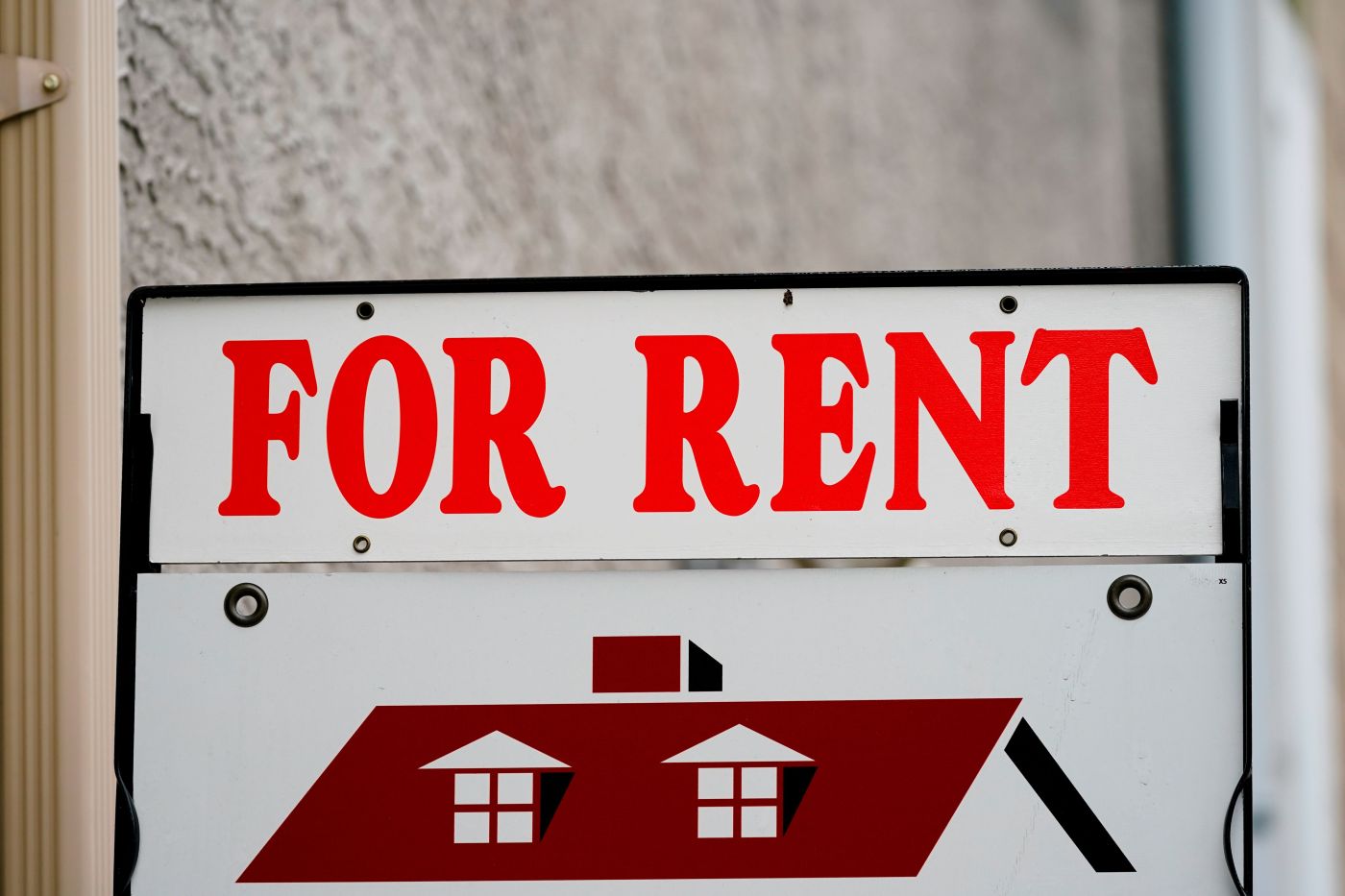
A statewide initiative in Massachusetts aiming to limit annual rent increases to a maximum of 5% has achieved a significant milestone by gathering enough signatures for the 2026 ballot. The campaign, spearheaded by Homes for All Massachusetts, has reportedly collected over 124,000 signatures, far exceeding the 74,574 required by state law. This initiative, known as “An Initiative Petition to Protect Tenants by Limiting Rent Increases,” seeks to address the growing housing affordability crisis in the state.
Organizers assert that the initiative reflects a widespread demand for affordable housing solutions. “Over the past few months, thousands of renters and homeowners across the state stood outside grocery stores and shopping malls, spoke to neighbors at soccer games and school drop-offs, and organized their communities to sign for rent control,” said Rose Webster-Smith, Director of Springfield No One Leaves. She emphasized the belief that “everyone in Massachusetts should be able to afford a place to call home.”
The proposed measure would cap rent increases at the rate of inflation, with a maximum increase of 5% annually. For instance, an apartment currently renting for $2,000 would see an increase of no more than $100 per year under the initiative. Campaign volunteer Sandra Ramgeet highlighted the dire consequences of rising rents, stating, “No one should be homeless because their landlord doubled their rent overnight, and everyone deserves a place to call home.”
Opponents of the initiative, including representatives from the Greater Boston Real Estate Board (GBREB) and the Massachusetts Association of Realtors (MAR), have expressed serious concerns. They describe the proposed rent control as “the most restrictive rent control program” in the country and warn of its potential economic repercussions. “The risks of this ballot question for our economy cannot be overstated,” said a joint statement from GBREB, MAR, and NAIOP Massachusetts. They argue that the initiative could exacerbate the housing crisis and reduce the availability of quality rental homes.
In response to the initiative’s momentum, Massachusetts Governor Maura Healey remarked that she believes rent control should be addressed at the local level. “My position on rent control has been and really is that it is appropriately a local issue. It’s up to each city and town to decide,” she stated during an event at the state house. Healey acknowledged the challenges posed by high housing costs and noted her commitment to increasing housing availability.
The initiative also proposes that the rent increase limit would apply to new tenants, restricting landlords from raising rents beyond the 5% cap between leases. Organizers assert that this approach aims to support small landlords while protecting tenants, as owner-occupied buildings with four or fewer units would be exempt from the cap.
Opponents of the initiative have been vocal about their concerns, claiming that the real estate industry’s pushback is driven by a desire to spread misinformation. Noemi “Mimi” Ramos, Executive Director of the New England Community Project, countered these claims, stating, “We know that corporate real estate lobbyists will say anything to protect their ability to double rents overnight.”
Once the signatures are submitted to the Secretary of State’s Office, the initiative will be forwarded to the Legislature. Lawmakers will have until May 2026 to take action. Should they decide not to act, an additional 12,429 signatures will need to be collected and submitted by July 1, 2026 to ensure the initiative remains viable.
As the debate continues, the outcome of this initiative could have profound implications for the future of housing affordability in Massachusetts, reflecting broader trends in rental markets across the country.