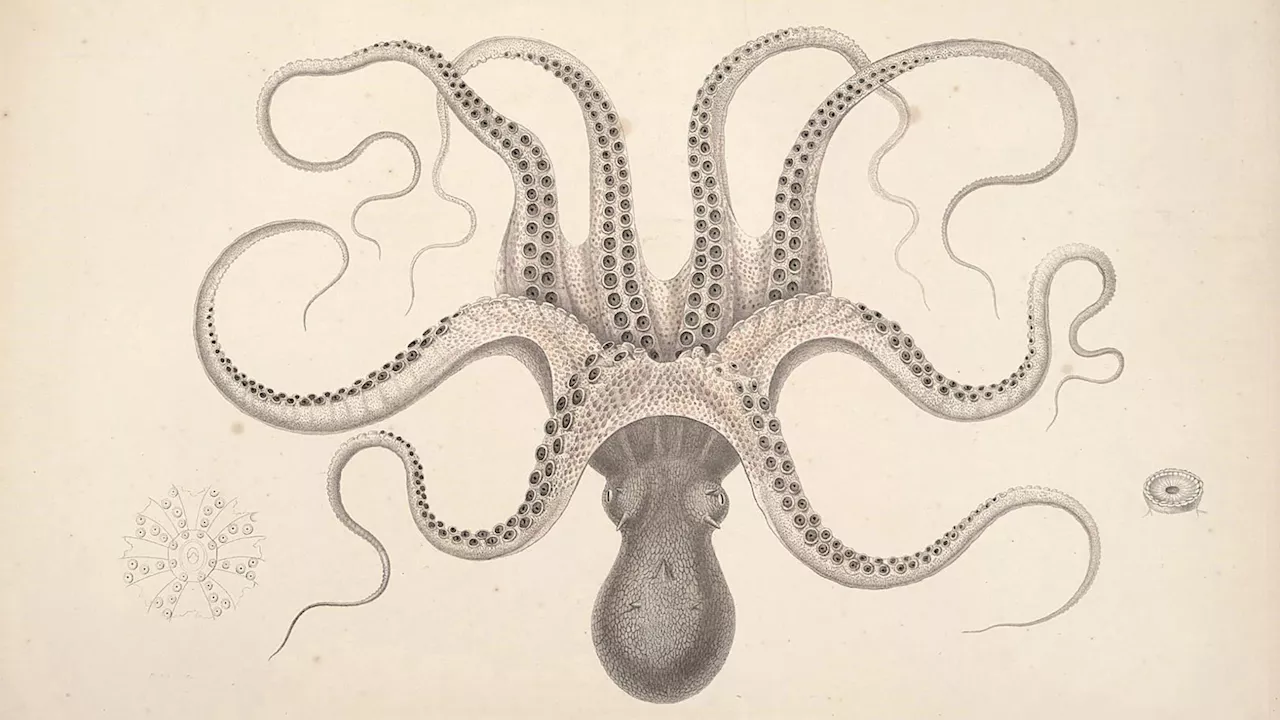
In a rapidly evolving business landscape, many organizations struggle to adapt. Despite significant investments—amounting to trillions of dollars—over the past two decades, only 12% of transformation efforts yield sustainable performance gains. This inefficiency has prompted a rethinking of corporate structures, leading to the emergence of the Octopus Organization model, which emphasizes adaptability, curiosity, and intelligence.
The Challenge of Traditional Structures
Most companies today operate under an outdated paradigm likened to the Tin Man from The Wizard of Oz. These Tin Man Organizations are characterized by rigidity and a focus on predictable outcomes, which were effective during the era of mass production. However, the complexities of modern markets require a shift towards a more dynamic and responsive approach.
These traditional models, which prioritize standardization and control, often lead to stagnation, leaving companies ill-equipped to navigate a world where customer relationships and employee engagement are paramount. The primary challenge is clear: businesses must transition from these rigid frameworks to more fluid structures that can thrive amidst uncertainty.
What is the Octopus Organization?
The concept of the Octopus Organization draws inspiration from the sea creature’s remarkable adaptability. Unlike traditional organizations, which rely on top-down directives, Octopus Orgs foster distributed intelligence, enabling teams to respond swiftly to market changes. Employees in these organizations are empowered to innovate and solve customer problems, fostering a culture of ownership and creativity.
In contrast to typical meetings dominated by presentations and fixed agendas, the Octopus model encourages open dialogue and collaborative problem-solving. This environment allows diverse voices—from frontline workers to executives—to contribute actively, leading to better outcomes and increased employee engagement. Research indicates that customer-focused companies are over three times more likely to lead in revenue growth and achieve a profitability premium of approximately 23% compared to their peers.
Moreover, Octopus Orgs view innovation as a collective responsibility rather than a departmental task. By decentralizing the innovation process, these organizations empower teams to experiment and adapt based on real-time customer feedback, ensuring that solutions are closely aligned with market needs.
Implementing the Shift
Transitioning to an Octopus Organization involves more than adopting new strategies; it requires a fundamental shift in mindset. Leaders must prioritize clarity, ownership, and curiosity within their teams. This transformation can be guided by three principles:
- Engage People, Not Just Processes: Involve employees in identifying challenges and brainstorming solutions.
- Integrate Learning with Impact: Embed experimentation into daily operations to foster continuous improvement.
- Simplify Processes: Focus on eliminating unnecessary steps and bureaucracy to enhance efficiency.
For instance, one organization eliminated PowerPoint presentations in strategy meetings for six months, encouraging clearer communication and more meaningful discussions. Such small changes can lead to significant improvements in engagement and productivity.
Identifying and addressing antipatterns—common behaviors that hinder progress—also plays a crucial role in this transformation. These include maintaining vague mission statements, micromanaging employees, and stifling curiosity. By addressing these issues, organizations can unlock the potential of their workforce and foster a culture of innovation.
As companies explore the Octopus model, they must remain patient and adaptable. The journey may involve coexistence between traditional and modern practices, but the potential rewards—enhanced adaptability and resilience—are worth the effort.
In conclusion, the Octopus Organization model offers a compelling framework for businesses seeking to thrive in a complex world. By embracing adaptability, fostering a culture of curiosity, and empowering employees, organizations can not only survive but flourish in today’s dynamic marketplace.
This article is adapted from the forthcoming book The Octopus Organization: A Guide to Thriving in a World of Continuous Transformation by Jana Werner and Phil Le-Brun.