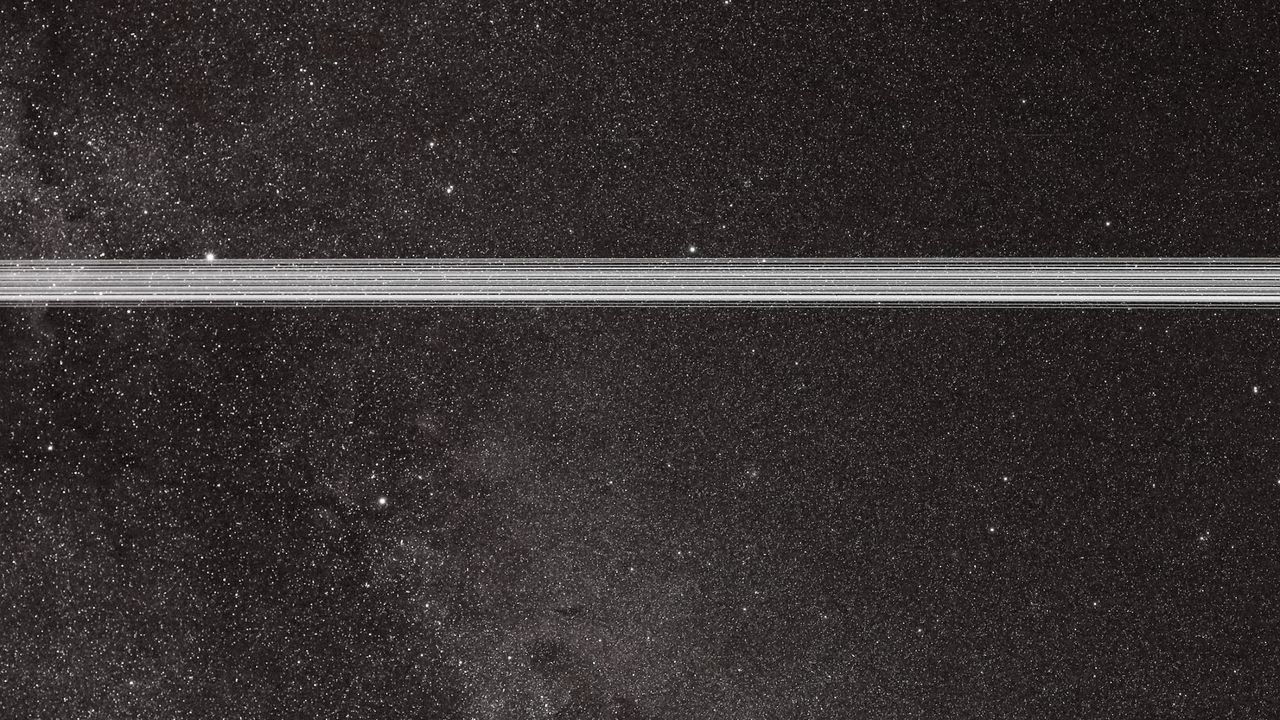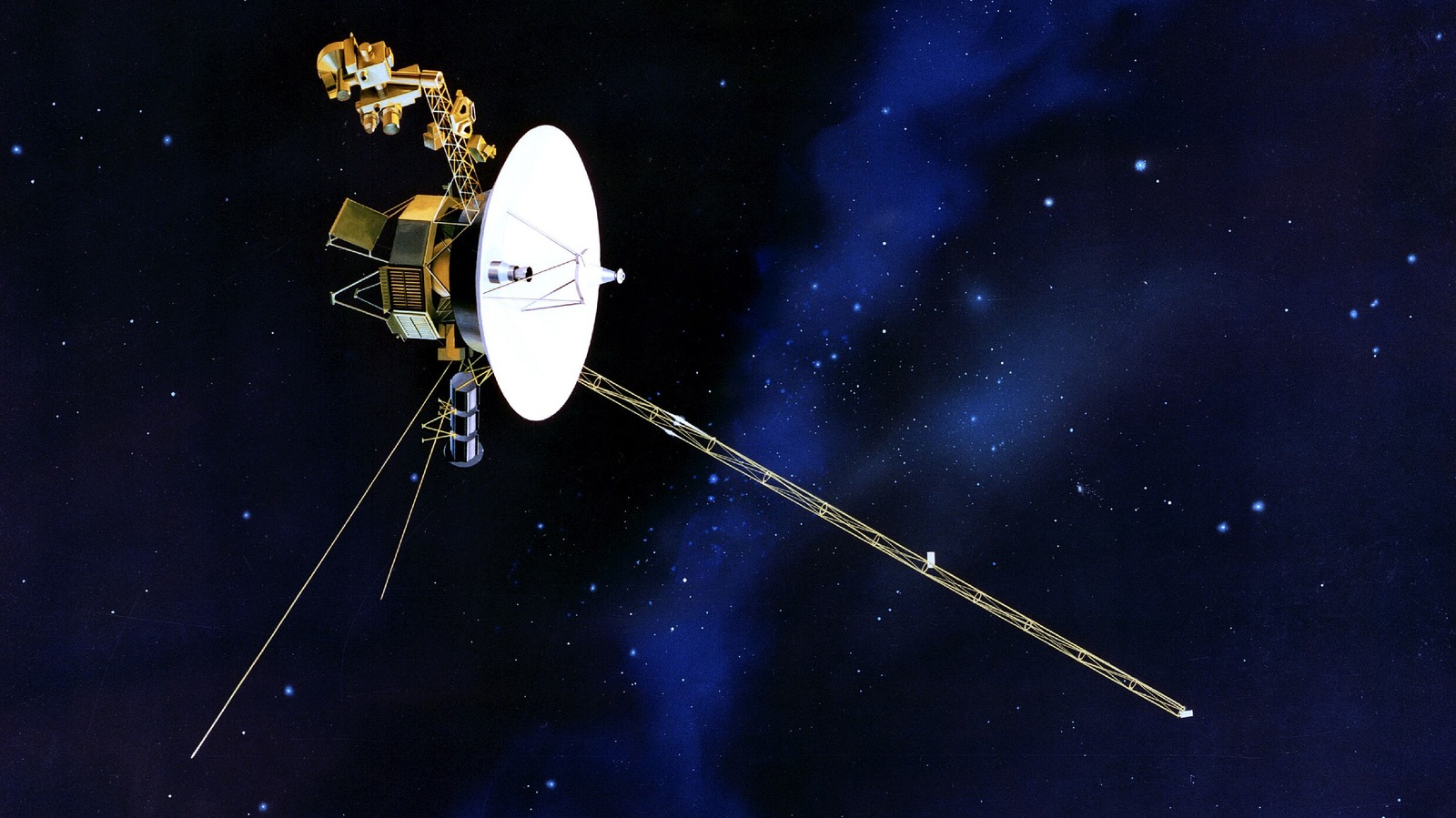
NASA’s Voyager 1 has reached a significant milestone in its journey beyond the solar system, encountering a “wall of fire” at the edge of our solar environment. As of this month, Voyager 1 is set to be a light-day away from Earth, having traveled over 12 billion miles since its launch in 1977. The spacecraft hurtles away from the Sun at a speed of 38,000 miles per hour, gathering invaluable data about the boundaries of our solar system.
Originally designed to study the outer planets, the Voyager missions have evolved into explorations of interstellar space. NASA has faced numerous challenges in maintaining the aging spacecraft, including reviving dormant systems that have been inactive for over four decades. Despite these hurdles, both Voyager 1 and its twin, Voyager 2, continue their quest to enhance our understanding of the cosmos.
The Nature of the Heliopause
The “wall of fire” encountered by Voyager 1 refers to a region where temperatures soar to an astonishing 90,000 degrees Fahrenheit. This phenomenon occurs at the heliopause, the boundary separating our solar system from interstellar space. The heliosphere, a protective bubble formed by solar wind—composed of protons and electrons emitted from the Sun—defines this boundary. Inside the heliosphere lies our solar system, while the external region is filled with the interstellar medium, consisting of gas, dust, and charged particles from other stars.
Scientists have long theorized the existence of the heliopause, but definitive evidence came only when Voyager 1 crossed this threshold in 2012. Its twin, Voyager 2, followed suit in 2018. This discovery confirmed that the heliosphere does not have a uniform shape. Rather, it resembles a teardrop due to the Sun’s movement through space, creating a bow shock similar to the wake left by a boat or an aircraft.
Understanding the Heat at the Edge
Both Voyager spacecraft have recorded temperature variations ranging from 54,000 to 90,000 degrees as they approached the heliopause. While these readings indicate extreme heat, the data also suggests that the environment cools significantly once the spacecraft fully enter interstellar space. The contrasting temperatures highlight the dynamic nature of the heliosphere and its boundaries.
The arrival times of Voyager 1 and Voyager 2 at the heliopause have provided further insights into solar activity and the heliosphere’s structure. Based on the Sun’s magnetic influence, scientists believe the solar system’s boundaries are defined by the extent of this influence rather than a fixed distance from the Sun.
The findings from the Voyager missions continue to shape our understanding of the solar system and its interaction with the wider universe. As they venture deeper into interstellar space, these spacecraft remain vital ambassadors for humanity, offering glimpses into the unknown regions of the cosmos.