
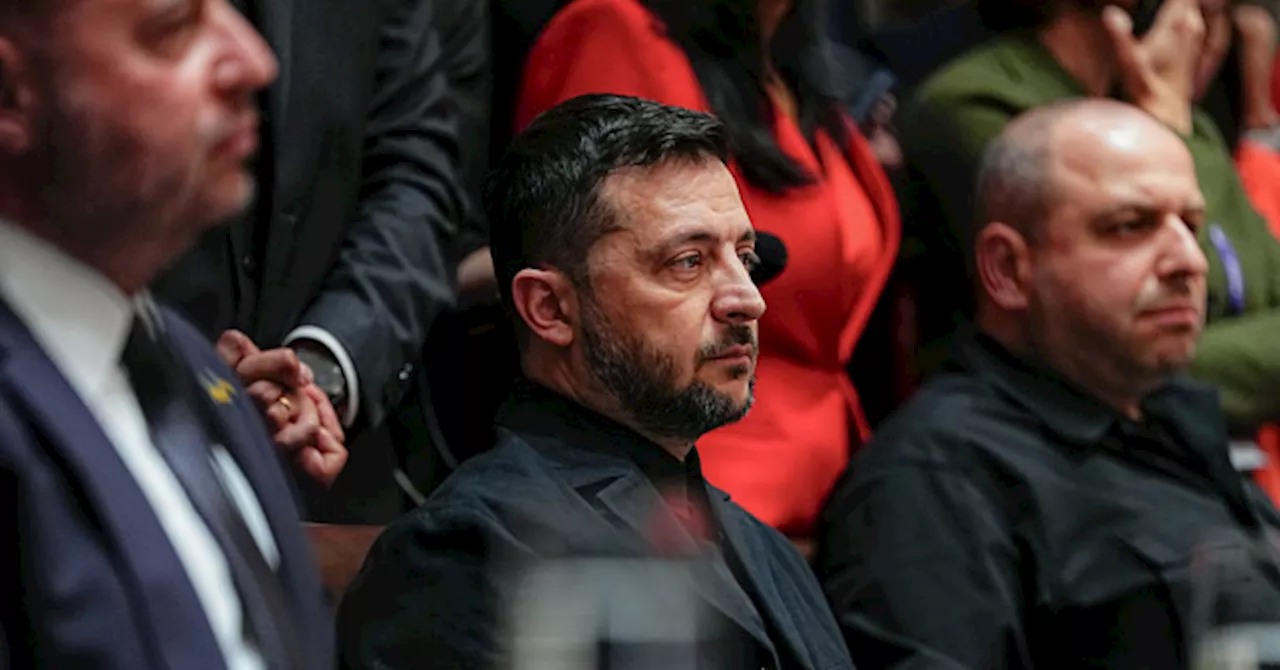
Ukrainian President Volodymyr Zelensky has firmly rejected a proposed peace plan from the United States, raising significant concerns about its potential legal recognition of territories occupied by Russia during the ongoing conflict. Zelensky articulated that accepting such terms would undermine Ukraine’s sovereignty and territorial integrity, emphasizing the broader implications for international law and order.
During a press briefing, Zelensky highlighted his “main problem” with the 28-point peace plan, which he believes would grant legal acknowledgment to land seized by Russia since the invasion began in 2022. He stated, “Putin wants legal recognition of what he has stolen, to break the principle of territorial integrity and sovereignty. That’s the main problem. You all understand what that means.” The President cautioned that allowing this precedent could embolden aggressors globally.
Discussions regarding the plan are ongoing between Ukraine and its allies, particularly the United States and European partners. Zelensky noted that Ukrainian negotiators are actively working to address sensitive issues, including the use of frozen Russian assets for Ukrainian reconstruction. He expressed satisfaction with the current state of negotiations, which have seen high-level engagement, including visits from key American officials.
According to Marco Rubio, a senior U.S. senator involved in the discussions, there has been intensive dialogue over the past few days among various stakeholders in Ukraine. Rubio mentioned that “there’s not agreement on those yet,” indicating that several critical points remain unresolved. He pointed out that some disagreements stem from semantics and language, while others necessitate higher-level decisions and further consultation.
The roles of the European Union and NATO in providing security guarantees for Ukraine are also under examination. Rubio underscored the importance of ensuring that Ukraine feels secure and is not at risk of future invasions. He stated, “getting a final end to this war will require for Ukraine to feel as if it is safe, and it is never going to be invaded or attacked again.”
The ongoing negotiations are taking place against a backdrop of continued Russian military action in Ukraine. While the peace talks have yet to include direct Russian involvement, the objective is to finalize a revised version of the plan before presenting it to Russian officials. The peace plan has been condensed from its original 26 points to 19 points as discussions evolve.
In a related commentary, Russian spokesperson Dmitry Peskov stated that no meetings between U.S. and Russian officials are scheduled for the upcoming week. He mentioned that President Vladimir Putin remains open to discussions, but it is unclear when formal negotiations with Ukraine could resume.
Zelensky’s concerns about the U.S. proposal reflect a broader apprehension within Ukraine regarding the potential implications of recognizing Russian territorial gains. The ongoing dialogue aims to navigate these sensitive issues while addressing the urgent needs for security and stability in the region. As negotiations progress, the international community remains watchful for developments that could impact the long-term peace and security in Ukraine and beyond.


