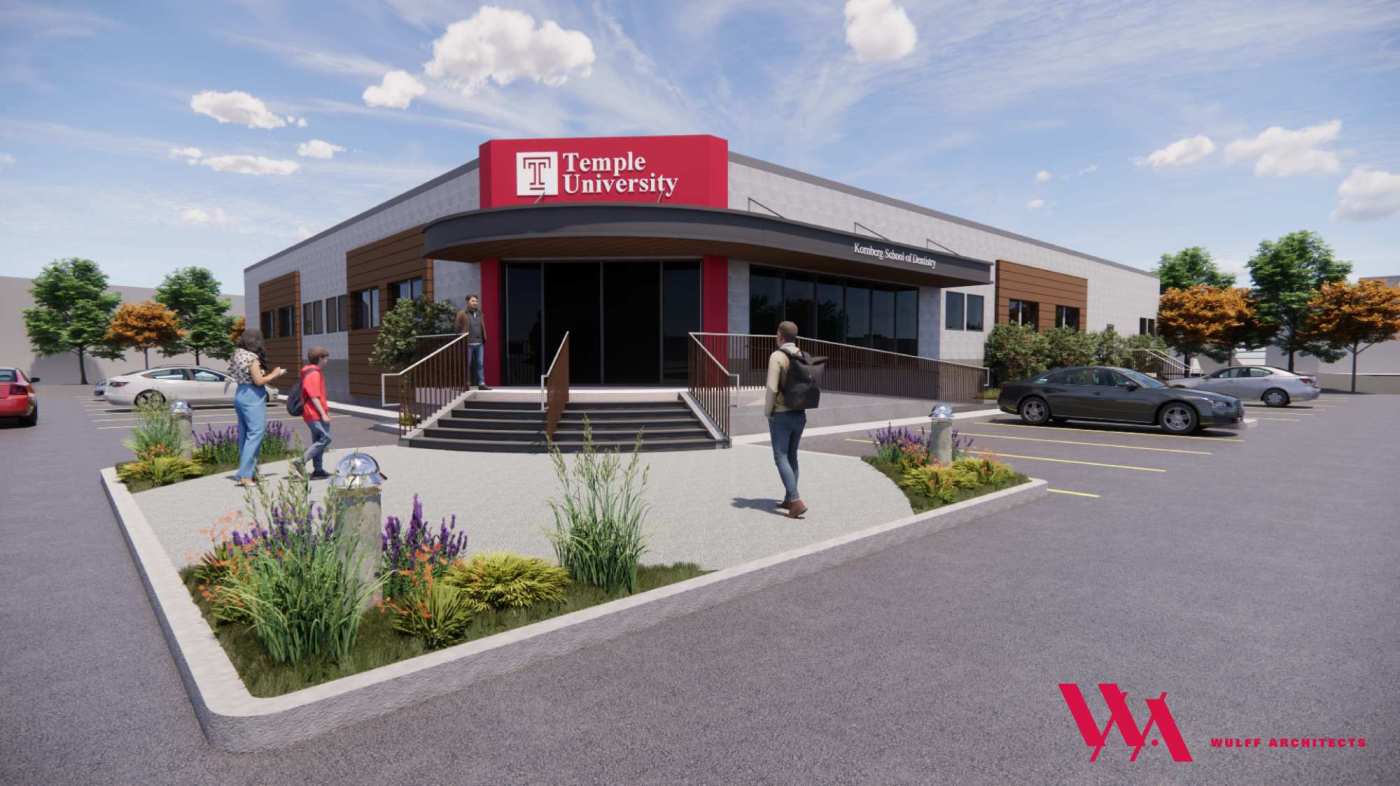
Temple University has received a significant boost for its upcoming dental school and clinic in Tamaqua, Pennsylvania, with the announcement of $2 million in federal funding. This financial support is essential for the establishment of the Temple University Tamaqua Dental Clinic and Education Center, which is set to open in 2026.
Located in the former Rite Aid building on Center Street, the clinic aims to welcome its first cohort of dental students by the fall semester of next year. The facility will accommodate up to 20 dental students who will undergo clinical training while providing dental care to underserved communities in Schuylkill and surrounding counties. This initiative is positioned to be the first rural dental education center and clinic in Pennsylvania, addressing a pressing shortage of dental professionals in rural areas.
Residents in the Tamaqua area currently face challenges accessing dental care, as many local dentists are not accepting new patients. This situation often forces individuals to travel long distances for basic services. Micah Gursky, executive director of the Tamaqua Area Community Partnership, emphasized the project’s necessity, noting that his organization applied for the federal funding two years ago in collaboration with Temple.
Dr. Amid Ismail, dean of Temple’s Kornberg School of Dentistry, expressed optimism about the project’s impact. He stated, “The new education center and clinic will test a new model of addressing access to dental care in rural Pennsylvania.” Students will live in free, fully-furnished apartments during their training, fostering a deeper understanding of the community’s needs and encouraging them to practice in underserved areas.
The clinic will feature 24 treatment chairs dedicated to serving Medicaid-eligible patients and low-income individuals earning below 200 percent of the poverty line. The facility plans to charge low fees for procedures not covered by the Pennsylvania Medicaid Assistance program. Initially, the center will employ at least 10 students, four faculty dentists, and several part-time specialists, with plans to expand to 20 students by 2027.
In addition to basic dental care, the clinic will offer a range of services, including oral surgery, root canal therapy, prosthodontics, implants, restorations, and orthodontics. Dr. Ismail highlighted the importance of this model, stating, “It acknowledges rural Pennsylvania’s reality rather than papering over it with ineffective fixes.” He also noted that the initiative could create jobs in a rural area and provide a beautiful living environment for dental graduates.
The federal funding was part of the agricultural appropriations legislation signed into law in mid-November. Gursky credited the support from federal and state legislators representing Schuylkill County, particularly Congressman Dan Meuser, for securing the funding, along with State Senator Dave Argall and State Representative Jamie Barton for their efforts in obtaining state funding. Both Argall and Barton lauded the project as a significant advancement for rural healthcare.
Barton remarked, “Pennsylvania is in desperate need of dentists and dental hygienists in our rural counties.” Argall added, “When we held a Senate hearing in Tamaqua, we heard heartbreaking testimony about families driving hours just to find basic dental care.”
Statistics reflect the disparity in dental care availability: for every 15 dentists in urban Pennsylvania, there is only one in rural regions. Helen Hawkey, executive director of the Pennsylvania Coalition for Oral Health, noted that the state needs 2,000 dentists, 7,000 dental hygienists, and 10,000 expanded function dental assistants to ensure regular dental care for all residents.
Hawkey explained the long-term implications of inadequate dental care, emphasizing that lack of regular checkups often leads to dental emergencies requiring immediate attention. She is hopeful that the Tamaqua dental school will not only provide immediate services but also cultivate dental professionals who remain in the community or return to serve other rural areas.
Gursky expressed his belief in the transformative potential of the school for the Tamaqua area, stating, “It’s a different mindset. I think this changes how we think of ourselves.” He described the initiative as innovative, highlighting its importance in addressing the significant healthcare needs of the community.